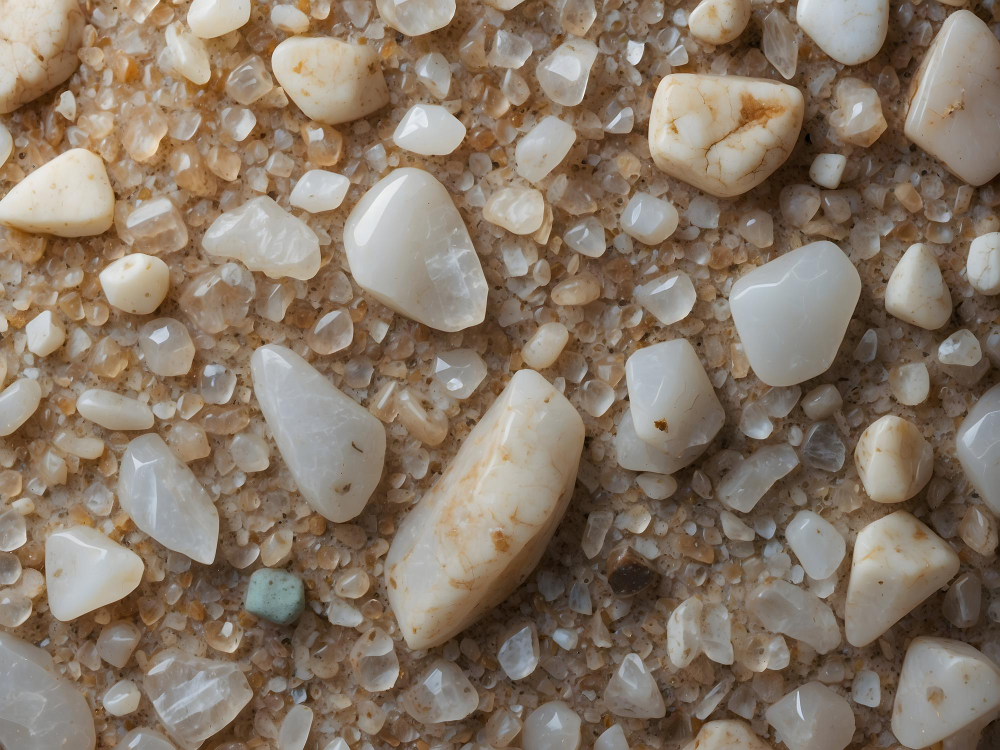
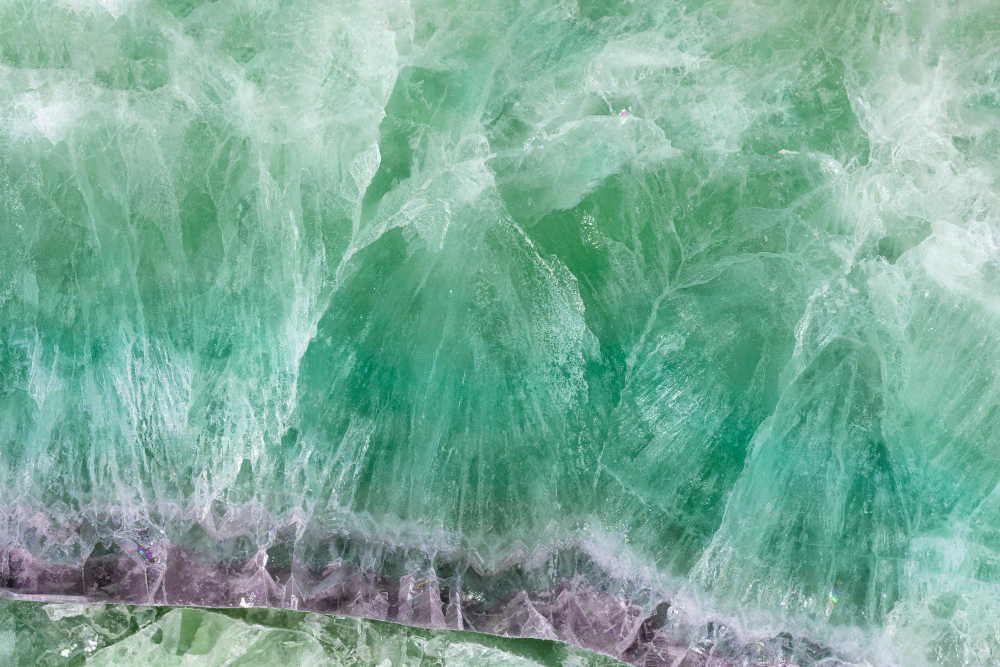
Sphalerite is a zinc sulfide mineral that plays a central role in the global supply of zinc. It crystallizes in the isometric system and often develops well-formed tetrahedral or dodecahedral crystals, although massive and granular habits occur more frequently in nature. The mineral shows a wide spectrum of colors, from honey yellow to deep brown and even jet black, depending on its iron content. Transparent crystals display a remarkable adamantine to resinous luster, which can rival the brilliance of high-quality gemstones. When cut and polished, gem-grade specimens reveal a fire that is unusually strong for a non-silicate mineral, the result of sphalerite’s high dispersion values.
Geological formation of sphalerite in natural environments
This mineral usually develops in hydrothermal vein systems, often in association with galena, pyrite and chalcopyrite. Its occurrence in carbonate-hosted deposits is especially common, where mineralizing fluids interact with limestone or dolostone to precipitate sulfide ores. Such deposits have been mined extensively in Spain, Germany, the United States and Mexico, shaping sphalerite’s reputation as the world’s most significant zinc ore. The mineral forms under a wide range of temperatures, and the degree of iron substitution within its crystal lattice strongly influences its physical properties, including both density and refractive behavior.
Industrial and gemological importance of sphalerite
From an economic perspective, sphalerite is the primary source of zinc, a metal vital for galvanization, brass production, and the manufacture of batteries and alloys. Zinc derived from sphalerite also contributes to medicine, nutrition and corrosion resistance technologies, which underscores the mineral’s relevance far beyond the mining industry. Beyond its industrial importance, sphalerite also attracts attention in the gem trade. Transparent crystals cut into faceted stones exhibit exceptional brilliance, yet due to their relatively low hardness and perfect cleavage they remain more suitable for collectors rather than daily wear in jewelry.
Distinctive features that define sphalerite
Experts recognize sphalerite by its unique combination of traits. The streak of the mineral is always light brown to pale yellow, even in darker specimens, which allows for reliable field identification. Its luster and dispersion exceed those of most common minerals, producing striking visual effects when crystals are exposed to light. The ability of sphalerite to occur in a variety of geological settings, combined with its economic significance and gemological appeal, makes it a mineral of enduring interest to both scientists and collectors.