Rare Earth Element
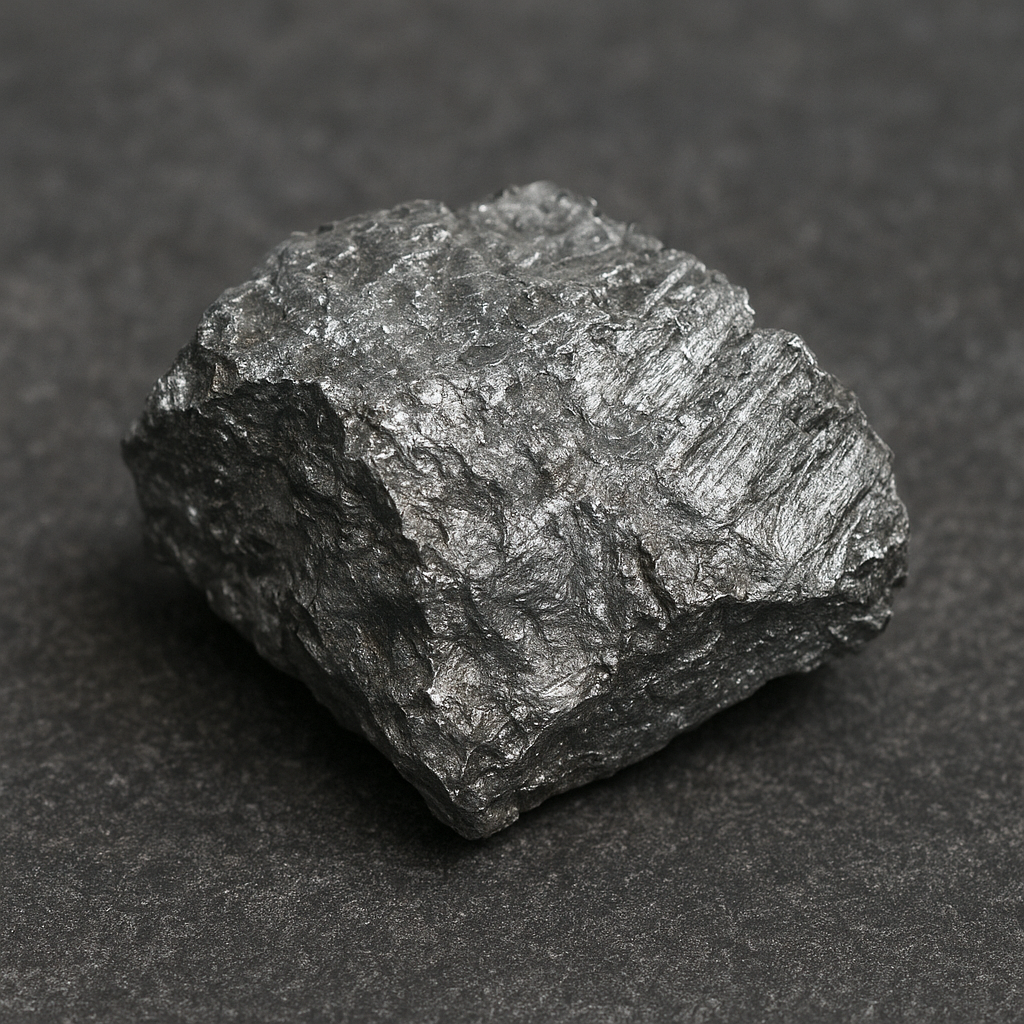
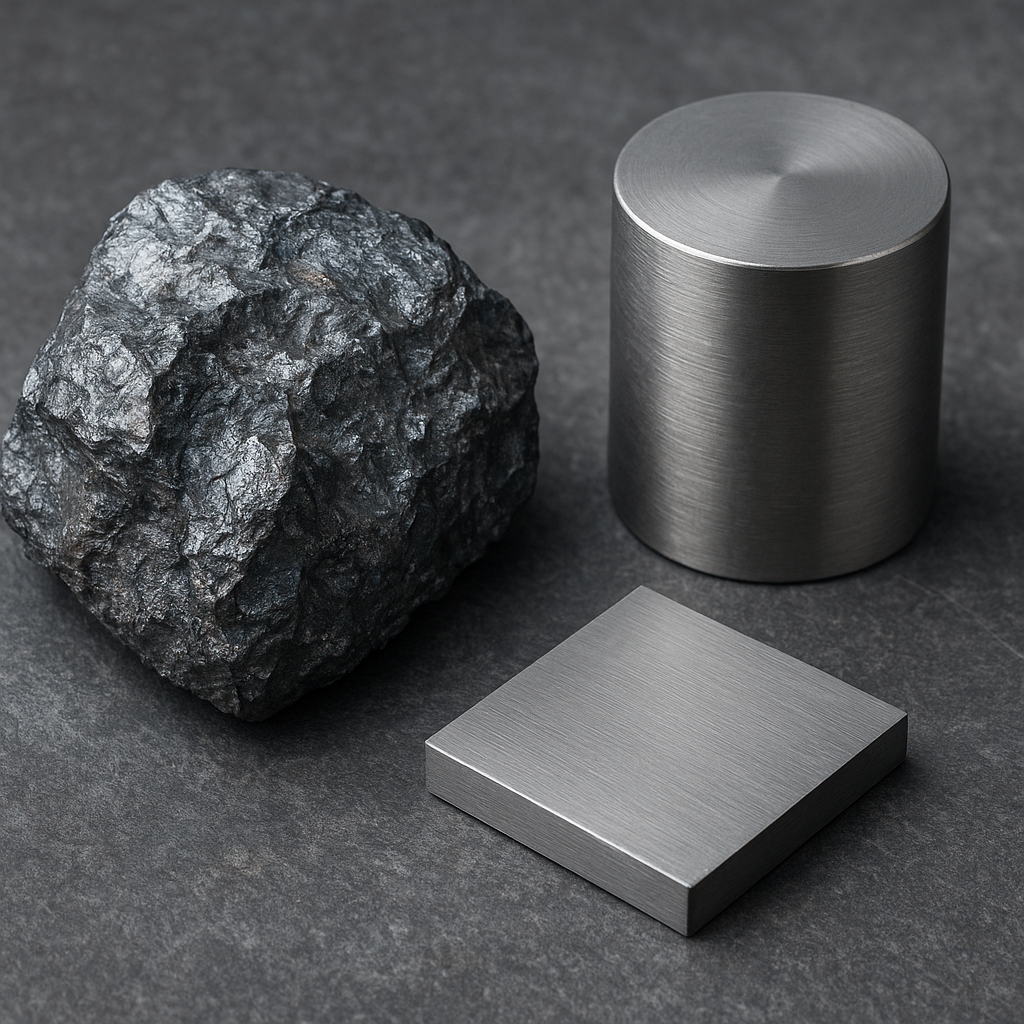
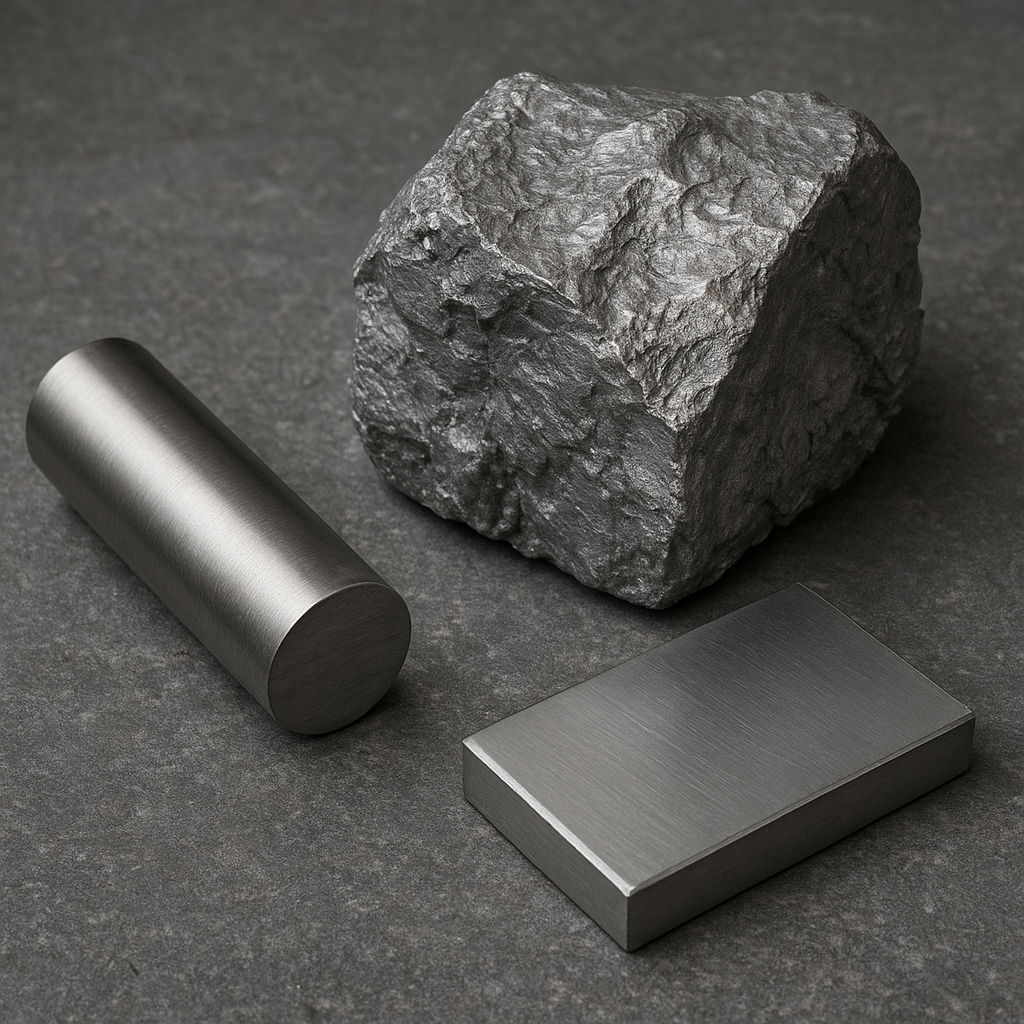
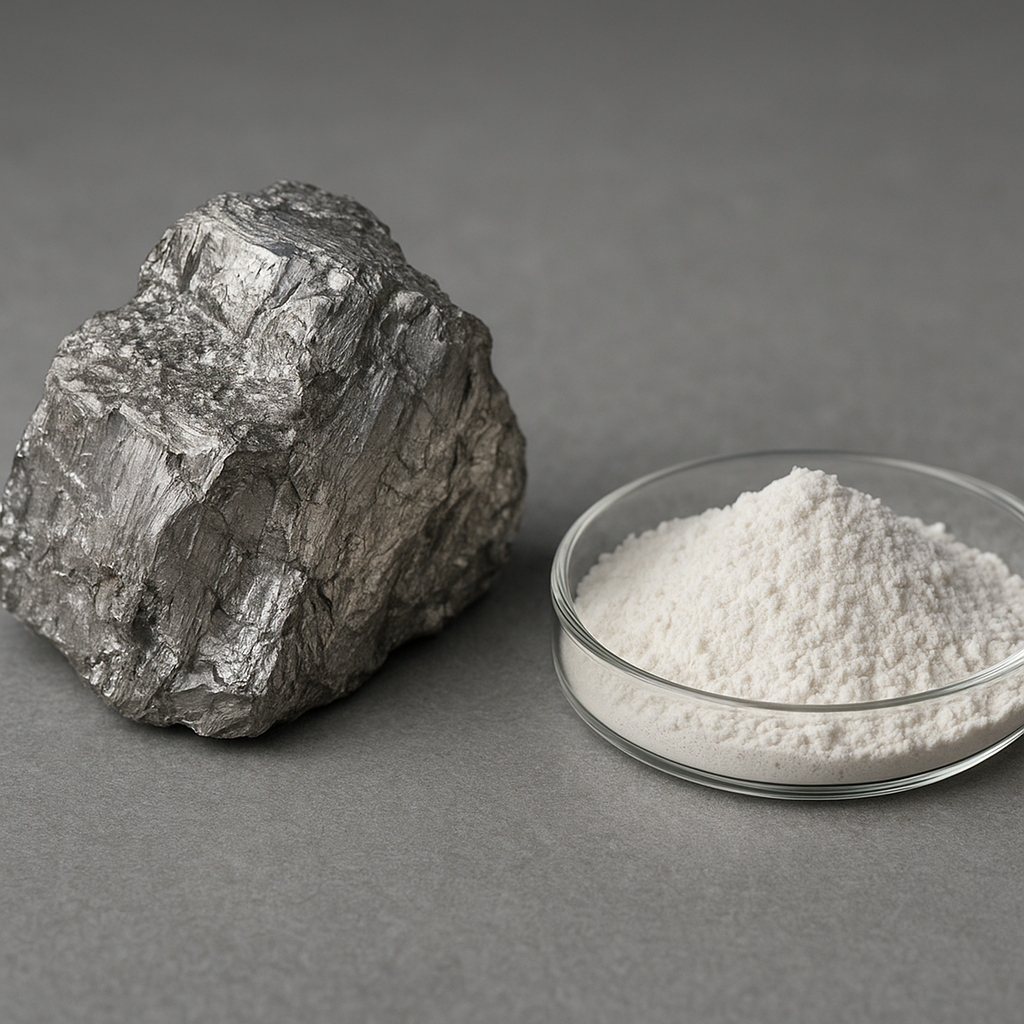
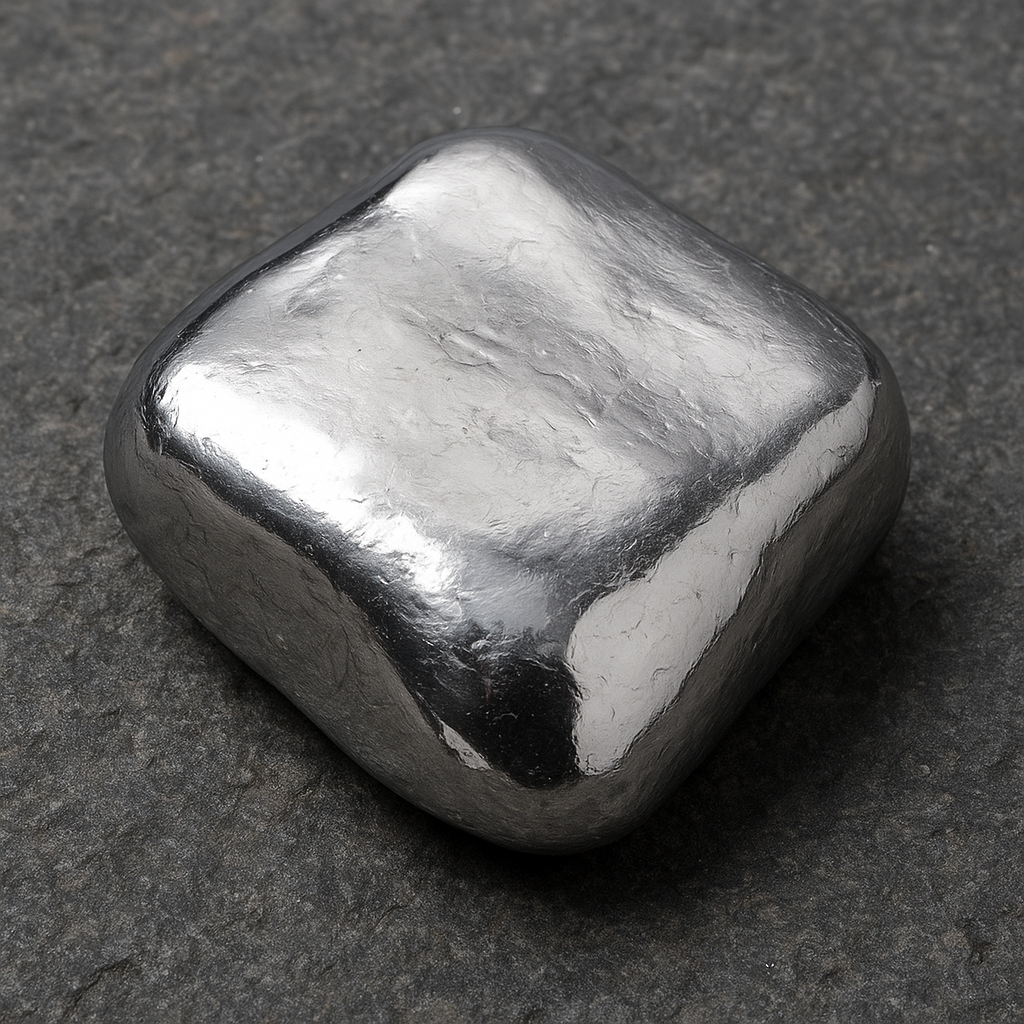
Rare earth elements (REEs) are a group of seventeen chemical elements in the periodic table, specifically the fifteen lanthanides, plus scandium and yttrium. Scandium and yttrium are considered rare earth elements because they tend to occur in the same ore deposits as the lanthanides and exhibit similar chemical properties. Despite their name, most rare earth elements are not particularly rare in the Earth’s crust; however, they are rarely found in concentrated forms, which makes their extraction economically challenging.
The lanthanides are metals that are similar in their properties, including their shininess and reactivity. These elements are key components in a wide range of technological applications due to their unique magnetic, luminescent, and electrochemical properties. They play crucial roles in the manufacture of modern technologies such as smartphones, computers, wind turbines, electric vehicles, and various defense systems. Specific uses include powerful permanent magnets, phosphors in color television and computer screens, catalysts in automotive catalytic converters, and components in rechargeable batteries.
The extraction, refinement, and processing of rare earth elements can be environmentally challenging and technically complex, which has led to concerns about the supply and geopolitical implications of these critical materials. China has been the dominant supplier of rare earth elements, controlling a significant portion of the world’s production and reserves, which has prompted other countries to develop their own REE resources to ensure a stable supply for future technological development.
Vanadium quietly shapes many technologies and materials that underpin modern infrastructure, energy systems, and advanced manufacturing. Though seldom mentioned outside specialist circles, this transition metal plays outsized roles in strengthening alloys, catalyzing chemical reactions, and enabling novel approaches to large-scale energy storage. The following exposition explores where vanadium is found, how it is used, the […]
Vanadium Read More »
Palladium is one of the most intriguing and versatile elements in the periodic table. As a member of the platinum group metals, it combines unusual chemical behavior with wide-ranging industrial uses that connect geology, chemistry, automotive engineering, electronics, and even jewelry. This article explores where palladium is found, how it is applied across modern technologies,
Palladium Read More »
Rhodium is one of the rarest and most intriguing metals in the periodic table. Its unique combination of physical resilience, chemical inertness and catalytic activity has made it highly prized for industrial applications, scientific research and specialized consumer uses. This article explores where rhodium occurs in nature, how it is extracted and refined, the many
Rhodium Read More »
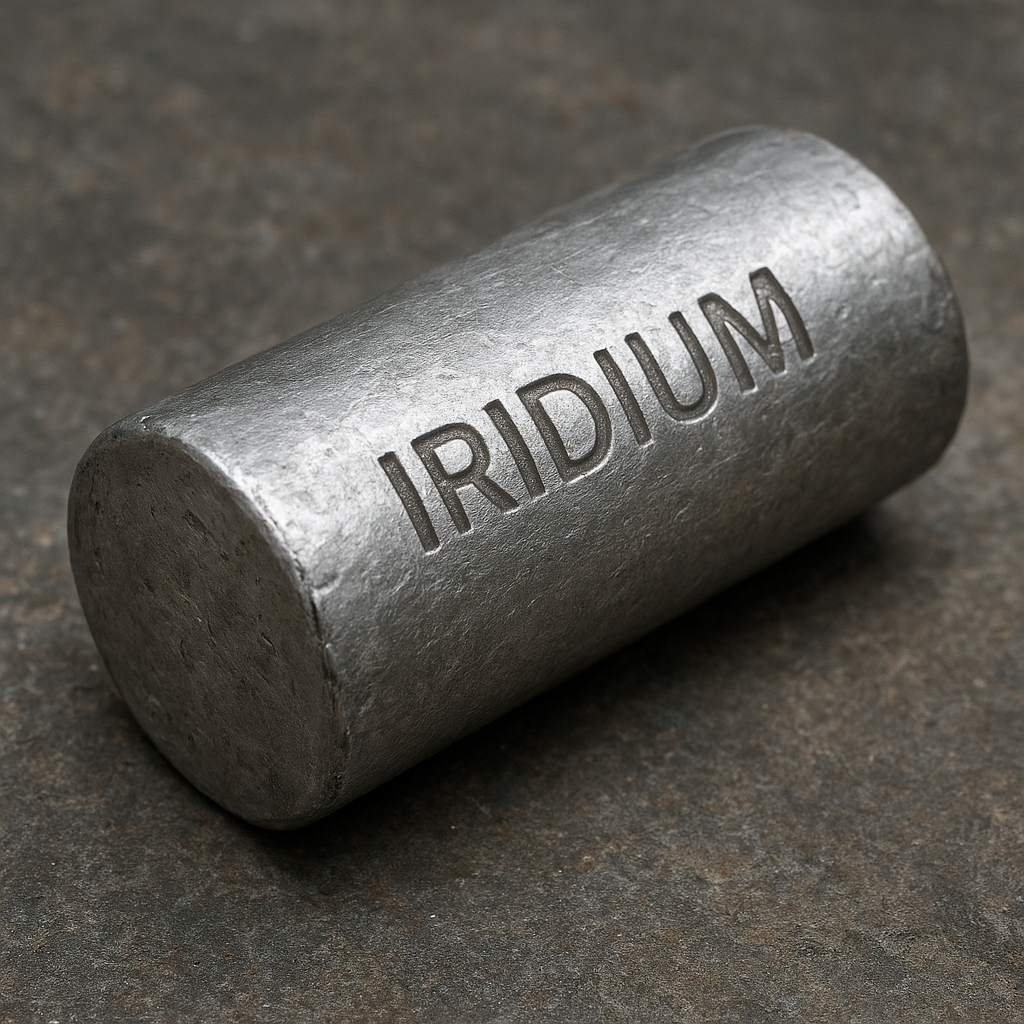
The transition metal Iridium occupies a unique place in the periodic table and in human technology. Often overshadowed by its more familiar neighbors, it combines extreme physical resilience with intriguing chemistry and a story that stretches from the depths of the Earth to the evidence of giant asteroid impacts. This article explores where iridium is
Iridium Read More »
The element with the chemical symbol osmium occupies a peculiar place among the metals: extremely rare, astonishingly dense, and chemically distinctive. Found in trace amounts across a handful of geologic settings, osmium and its compounds have intrigued chemists, geologists and technologists for over two centuries. This article explores where osmium appears in nature, how it
Osmium Read More »
Tellurium is an intriguing chemical element that sits at the crossroads between metals and nonmetals, bringing together unusual physical properties and a surprisingly broad range of technological uses. With the symbol Te and atomic number 52, this lustrous, brittle element belongs to the same family as oxygen and sulfur and has been quietly indispensable in
Tellurium Read More »
Niobium is a subtle but powerful transition metal whose properties and applications touch industries from aerospace to electronics and fundamental physics. Often overshadowed by more familiar metals like iron or copper, niobium plays an outsized role in high-performance materials, superconducting technologies, and modern electronics. This article explores where niobium is found, how it is extracted
Niobium Read More »
Tantalum is a rare, lustrous metal prized for its exceptional physical and chemical properties. It plays a subtle but critical role in many modern technologies, from tiny electronic components to high-performance aerospace parts and medical devices. This article explores where tantalum is found, how it is extracted and processed, its unique characteristics, diverse applications, and
Tantalum Read More »
Hafnium is a dense, lustrous transition metal with a reputation for being both technically vital and quietly ubiquitous in high-performance materials and advanced technologies. Chemically similar to zirconium but distinct in its nuclear and electronic behavior, hafnium has carved out a niche in fields ranging from microelectronics to nuclear engineering. This article explores where hafnium
Hafnium Read More »
Germanium is a lustrous, grayish-white metalloid that sits directly below silicon in the periodic table. Although less familiar to the general public than silicon or copper, germanium has played an outsized role in the development of modern electronics and continues to be integral to several high-performance technologies. This article explores where germanium is found, its
Germanium Read More »