Rare Earth Element
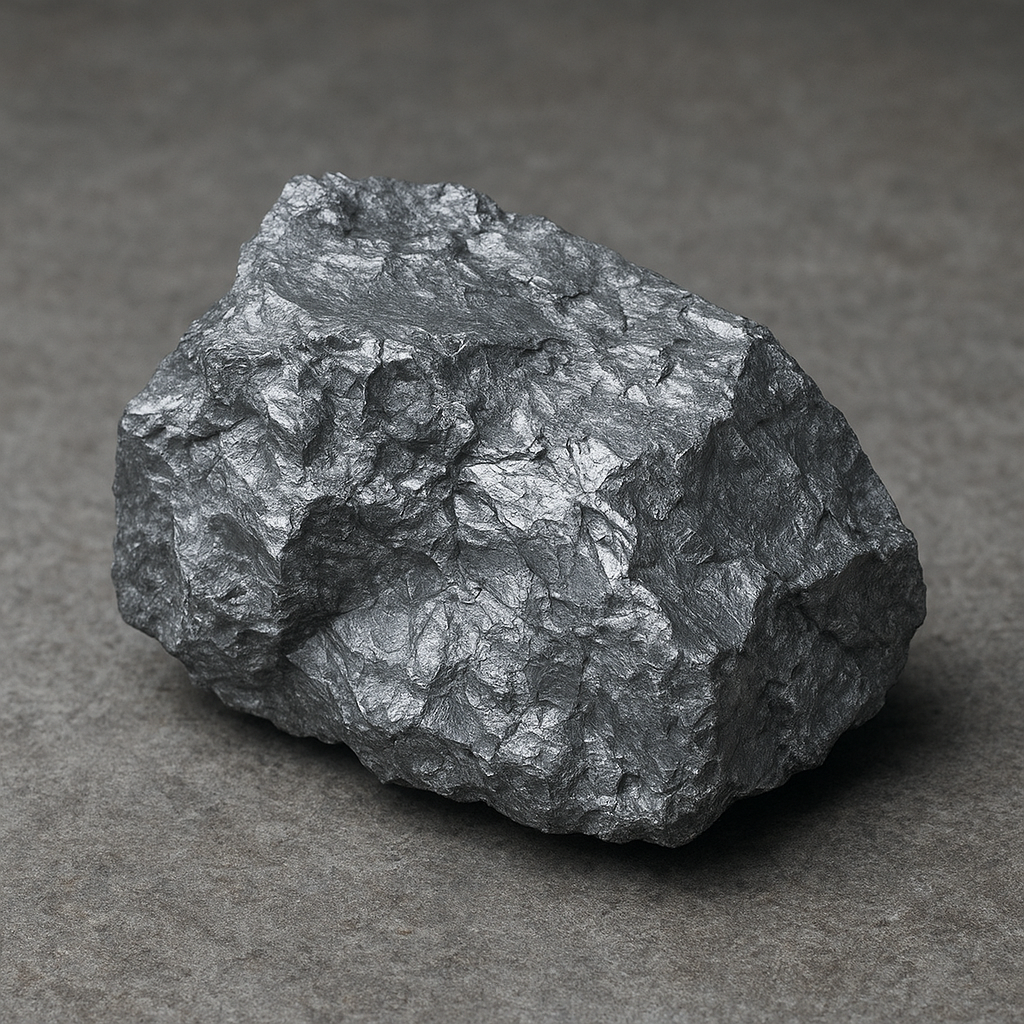
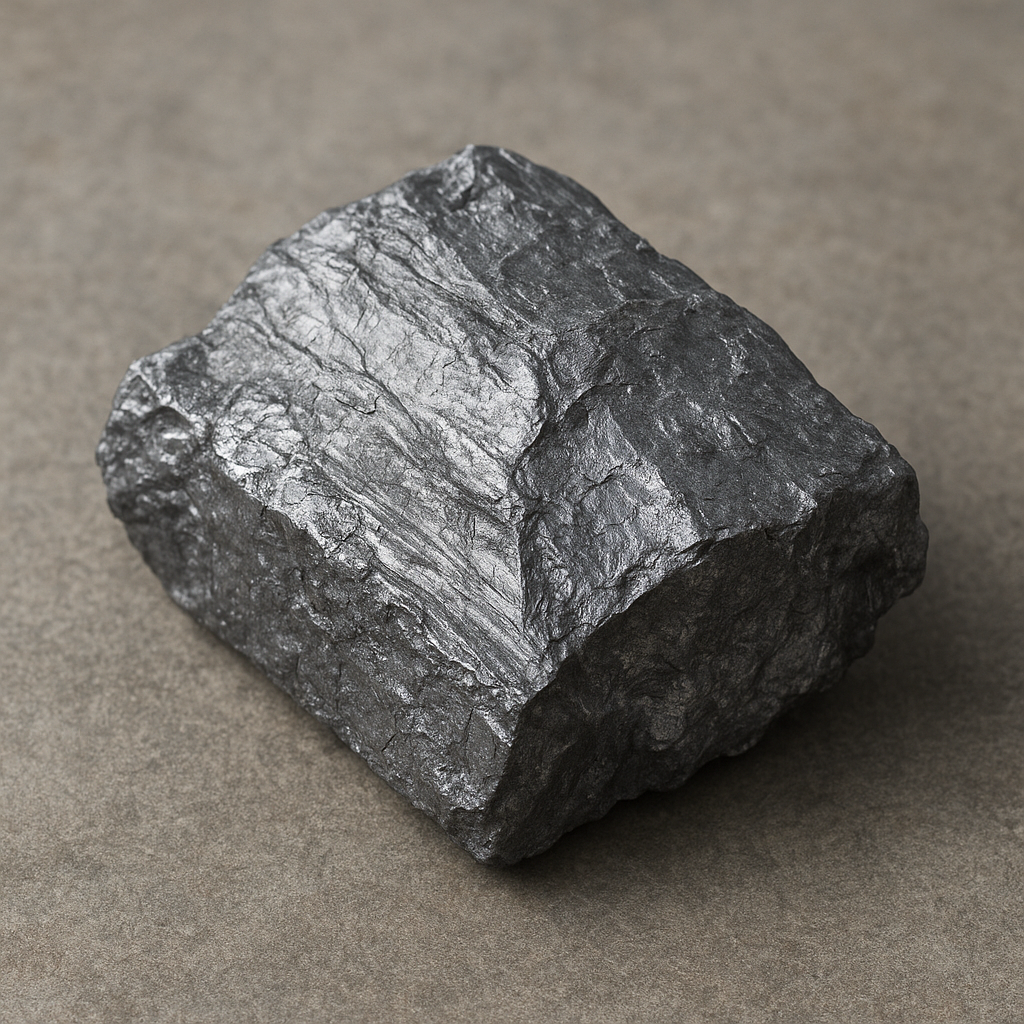
Rare earth elements (REEs) are a group of seventeen chemical elements in the periodic table, specifically the fifteen lanthanides, plus scandium and yttrium. Scandium and yttrium are considered rare earth elements because they tend to occur in the same ore deposits as the lanthanides and exhibit similar chemical properties. Despite their name, most rare earth elements are not particularly rare in the Earth’s crust; however, they are rarely found in concentrated forms, which makes their extraction economically challenging.
The lanthanides are metals that are similar in their properties, including their shininess and reactivity. These elements are key components in a wide range of technological applications due to their unique magnetic, luminescent, and electrochemical properties. They play crucial roles in the manufacture of modern technologies such as smartphones, computers, wind turbines, electric vehicles, and various defense systems. Specific uses include powerful permanent magnets, phosphors in color television and computer screens, catalysts in automotive catalytic converters, and components in rechargeable batteries.
The extraction, refinement, and processing of rare earth elements can be environmentally challenging and technically complex, which has led to concerns about the supply and geopolitical implications of these critical materials. China has been the dominant supplier of rare earth elements, controlling a significant portion of the world’s production and reserves, which has prompted other countries to develop their own REE resources to ensure a stable supply for future technological development.
Magnesium is a versatile and widely distributed element that plays critical roles across chemistry, industry, and biology. Its presence ranges from the vastness of the ocean to the structure of living cells, and its chemical behavior underpins a variety of technologies — from lightweight structural components to medicinal preparations. This article explores the properties, natural […]
Magnesium Read More »
Calcium is an element that quietly shapes much of the world around us — from the hardness of bones and teeth to the cliffs that frame coastlines and the cement beneath our feet. This article explores where calcium is found in nature, how it functions in living systems, and the many practical and industrial uses
Calcium Read More »
Arsenic is an element that has shaped human history, industry, and public health in profound and sometimes surprising ways. Found in minerals, soils, and waters across the globe, it appears in both natural and anthropogenic contexts. This article explores where arsenic occurs, how it is used, the scientific and regulatory concerns tied to its presence,
Arsenic Read More »
Mercury is one of those substances that fascinates and alarms in equal measure: a metal that flows like water, a historical symbol of transformation and mystery, and a modern environmental and public-health challenge. This article explores where mercury occurs in nature and industry, how it has been and is used, and several related topics that
Mercury Read More »
Zinc is a versatile chemical element that plays a vital role in industry, biology, and the environment. Its unique combination of physical and chemical properties makes it indispensable across a wide range of applications, from protecting steel against rust to serving as an essential micronutrient in living organisms. This article explores where zinc occurs, how
Zinc Read More »
Lead is a dense, malleable element with a long and complex history in human civilization. Its physical and chemical properties made it attractive for many applications, while its adverse effects on health and the environment turned it into a major public policy and scientific challenge. This article explores where lead occurs in nature, how it
Lead Read More »
Tin is a versatile and historically significant element whose quiet presence shapes technology, industry, and daily life. From the Bronze Age to modern electronics, tin’s physical and chemical properties have enabled a wide range of applications — often hidden, sometimes controversial, and frequently surprising. This article explores where tin is found, how it is processed
Tin Read More »
Copper is a metal that has shaped human history, technology and biology for millennia. Its distinctive reddish hue, exceptional physical properties and wide availability have made it central to everything from ancient tools to modern electronics. This article explores where copper is found in nature, how it is processed and used, its role in living
Copper Read More »
Silver has fascinated people for millennia, prized both for its shimmering beauty and its remarkable physical and chemical qualities. This article explores where silver occurs in nature, how it is extracted and processed, the many applications that depend on its unique properties, and some intriguing historical and contemporary uses. Along the way, the text highlights
Silver Read More »
The metal commonly known as gold has fascinated humans for millennia with its warm luster, rarity and versatility. Its physical and chemical properties give it a unique combination of beauty, stability and utility, and its presence has shaped cultures, economies and technologies across the globe. This article surveys where gold is found in nature, how
Gold Read More »