Minerals of the World

Tellurium

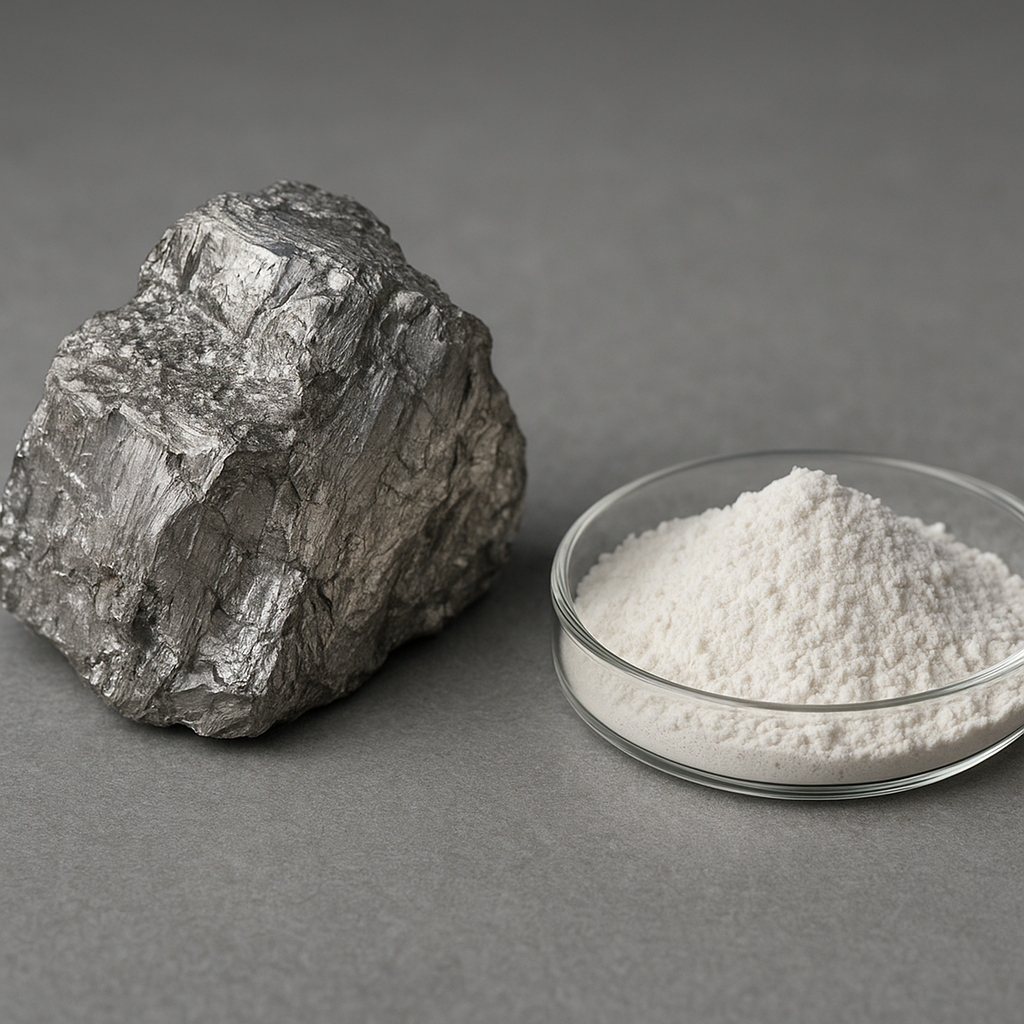
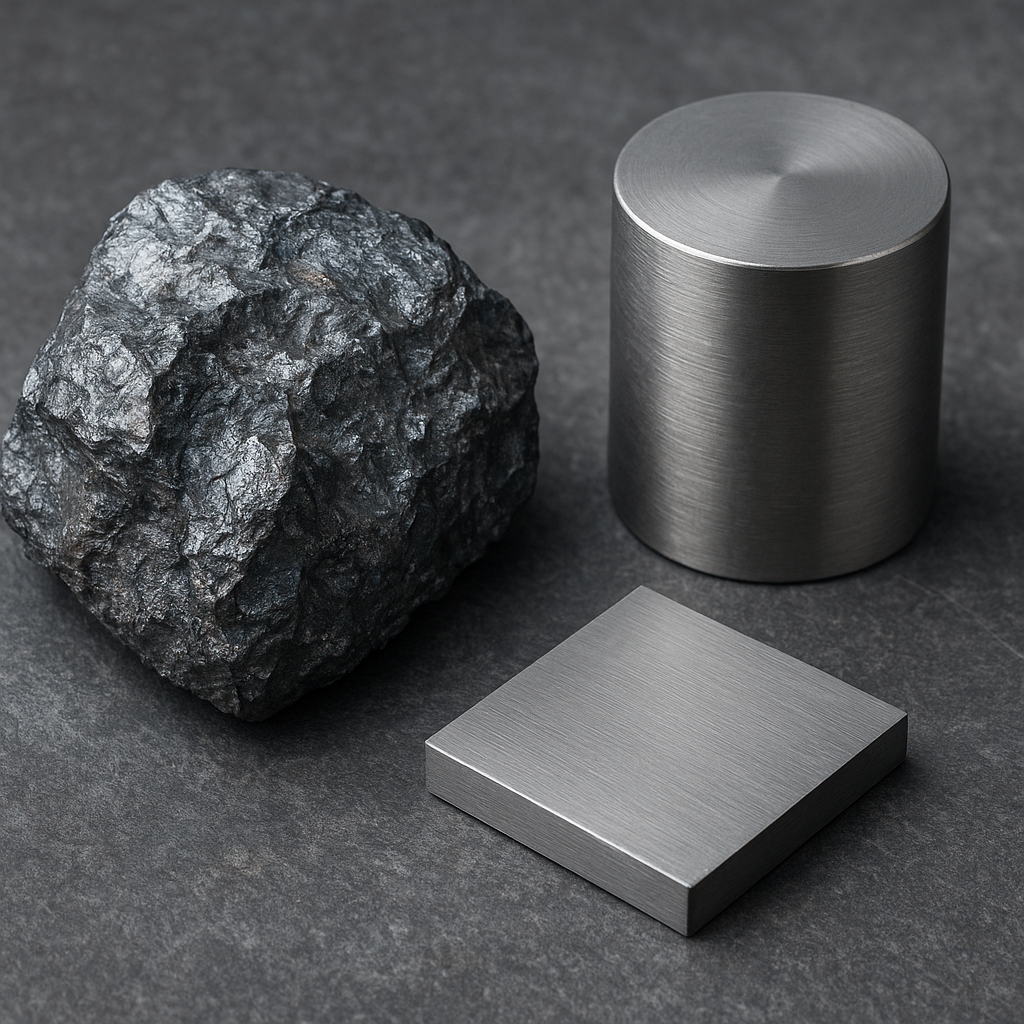
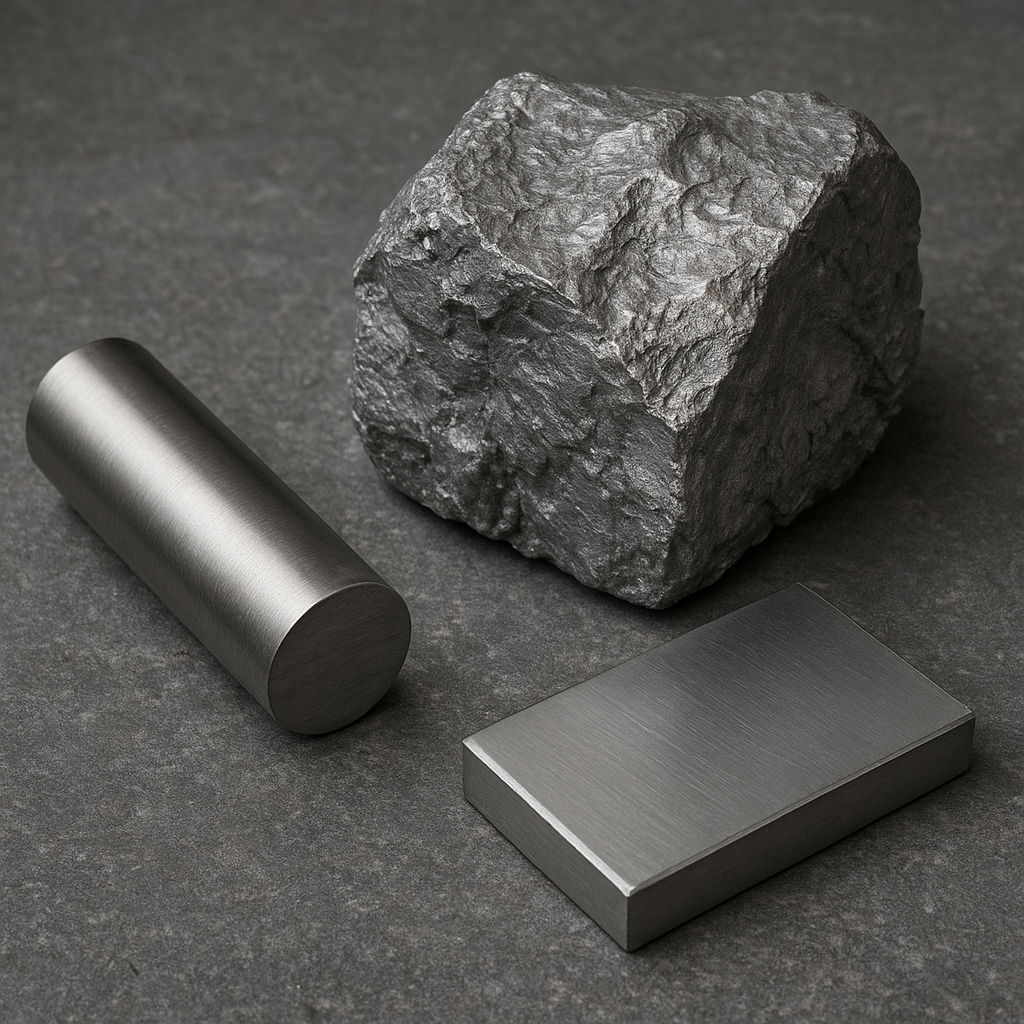
Tellurium is an intriguing chemical element that sits at the crossroads between metals and nonmetals, bringing together unusual physical properties and a surprisingly broad range of technological uses. With the symbol Te and atomic number 52, this lustrous, brittle element belongs to the same family as oxygen and sulfur and has been quietly indispensable in […]
Tellurium Read More »

Niobium

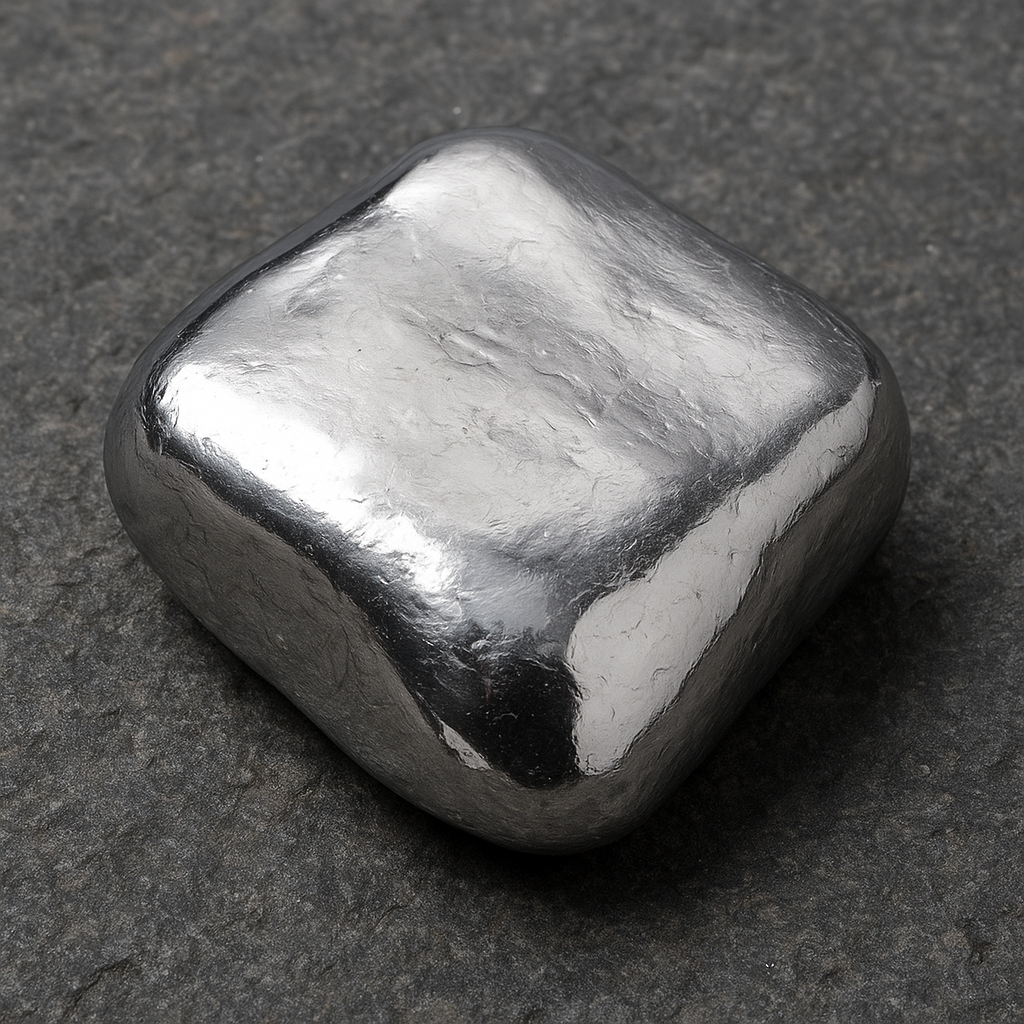
Niobium is a subtle but powerful transition metal whose properties and applications touch industries from aerospace to electronics and fundamental physics. Often overshadowed by more familiar metals like iron or copper, niobium plays an outsized role in high-performance materials, superconducting technologies, and modern electronics. This article explores where niobium is found, how it is extracted

Niobium Read More »

Tantalum

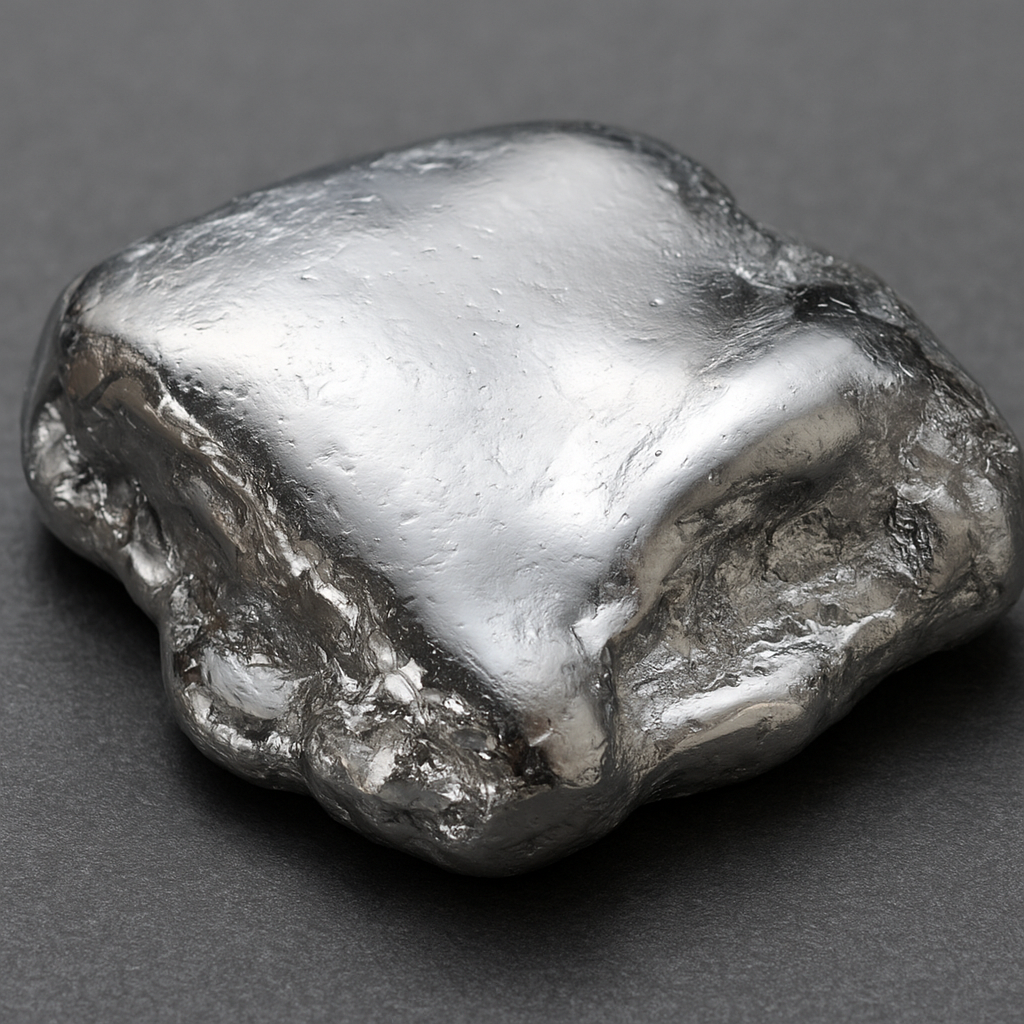
Tantalum is a rare, lustrous metal prized for its exceptional physical and chemical properties. It plays a subtle but critical role in many modern technologies, from tiny electronic components to high-performance aerospace parts and medical devices. This article explores where tantalum is found, how it is extracted and processed, its unique characteristics, diverse applications, and

Tantalum Read More »

Hafnium

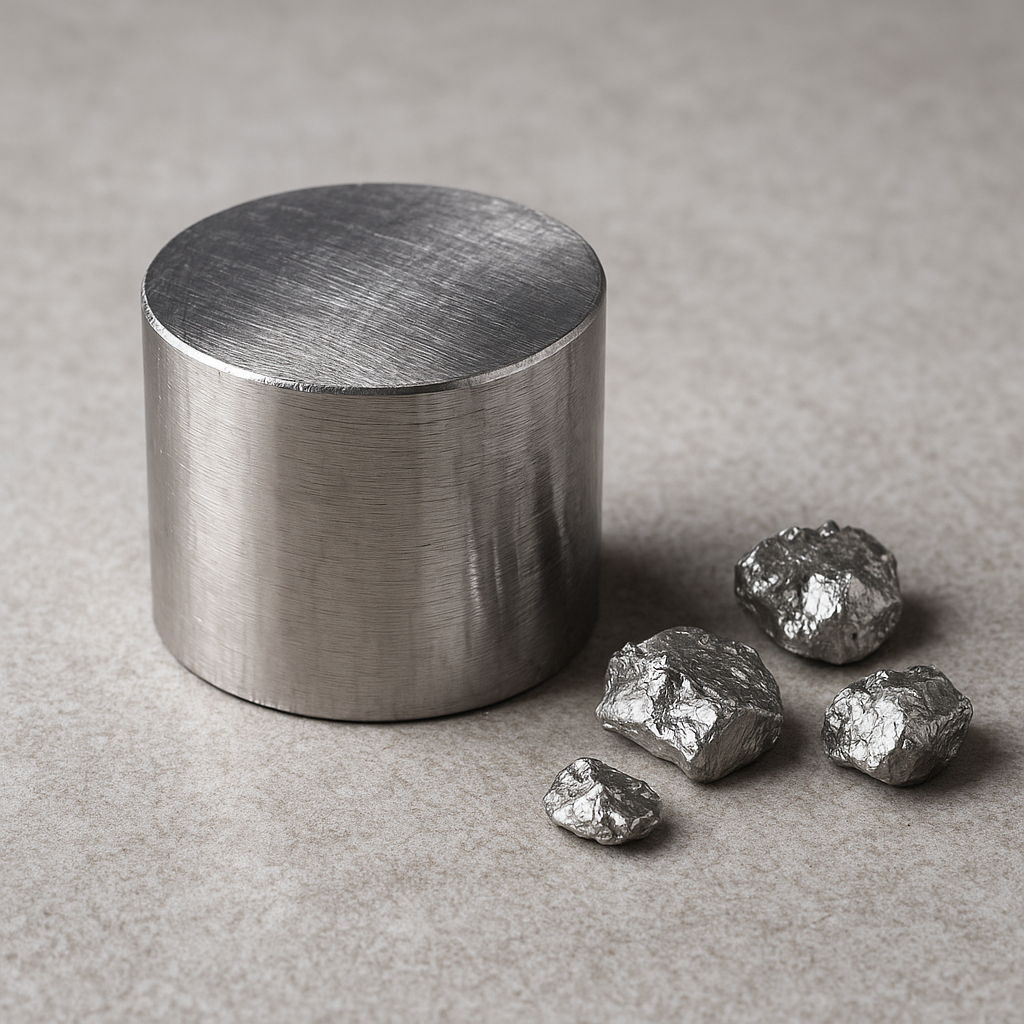
Hafnium is a dense, lustrous transition metal with a reputation for being both technically vital and quietly ubiquitous in high-performance materials and advanced technologies. Chemically similar to zirconium but distinct in its nuclear and electronic behavior, hafnium has carved out a niche in fields ranging from microelectronics to nuclear engineering. This article explores where hafnium

Hafnium Read More »

Germanium

Germanium is a lustrous, grayish-white metalloid that sits directly below silicon in the periodic table. Although less familiar to the general public than silicon or copper, germanium has played an outsized role in the development of modern electronics and continues to be integral to several high-performance technologies. This article explores where germanium is found, its

Germanium Read More »

Gallium

Gallium is an element that sits quietly between aluminum and indium in the periodic table, yet it exerts an outsized influence on modern technology. This soft, silvery metal has unusual physical properties, a fascinating discovery history, and a growing list of high-tech applications. The following sections explore where gallium is found, how it is produced,

Gallium Read More »

Indium

Indium is a soft, silvery post-transition metal with surprising importance far beyond its modest abundance. Though it exists only in trace amounts in the Earth’s crust, modern technology has elevated it to the status of a strategically important material. This article explores where indium is found, how it is produced and recycled, the many ways

Indium Read More »

Rhenium

Rhenium is one of the rarest and most intriguing transition metals on Earth, prized for a combination of exceptional physical and chemical properties that make it indispensable in high-performance technologies. Although it occurs only in minute quantities in the Earth’s crust, its influence on modern industry is outsized: it plays a crucial role in aerospace

Rhenium Read More »

Lutetium

Lutetium occupies a small but intriguing corner of the periodic table. Often overshadowed by its lanthanide neighbors, this element has quietly become indispensable in several cutting-edge technologies. The following sections explore its basic properties, where it occurs in nature, how it is produced and refined, its applications in medicine and industry, and several fascinating aspects

Lutetium Read More »

Ytterbium

Ytterbium is a quietly influential member of the lanthanide series whose properties and applications touch fields from precision timekeeping to high-power industry lasers and cutting-edge quantum research. Found only in trace amounts in rare-earth minerals, this soft, silvery metal and its ions have a disproportionate impact on modern technology, materials science, and fundamental physics. The

Ytterbium Read More »