Minerals of the World

Cesium

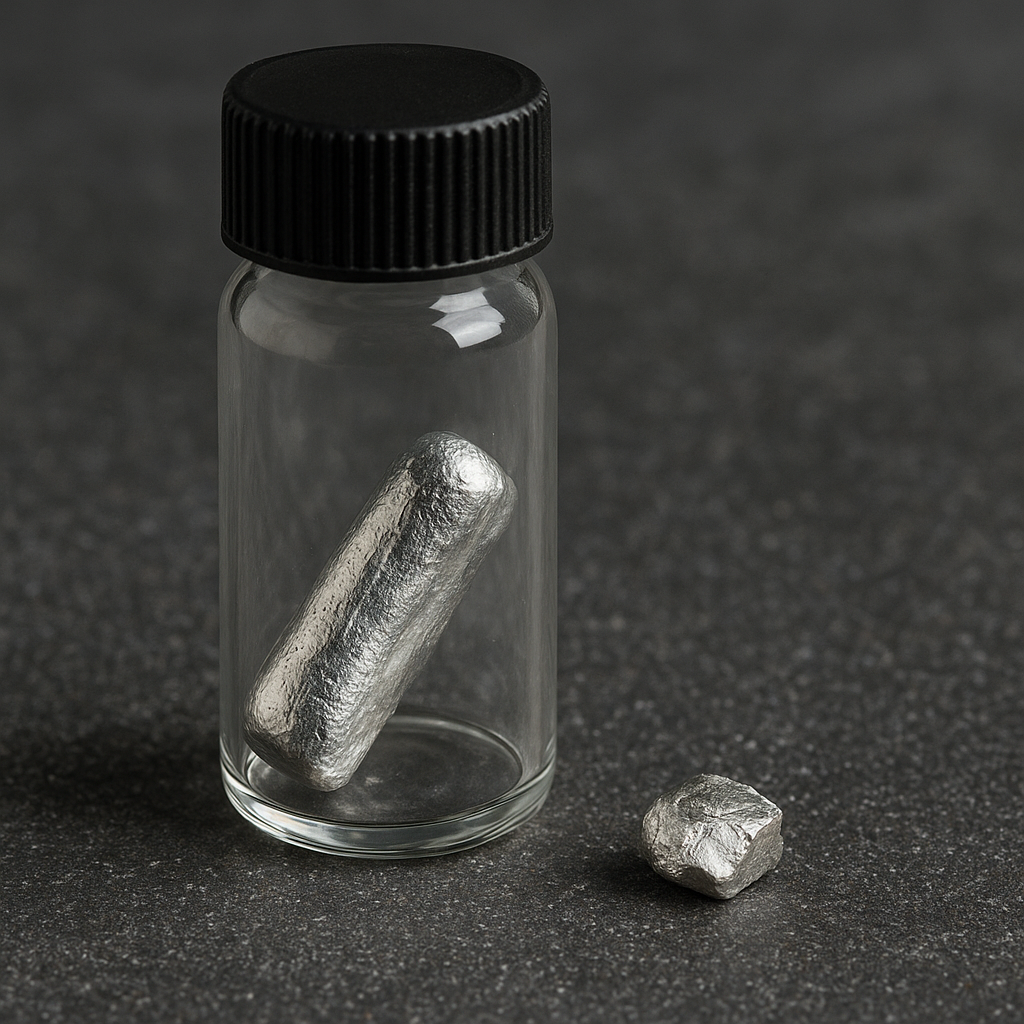
Cesium is one of the most intriguing elements on the periodic table: soft, highly reactive, and central to technologies that measure time and manipulate the quantum states of atoms. Its chemistry and isotopes link geology, industry, medicine and cutting-edge physics. This article explores where cesium is found, how it is obtained, the many ways humans […]
Cesium Read More »

Rubidium

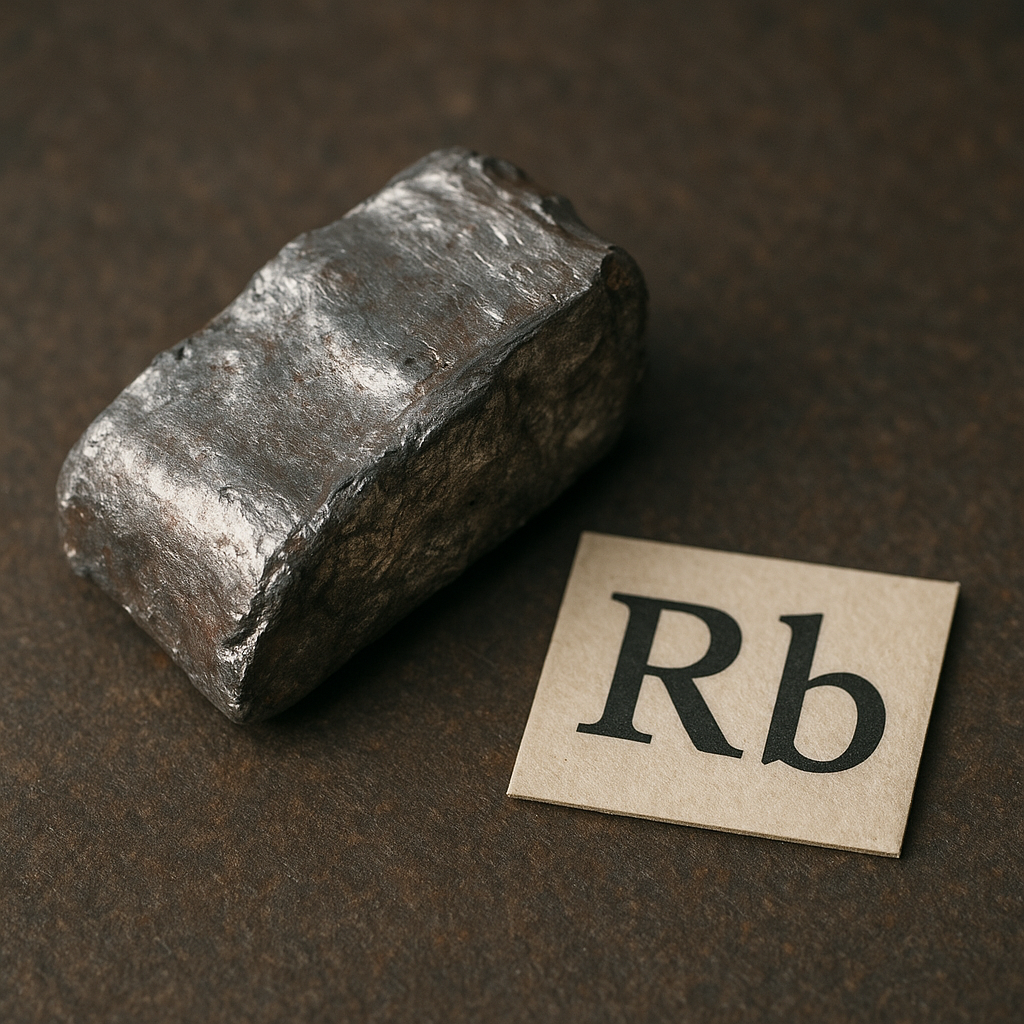
Rubidium is an intriguing and versatile element that sits among the alkali metals and quietly supports many modern technologies. Named for the deep red lines seen in its spectrum when it was discovered, rubidium’s physical and chemical traits make it both a challenge to handle and a powerful tool for researchers and engineers. This article

Rubidium Read More »

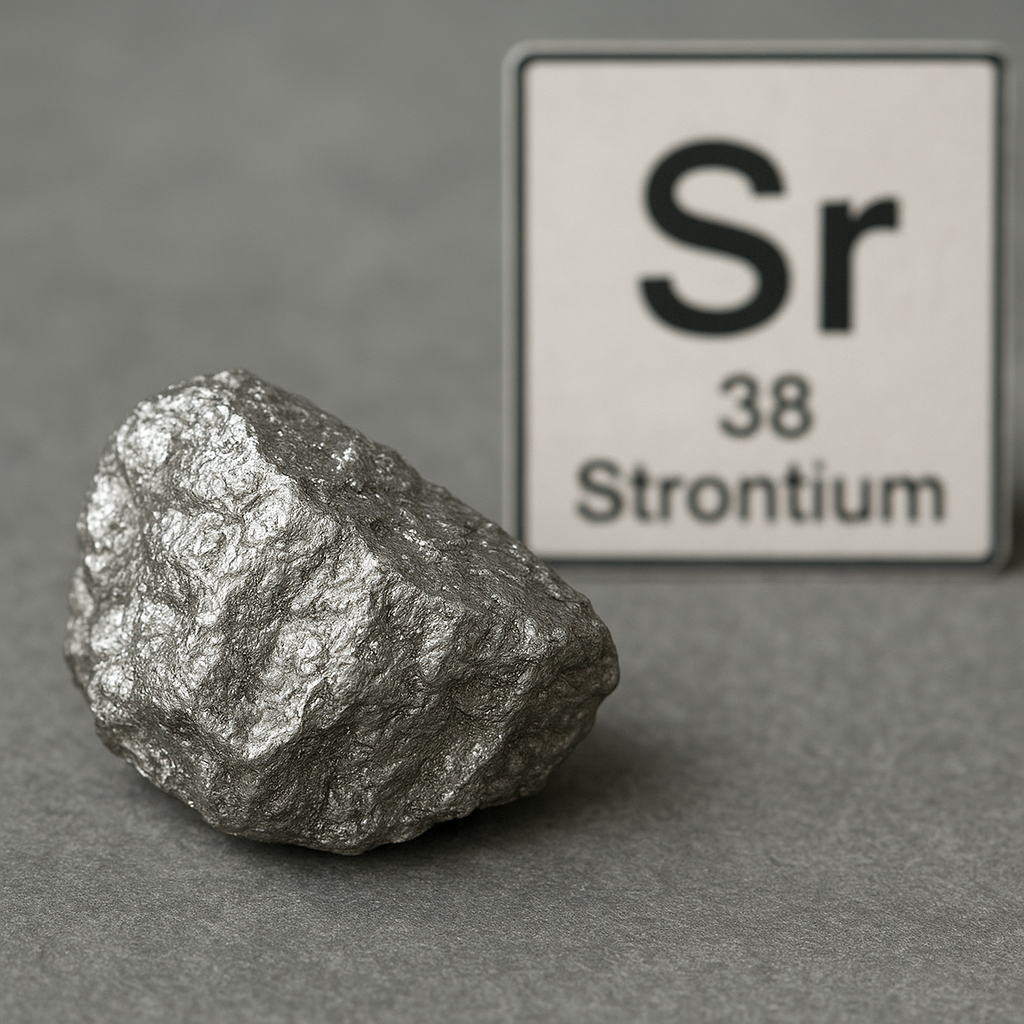
Strontium

Strontium is an often-overlooked chemical element that quietly influences many aspects of modern life, from the deep history recorded in rocks to the brilliant reds of fireworks. This article explores where strontium is found in nature, how it is processed and used across industry and medicine, and several intriguing scientific and cultural stories connected to

Strontium Read More »

Zirconium

Zirconium is a versatile transition metal whose properties and compounds have shaped technologies from ancient jewelry to modern nuclear reactors. This article explores where it is found, how it is processed, and the many applications that depend on its unique combination of strength, corrosion resistance and chemical behavior. You will also find interesting tangents about

Zirconium Read More »

Titanium

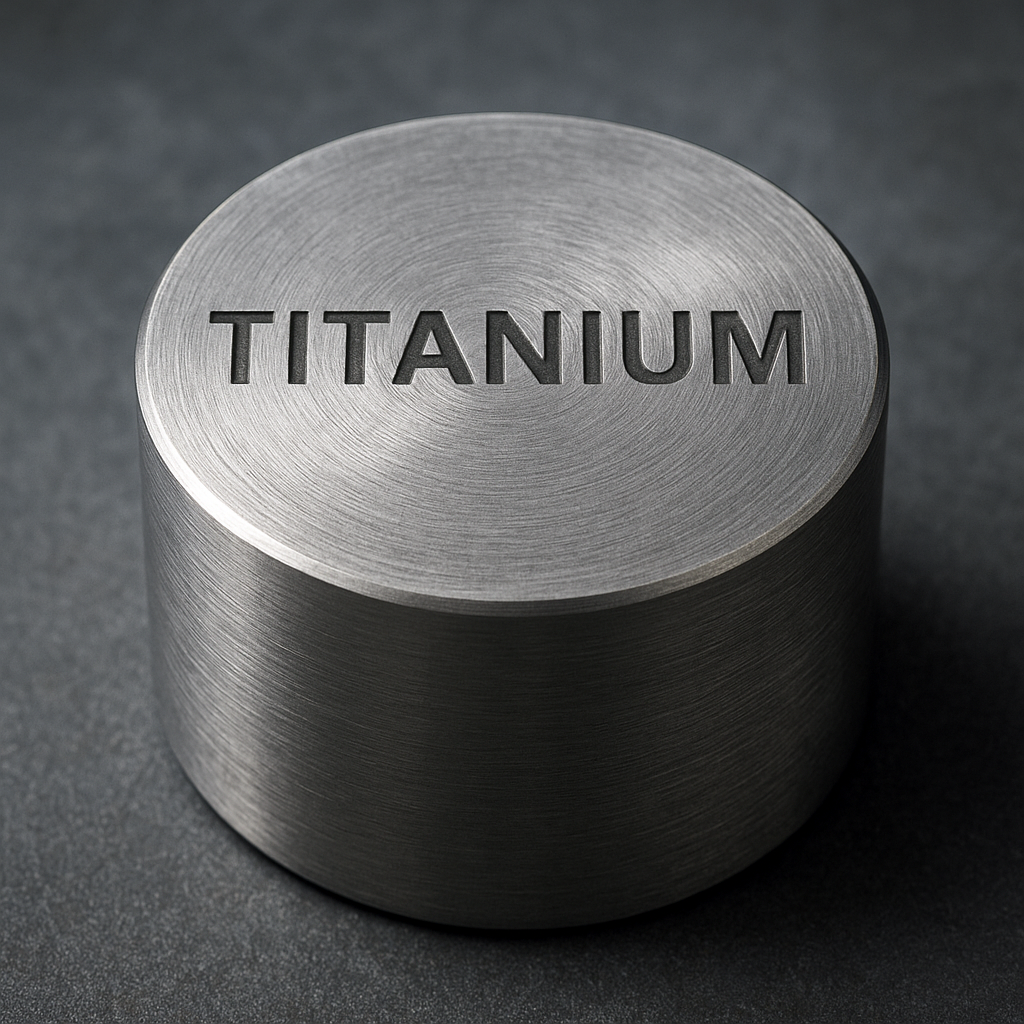
Titanium is a remarkable metal whose combination of properties has made it indispensable across a wide range of industries. From the deep sea to outer space, and from biomedical implants to everyday pigments, the role of this element extends far beyond its modest appearance. The paragraphs that follow explore the physical nature and geological occurrence

Titanium Read More »

Tungsten

Tungsten sits among the most remarkable elements on the periodic table: heavy, resilient, and central to technologies that run from everyday electronics to the most demanding industrial environments. Known by the chemical symbol W and atomic number 74, this metal combines a unique set of physical and chemical properties that make it indispensable in both

Tungsten Read More »

Molybdenum

Molybdenum is a transition metal with a unique combination of physical, chemical and biological properties that have shaped its role across industry, science and agriculture. From deep within the Earth’s crust to high-tech laboratories and hospitals, this element plays pivotal roles that are sometimes invisible but often indispensable. This article explores where molybdenum is found

Molybdenum Read More »

Manganese

Manganese is a transition metal with a wide range of roles across industry, geology, biology, and environmental systems. Its versatility arises from multiple stable oxidation states and its ability to form a diverse set of compounds. The following text explores where manganese is found, how it is extracted and used, its importance to living organisms,

Manganese Read More »

Chromium

Chromium is a transition element that has shaped modern industry, materials science and even art. Its distinct physical and chemical properties make it indispensable in a wide range of applications, while some of its compounds have inspired both admiration for their vivid colors and concern because of their toxicity. This article explores where chromium is

Chromium Read More »

Cobalt

Cobalt is an element that quietly underpins many modern technologies and ancient practices alike. With a distinctive place on the periodic table and a range of physical and chemical properties that make it both versatile and valuable, cobalt appears in ores, biological systems, industrial alloys, and even medical instruments. This article explores where cobalt is

Cobalt Read More »