Minerals of the World

Uranium

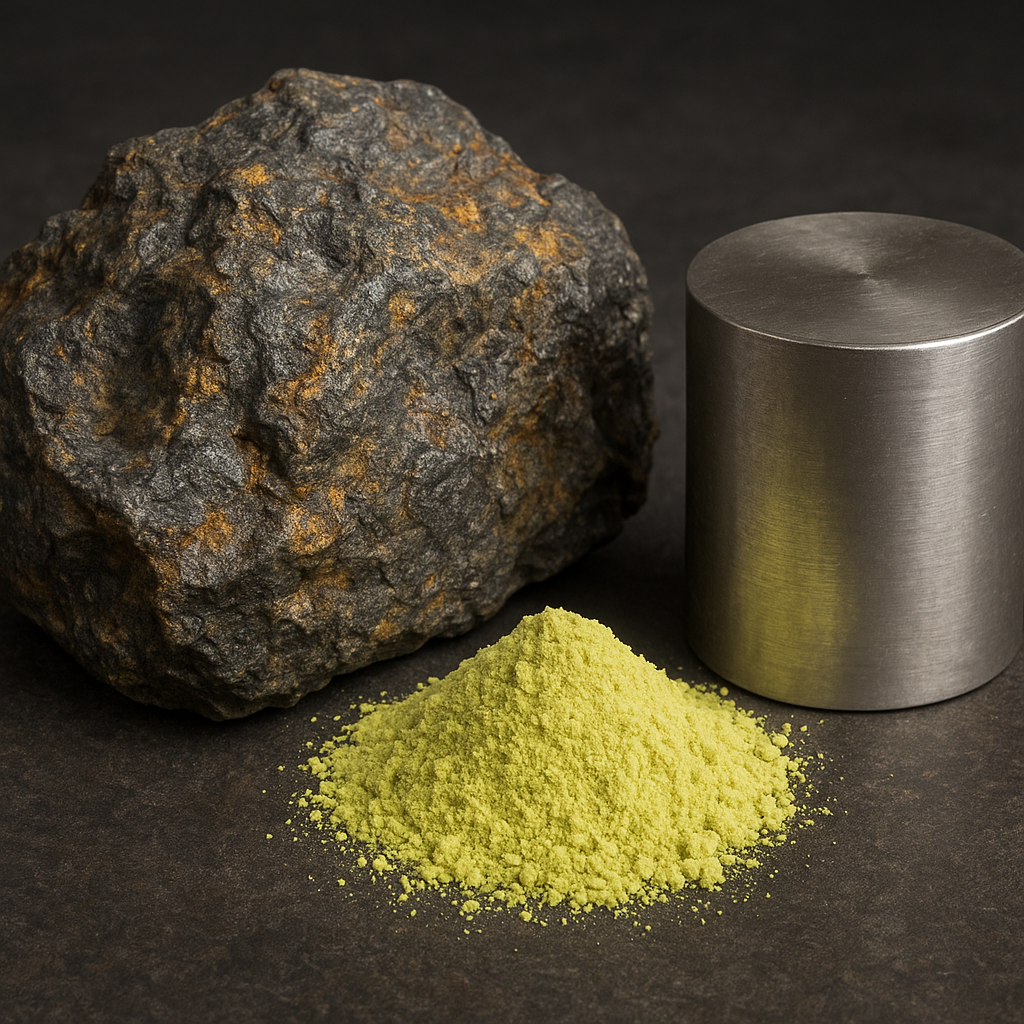
Uranium is a heavy, naturally occurring element that has shaped human history, industry, and science in profound ways. Its distinctive chemistry and **radioactivity** have made it both a valuable resource and a source of controversy. This article explores where uranium is found, how it behaves at the atomic level, the many applications it supports, and […]


Uranium Read More »

Thorium

Thorium is an element that sits at the intersection of geology, physics and energy policy. It attracts attention for its potential to contribute to low-carbon energy systems, for its curious chemistry and for a historical trail of applications ranging from incandescent gas mantles to specialized optical glass. This article explores where thorium is found, how

Thorium Read More »

Potassium

Potassium is an element that quietly underpins much of life on Earth, the modern chemical industry, and numerous natural processes. Its presence is so ubiquitous that it often goes unnoticed, yet its role is decisive—from the way plants grow to how our hearts beat. This article explores where potassium occurs, how it is used across

Potassium Read More »

Sodium

Sodium is a ubiquitous and fascinating chemical element whose presence shapes landscapes, technologies, and living systems. Although often associated with the everyday taste of salt, sodium’s significance extends far beyond the kitchen. This article explores where sodium occurs in nature, its chemical and physical characteristics, industrial and technological applications, its critical roles in biology and

Sodium Read More »

Magnesium

Magnesium is a versatile and widely distributed element that plays critical roles across chemistry, industry, and biology. Its presence ranges from the vastness of the ocean to the structure of living cells, and its chemical behavior underpins a variety of technologies — from lightweight structural components to medicinal preparations. This article explores the properties, natural

Magnesium Read More »

Calcium

Calcium is an element that quietly shapes much of the world around us — from the hardness of bones and teeth to the cliffs that frame coastlines and the cement beneath our feet. This article explores where calcium is found in nature, how it functions in living systems, and the many practical and industrial uses

Calcium Read More »

Arsenic

Arsenic is an element that has shaped human history, industry, and public health in profound and sometimes surprising ways. Found in minerals, soils, and waters across the globe, it appears in both natural and anthropogenic contexts. This article explores where arsenic occurs, how it is used, the scientific and regulatory concerns tied to its presence,

Arsenic Read More »

Mercury

Mercury is one of those substances that fascinates and alarms in equal measure: a metal that flows like water, a historical symbol of transformation and mystery, and a modern environmental and public-health challenge. This article explores where mercury occurs in nature and industry, how it has been and is used, and several related topics that

Mercury Read More »

Zinc

Zinc is a versatile chemical element that plays a vital role in industry, biology, and the environment. Its unique combination of physical and chemical properties makes it indispensable across a wide range of applications, from protecting steel against rust to serving as an essential micronutrient in living organisms. This article explores where zinc occurs, how

Zinc Read More »

Lead

Lead is a dense, malleable element with a long and complex history in human civilization. Its physical and chemical properties made it attractive for many applications, while its adverse effects on health and the environment turned it into a major public policy and scientific challenge. This article explores where lead occurs in nature, how it

Lead Read More »