Knowledge base

Bronzite

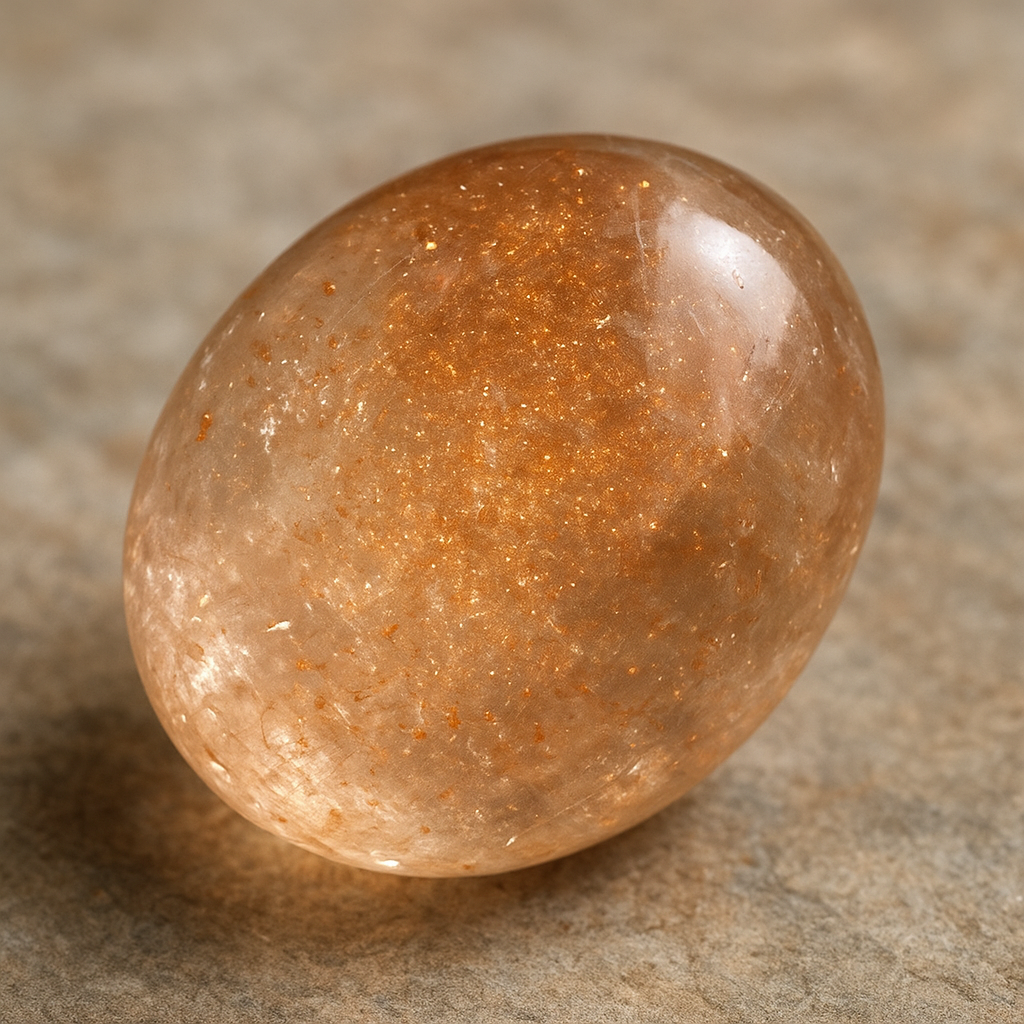
Bronzite is a fascinating and often overlooked mineral whose warm, metallic sheen has attracted collectors, lapidaries, and geologists alike. As a member of the pyroxene group, it occupies an important place in the study of igneous and metamorphic processes while also serving practical roles in jewelry and ornamental stone markets. This article explores bronzite from […]

Bronzite Read More »

Brazilianite

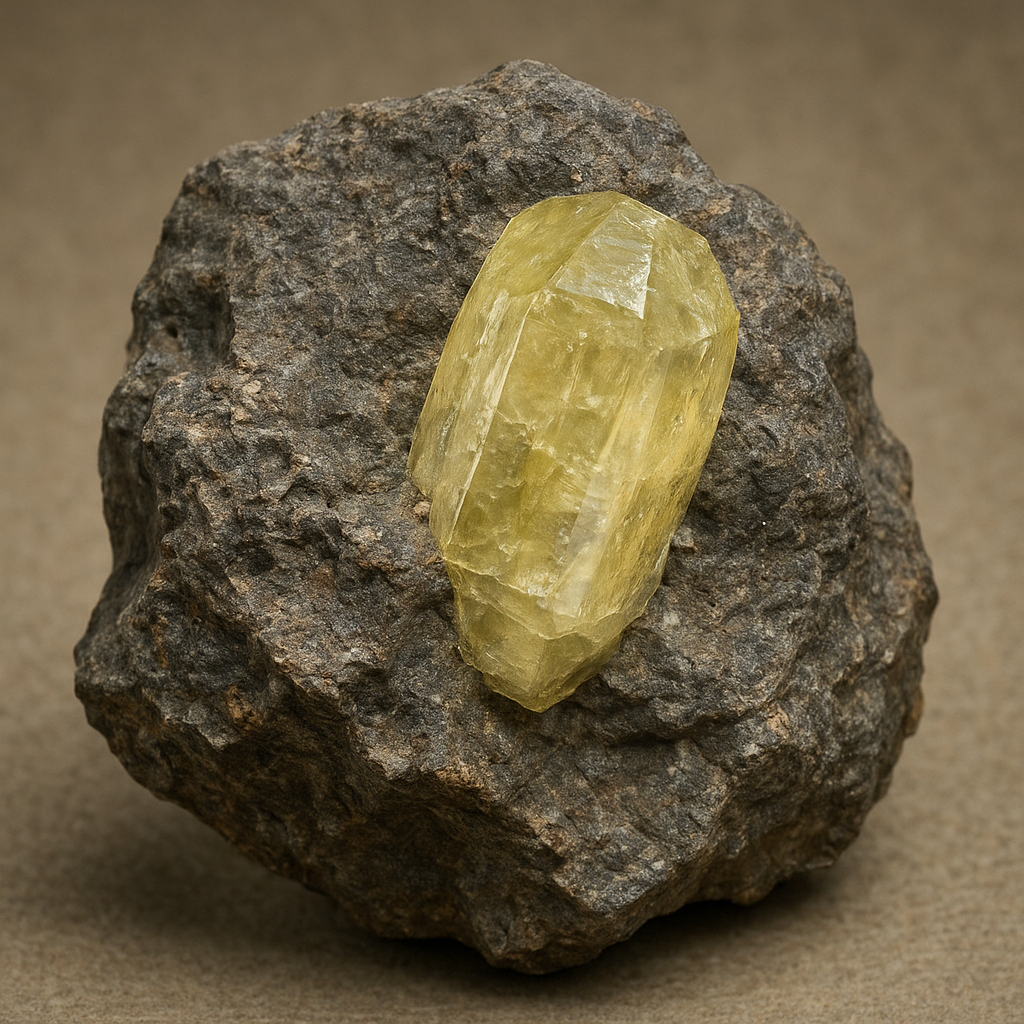
Brazilianite is a striking and relatively rare phosphate mineral prized for its intense yellow-green color and often slender, prismatic forms. Found primarily in granite-derived pegmatites, it occupies a curious place between serious scientific interest and the world of gem and mineral collecting. This article explores where brazilianite occurs, why it forms, what makes it valuable,

Brazilianite Read More »

Bournonite

Bournonite is a striking and scientifically interesting mineral that has attracted the attention of mineralogists, collectors and materials scientists alike. Known for its characteristic metallic luster and often elaborate twinned crystals, it is a sulfosalt whose composition and structure link it to both classic ore-mineral parageneses and modern research into chalcogenide materials. This article surveys

Bournonite Read More »

Boulder Opal

Boulder Opal is a striking and uniquely Australian variety of opal that captures attention with its vivid flashes of color against a natural ironstone matrix. Often admired for its durability and dramatic contrast, this gemstone has carved out a special place in both the gem trade and in cultural lore. This article explores the geological

Boulder Opal Read More »

Bornite

Bornite is a striking and scientifically important copper iron sulfide mineral that has fascinated miners, collectors, and researchers for centuries. Known for its vivid surface colors and role as a primary copper ore, bornite sits at the intersection of geology, metallurgy, mineralogy, and even aesthetics. This article explores its composition and properties, geological settings and

Bornite Read More »

Biotite

Biotite is a common, dark, sheet silicate mineral that belongs to the mica group and plays a central role in many branches of Earth science. Its presence in igneous, metamorphic, and even sedimentary environments makes it an important mineral for interpreting the history and conditions of rock formation. Beyond its value to petrologists and geochemists,

Biotite Read More »

Beryllonite

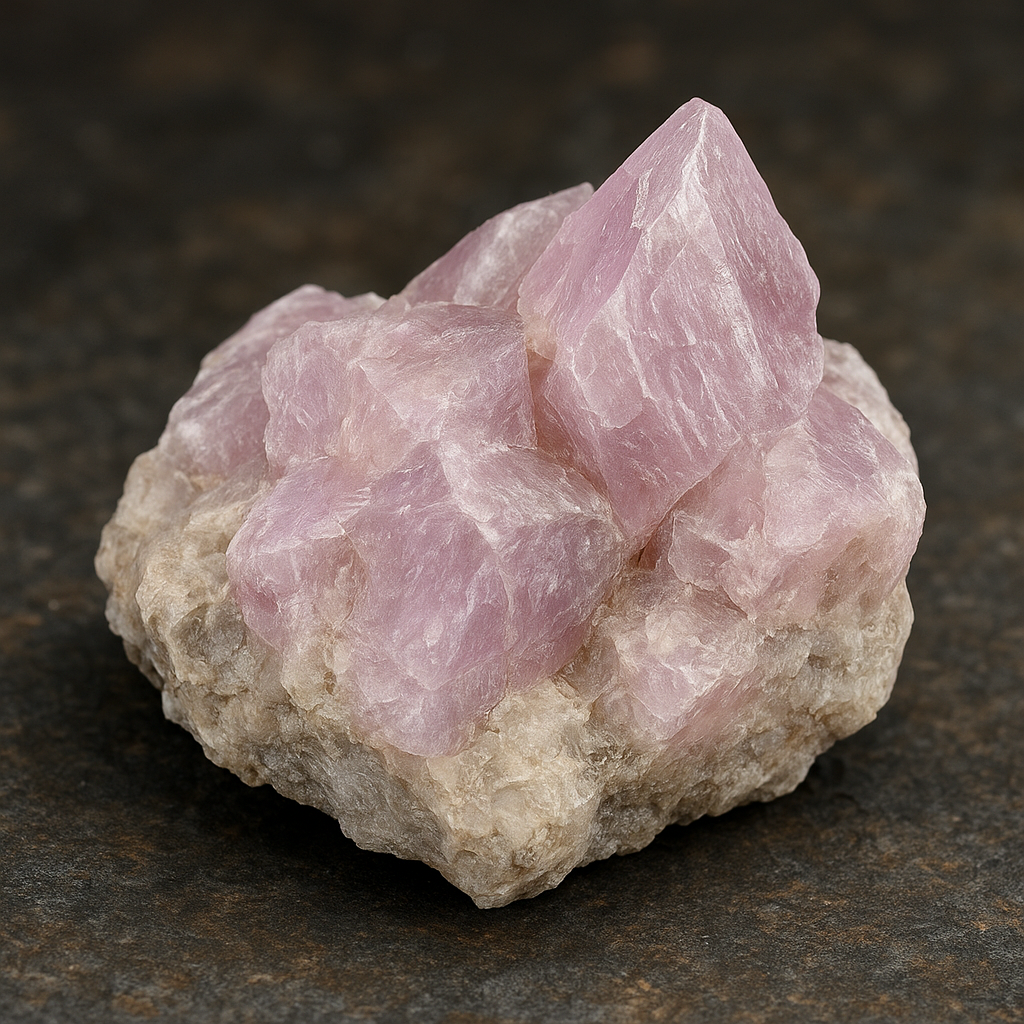
Beryllonite is a small but fascinating member of the phosphate mineral family. Although it rarely captures headlines like beryl or tourmaline, it offers mineralogists, collectors and researchers a unique window into the behavior of beryllium and phosphate chemistry in pegmatitic environments. This article explores its nature, where it is found, how it is used or

Beryllonite Read More »

Benitoite

Benitoite is a small but spectacular mineral known for its vivid blue color and striking optical behavior. Discovered in the early 20th century and forever tied to a single California locality, it has become a symbol of geological rarity and gemological fascination. This article explores the mineral’s chemistry and physical properties, the geological environments in

Benitoite Read More »

Bearite

Before I write the full article, could you clarify what you mean by “Bearite”? A few possibilities I want to confirm so I produce the correct, detailed article: – Do you mean the mineral “barite” (also spelled baryte, barium sulfate)? – Is “Bearite” a brand name, product, company, or fictional material/concept? – Is it related

Bearite Read More »

Bastnäsite

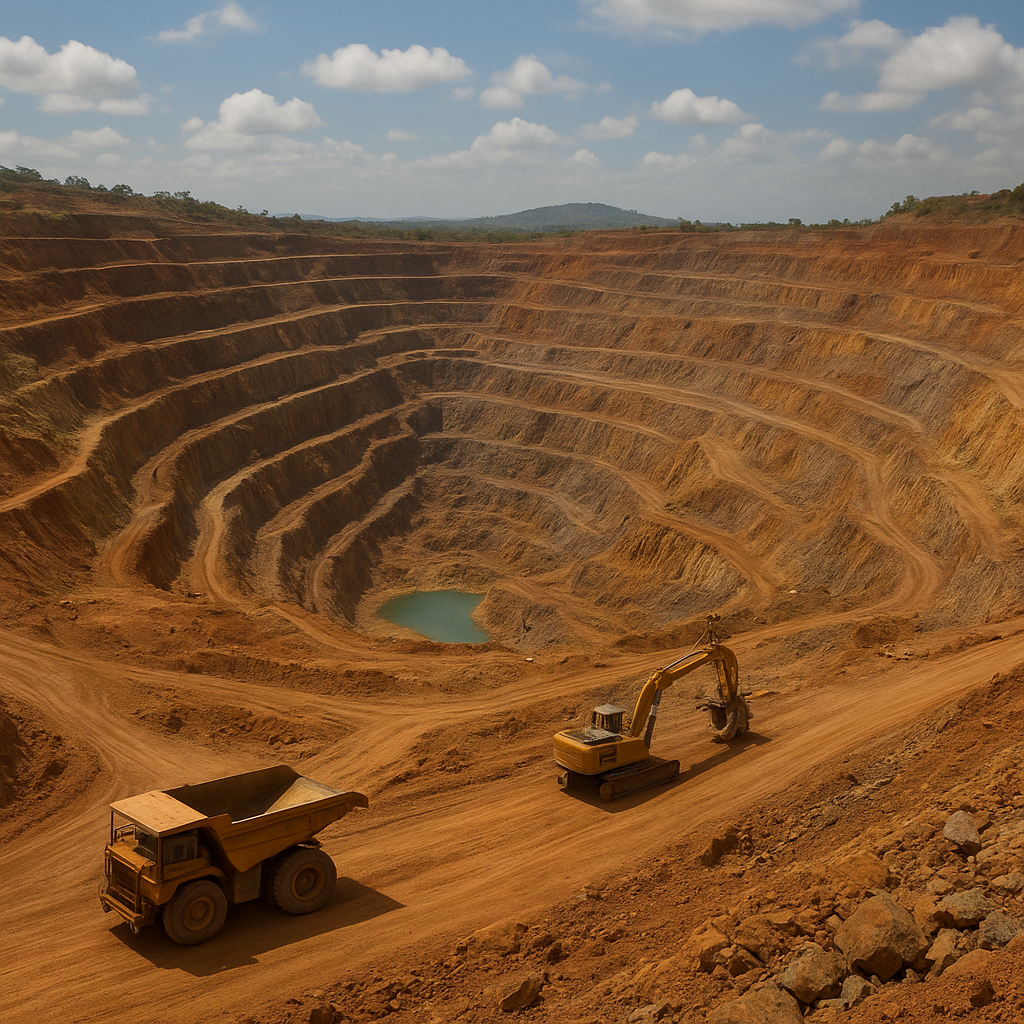
Bastnäsite is a group of rare-earth-bearing carbonate-fluoride minerals that play a central role in the modern supply of rare-earth elements. Named after the Bastnäs district in Sweden where it was first identified, bastnäsite is a primary source of economically important elements such as cerium, lanthanum and neodymium. This article explores where bastnäsite occurs, how it

Bastnäsite Read More »