Knowledge base

Cobaltoan Calcite

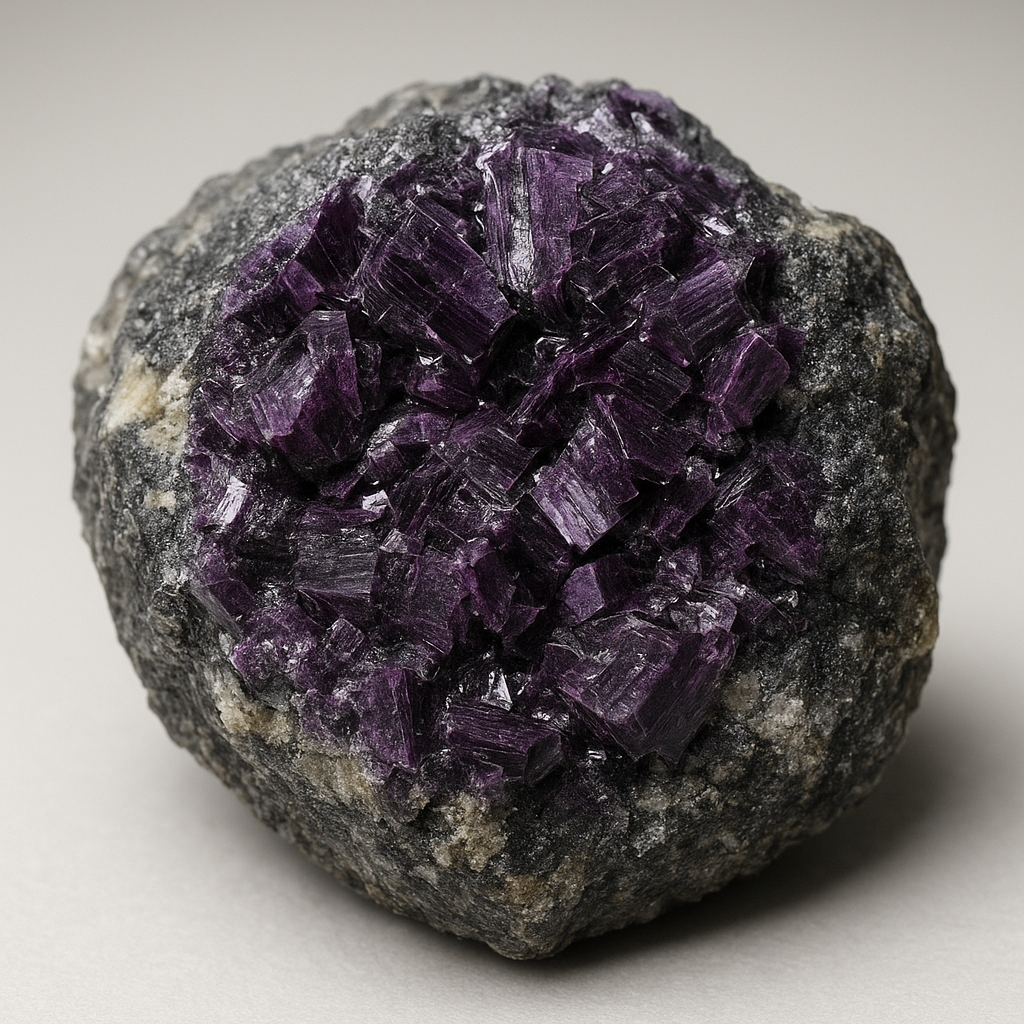
Cobaltoan calcite is a striking variety of the common mineral calcite that owes its vivid pink to magenta hues to the presence of trace cobalt. Although it shares many physical properties with ordinary calcite, its coloration, associations and the geological environments in which it forms make it a favorite among mineral collectors, lapidaries and researchers. […]

Cobaltoan Calcite Read More »

Clinozoisite

Clinozoisite is a fascinating and often overlooked member of the epidote group of minerals. Although it rarely headlines gem collections in the way beryl or garnet do, it plays a central role in understanding many metamorphic and hydrothermal processes. This article will explore the mineral’s chemistry and structure, its characteristic environments of occurrence, practical and

Clinozoisite Read More »

Clinohumite

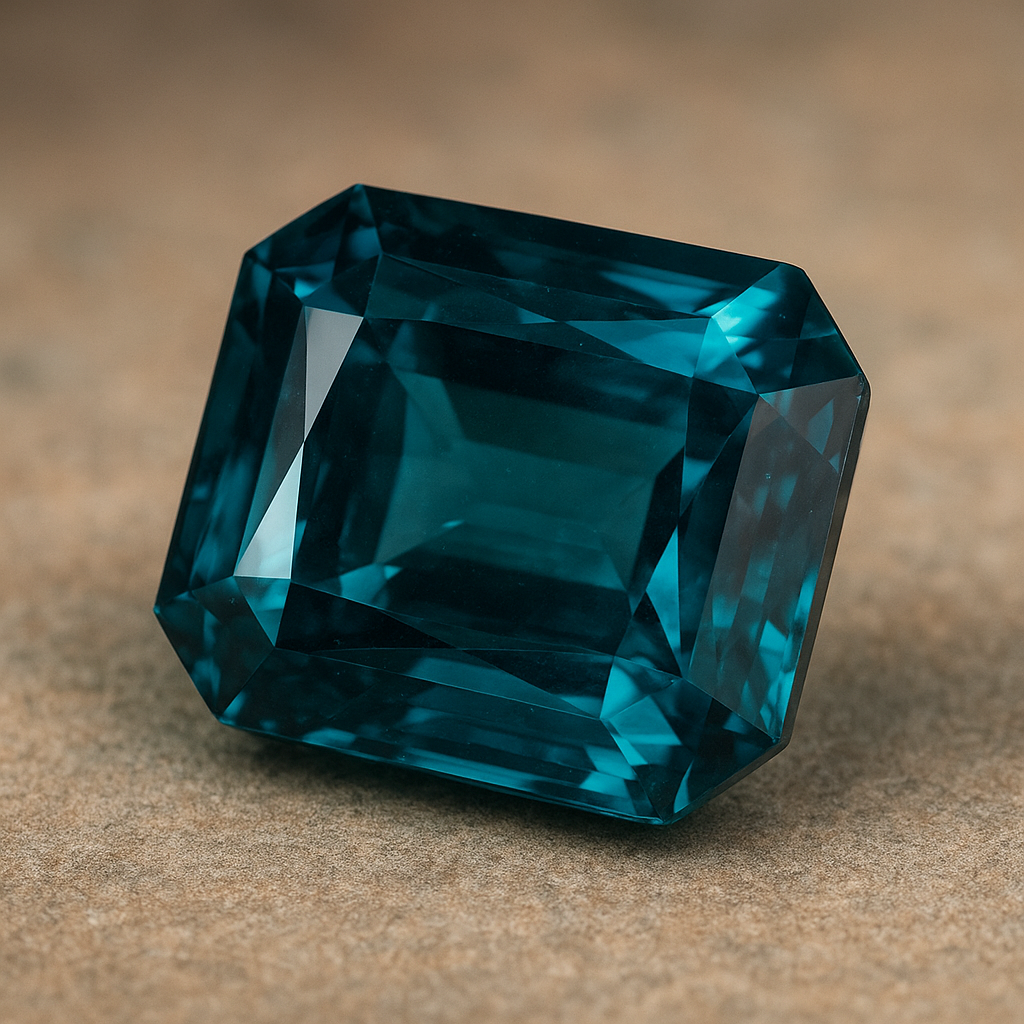
Clinohumite is an uncommon and intriguing member of the humite group of nesosilicates. Its striking colors, unique crystal chemistry, and geological settings make it a subject of interest both for mineral collectors and for researchers who study mantle processes and metasomatism. This article explores the mineralogy, occurrences, applications, and fascinating scientific roles of clinohumite, with

Clinohumite Read More »

Cinnabar

Cinnabar is one of the most visually striking and historically important minerals on Earth. Known for its deep, luminous red and its role as the principal ore of mercury, cinnabar has fascinated miners, artists, alchemists and scientists for millennia. This article explores where cinnabar is found, how it forms, its many uses — from the

Cinnabar Read More »

Chromite

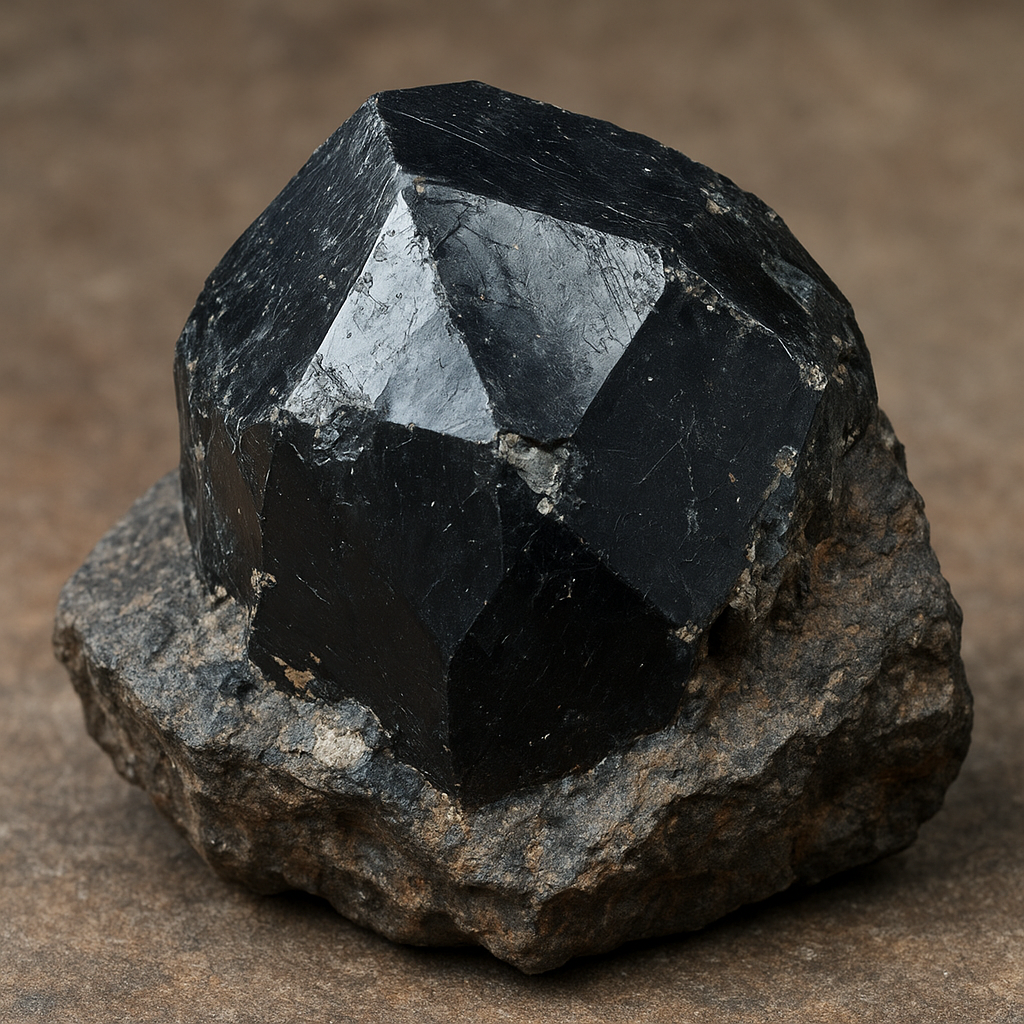
Chromite is a dense, dark mineral that has played a decisive role in modern metallurgy, chemistry, and industry. As the principal ore of chromium, chromite is the gateway between geological processes that concentrate metals and a wide array of industrial applications ranging from stainless steel production to specialized chemical compounds. This article explores the mineral’s

Chromite Read More »

Chlorite

Chlorite is a term with two closely related but distinct meanings: it refers both to a group of chlorine oxyanions in chemistry and to a widespread family of green phyllosilicate minerals in geology. This dual identity makes the subject rich and interdisciplinary, touching on industrial chemistry, water treatment, environmental health, petrology, and even microbiology. Below

Chlorite Read More »

Chlorastrolite

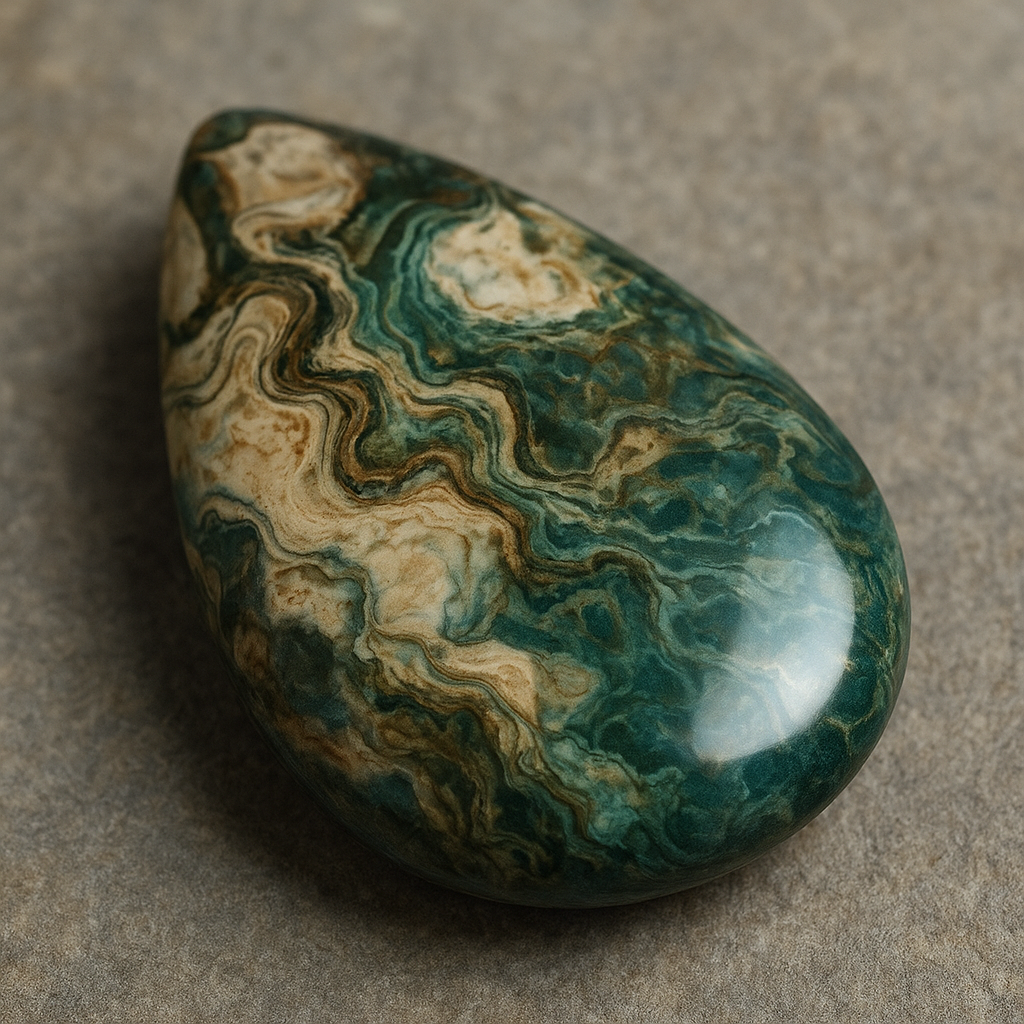
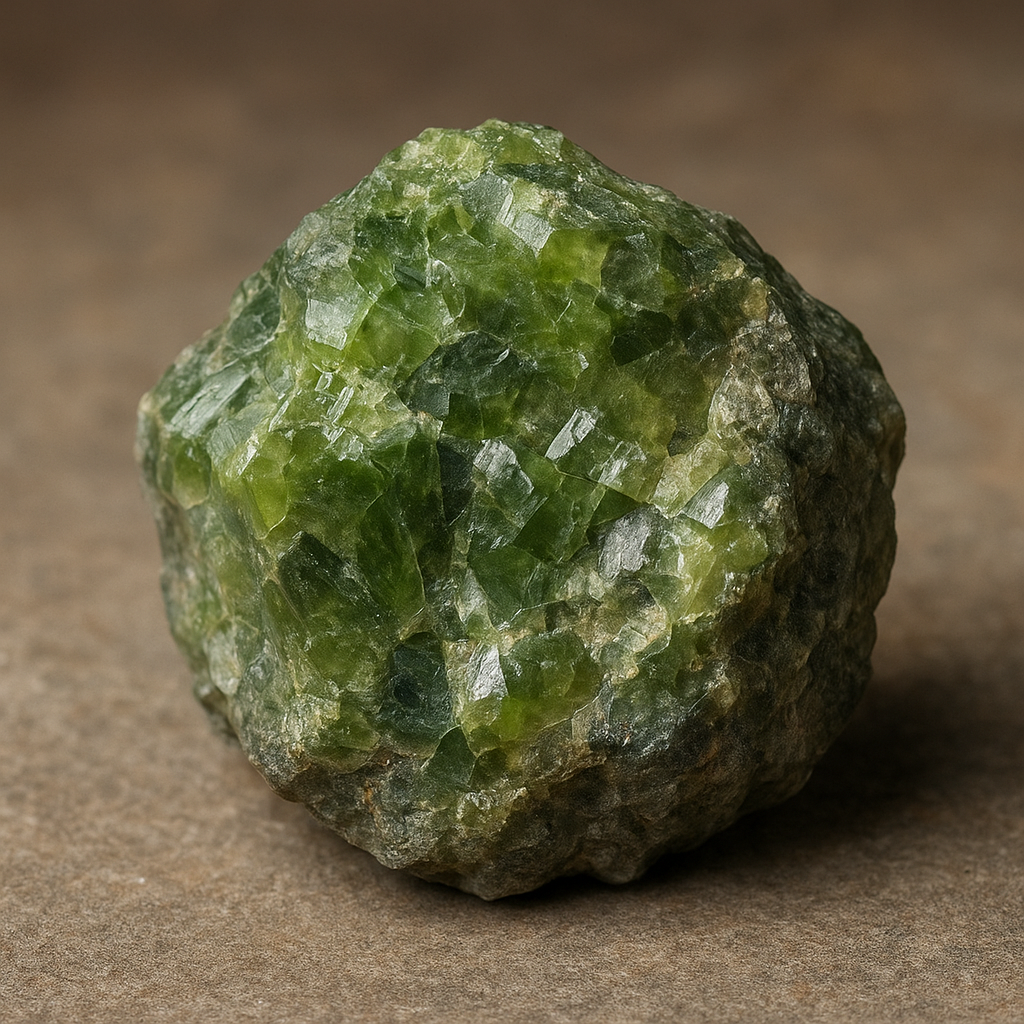
Chlorastrolite is a small, strikingly patterned mineral often admired by collectors and lapidaries for its unusual green hues and radiating, star-like structures. Found most famously along the shores and islands of Lake Superior, this stone combines geological intrigue with a long tradition of regional identity, craft, and conservation concerns. The following text explores its geology,

Chlorastrolite Read More »

Chalcopyrite

Chalcopyrite is a mineral that has shaped human industry and scientific inquiry for centuries. As the most important ore of copper, it occurs in a wide variety of geological settings and plays a central role in modern metallurgy, mining economies, and materials research. This article explores the mineral’s physical and chemical characteristics, where it is

Chalcopyrite Read More »

Chalcocite

Chalcocite is a striking and economically important copper-bearing mineral that has played a major role in the extraction of copper for more than a century. With the chemical formula Cu2S, chalcocite appears as dense, metallic-gray to black masses and is frequently encountered in enriched zones of copper deposits. This article explores its physical and chemical

Chalcocite Read More »

Chalcedony

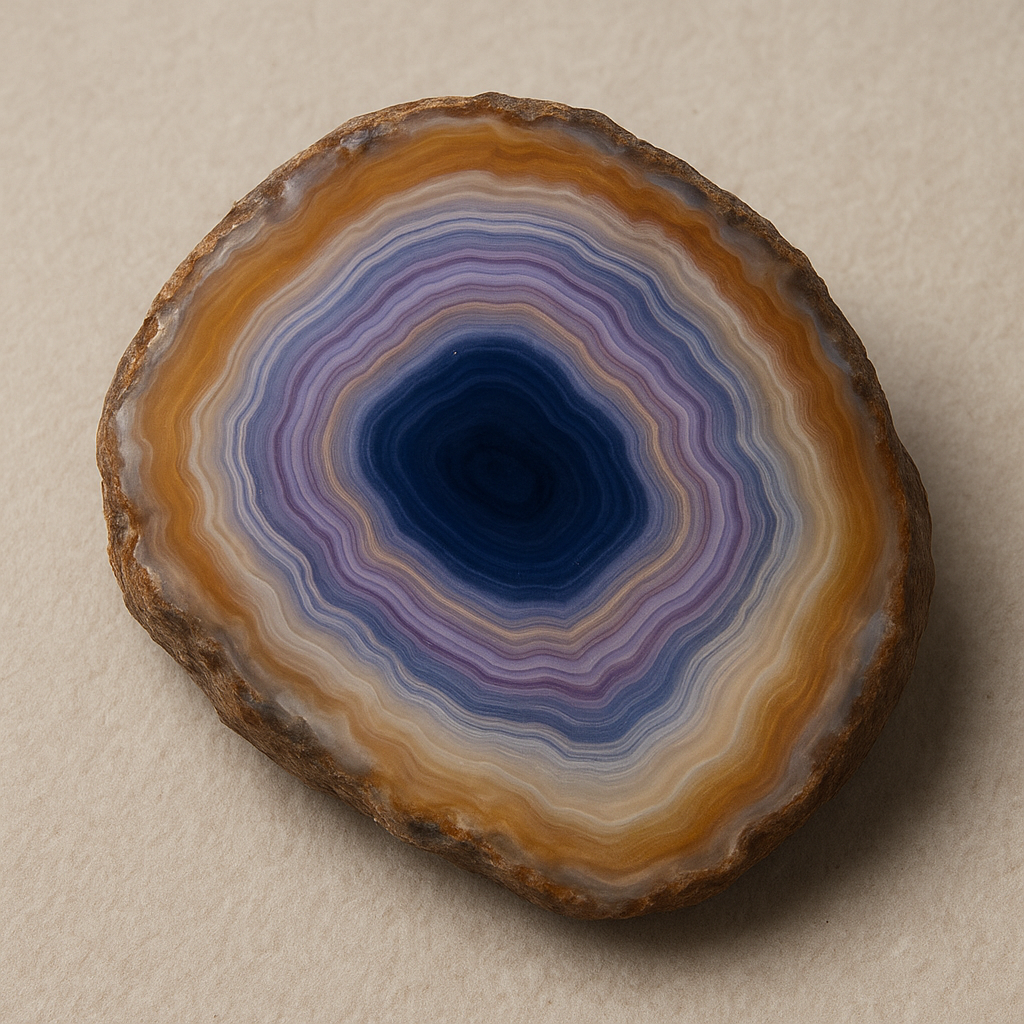
Chalcedony is a quietly fascinating mineral that sits at the crossroads of geology, art, history and culture. Its subtle translucency, pastel colors and capacity for fine polishing have made it a favorite of artisans and collectors for millennia. This article explores what chalcedony is, how and where it forms, the many ways humans have used

Chalcedony Read More »