Knowledge base

Orthoclase

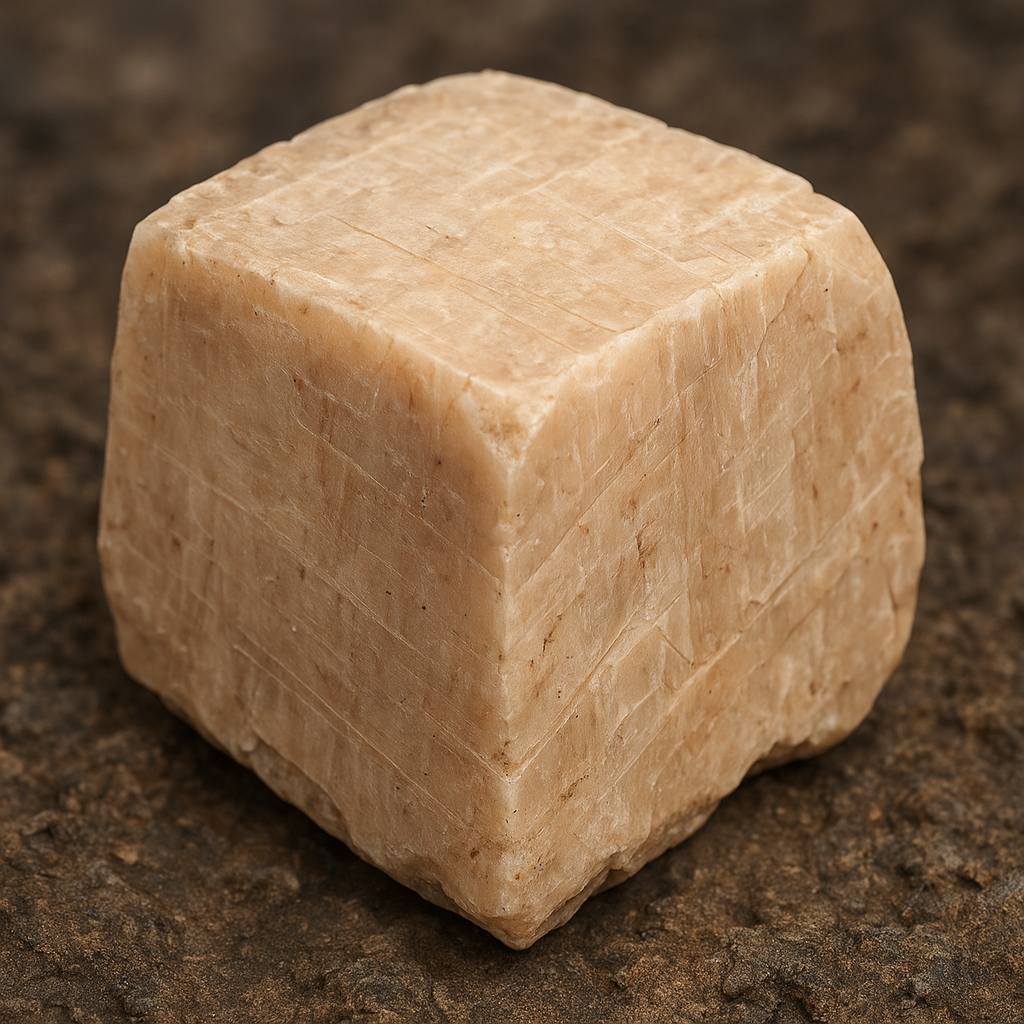
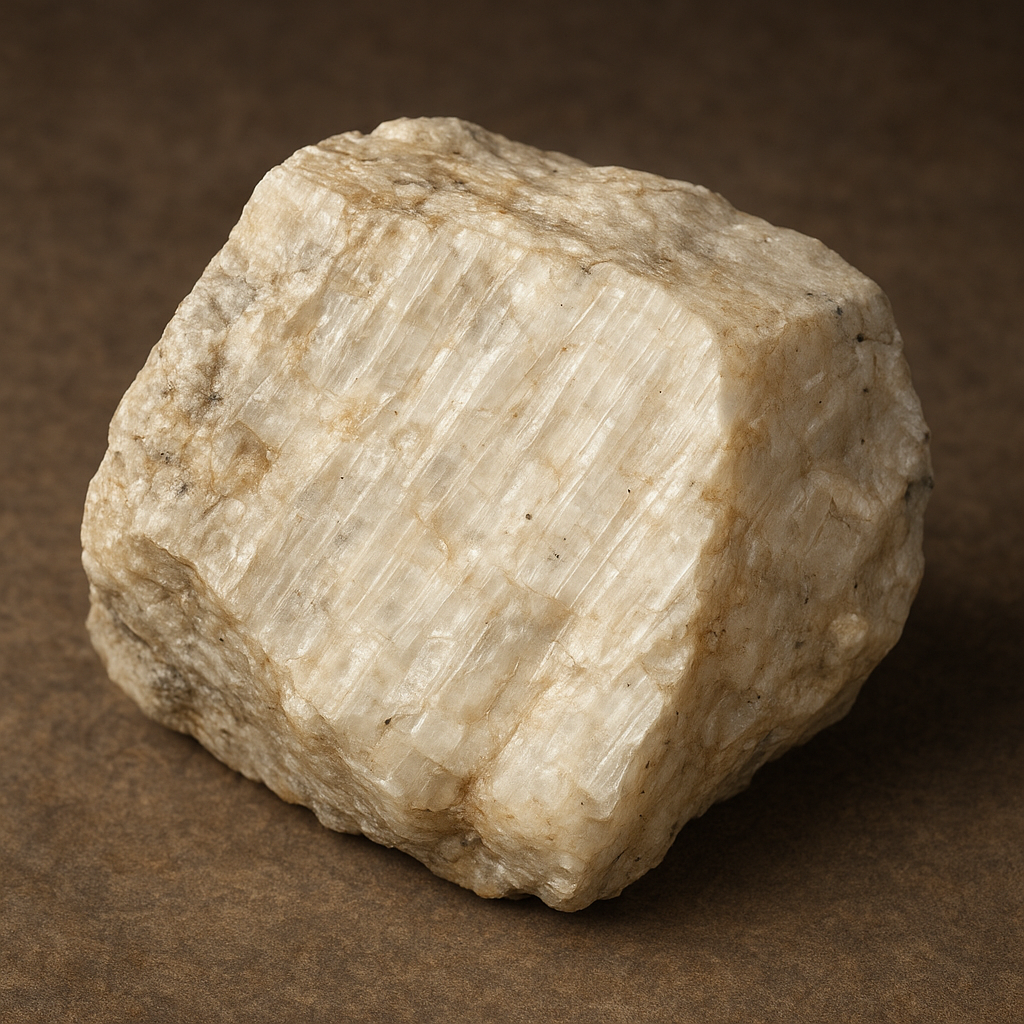
Orthoclase is one of the most familiar members of the alkali feldspar family, a mineral that quietly shapes the chemistry and appearance of many rocks and has found practical uses from industry to jewelry. In this article I will explore its physical and chemical nature, typical environments where it forms, its roles in industry and […]
Orthoclase Read More »

Orpiment

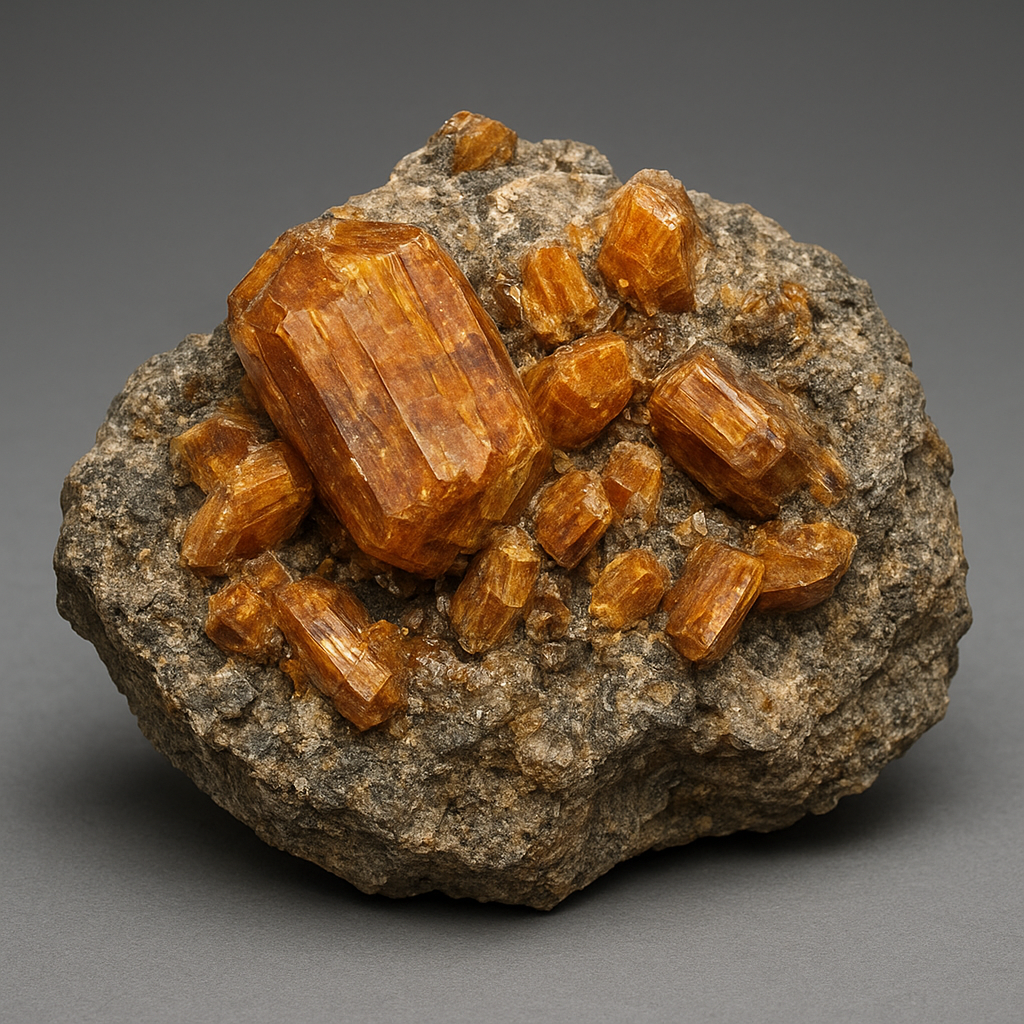
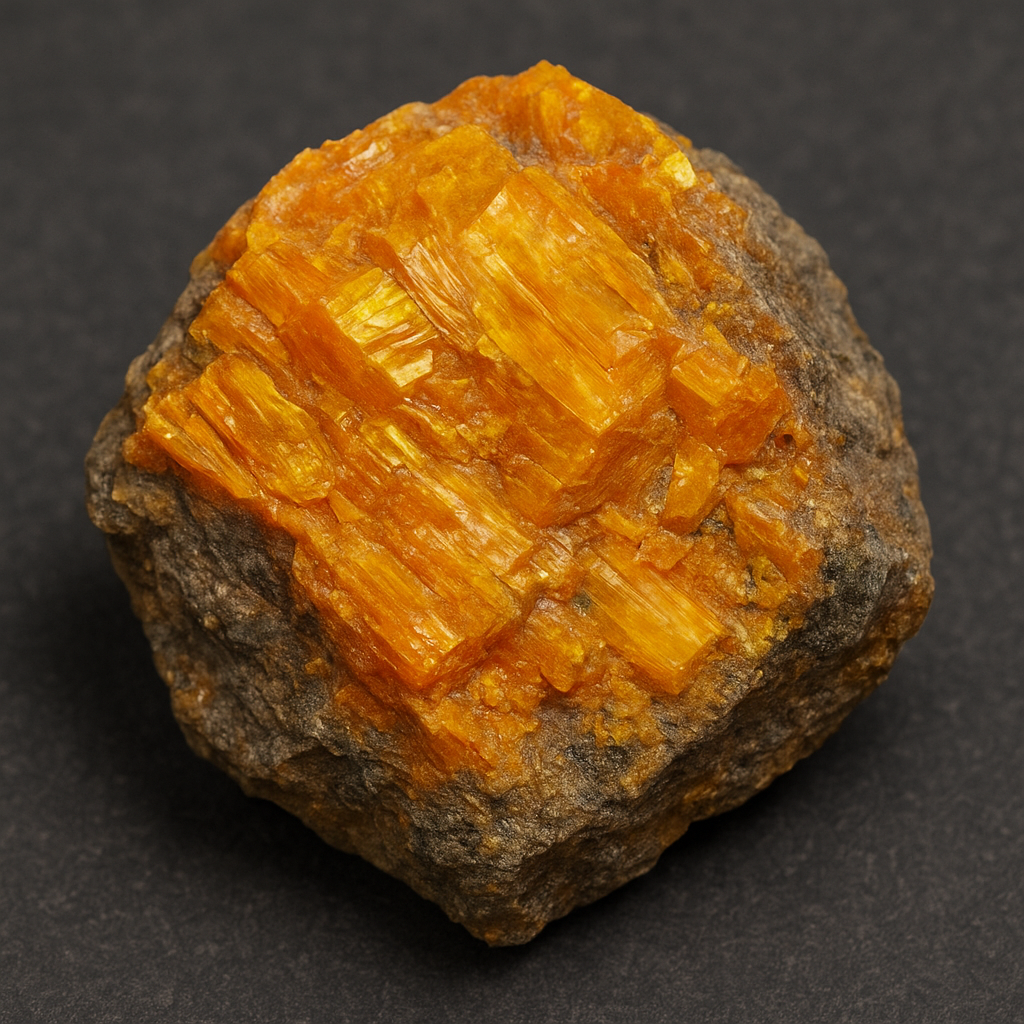
Orpiment is one of the most visually striking and scientifically intriguing sulphide minerals known to collectors, historians and materials scientists alike. Its vivid golden‑yellow to orange hues and distinctive texture have made it a subject of artistic fascination and technical interest for millennia. Beyond its appearance, orpiment embodies a complex story that links geology, toxicology,

Orpiment Read More »

Oligoclase

Oligoclase is a common and widely distributed member of the feldspar family that plays a central role in the makeup of the continental crust and in many human industries. It sits in the middle of the plagioclase solid-solution series and bridges the gap between sodium-rich and calcium-rich feldspars. The mineral’s physical appearance, its internal crystal

Oligoclase Read More »

Nuummite

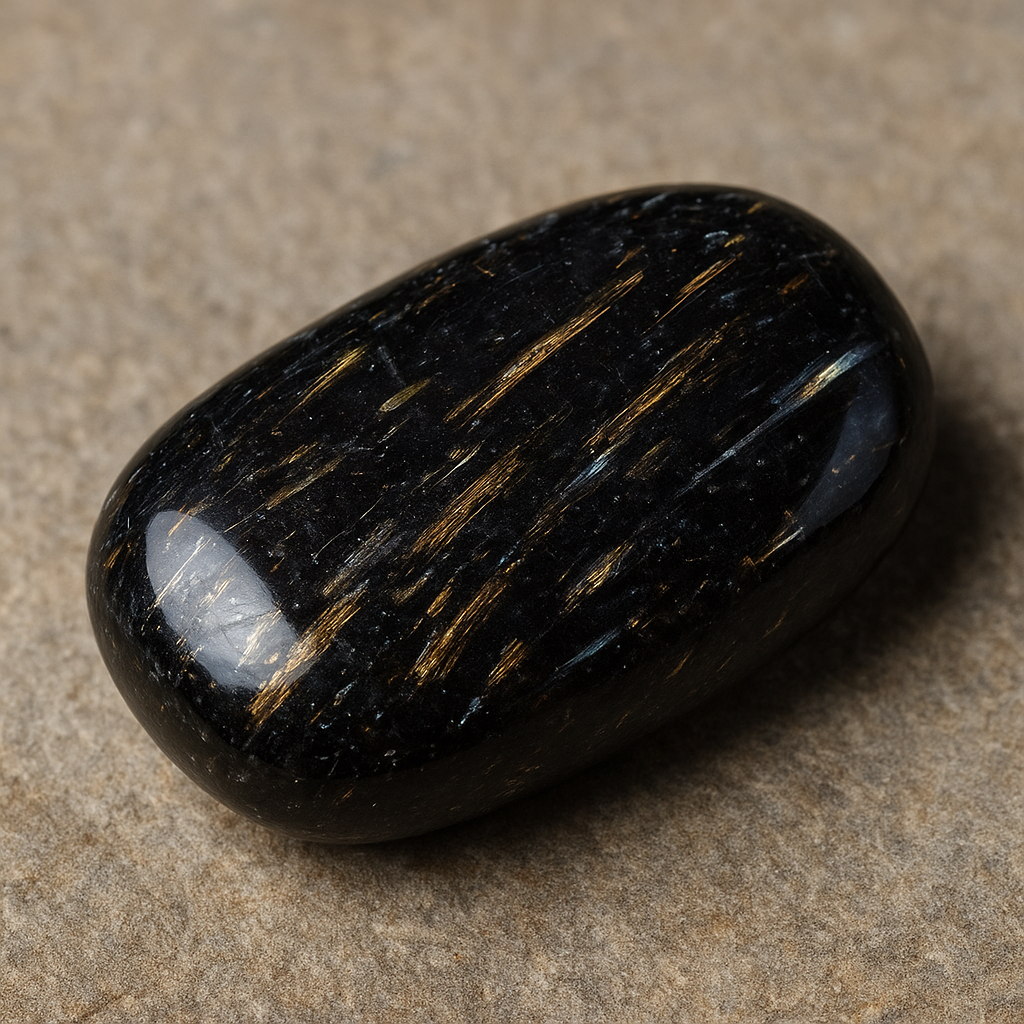
Nuummite is a striking and enigmatic natural material prized by collectors, jewelers, and geologists alike. Rare and visually arresting, it is known for deep, lustrous black backgrounds interrupted by flashes of color that seem to move beneath the surface. Beyond its aesthetic appeal, nuummite has a story that spans billions of years of Earth history

Nuummite Read More »

Nickeline

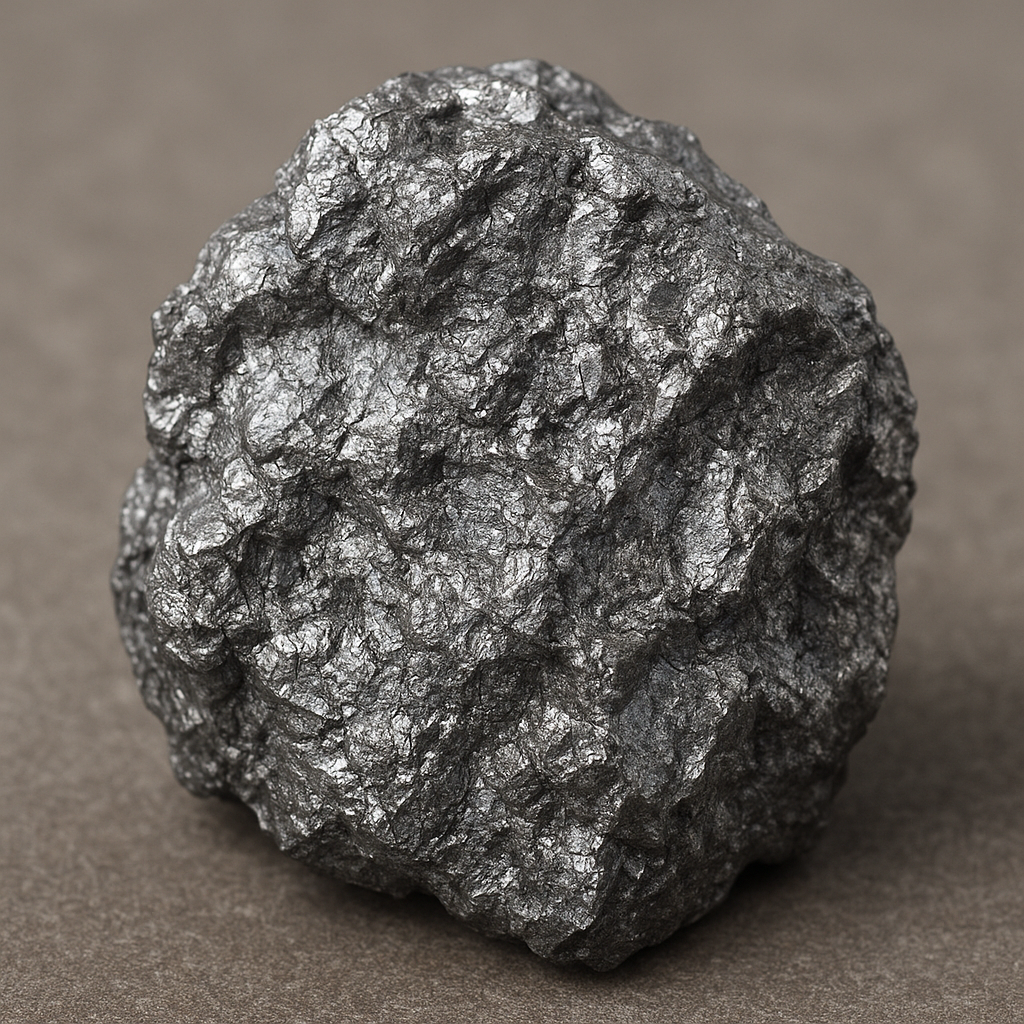
Nickeline is a striking and technically important mineral whose copper-red metallic appearance conceals a complex chemistry and a series of economic and environmental challenges. Its role in the story of nickel metallurgy, the behavior of arsenic-bearing ores, and the evolution of the Ni–As structural family makes it interesting to geologists, mineralogists, metallurgists and environmental scientists

Nickeline Read More »

Neptunite

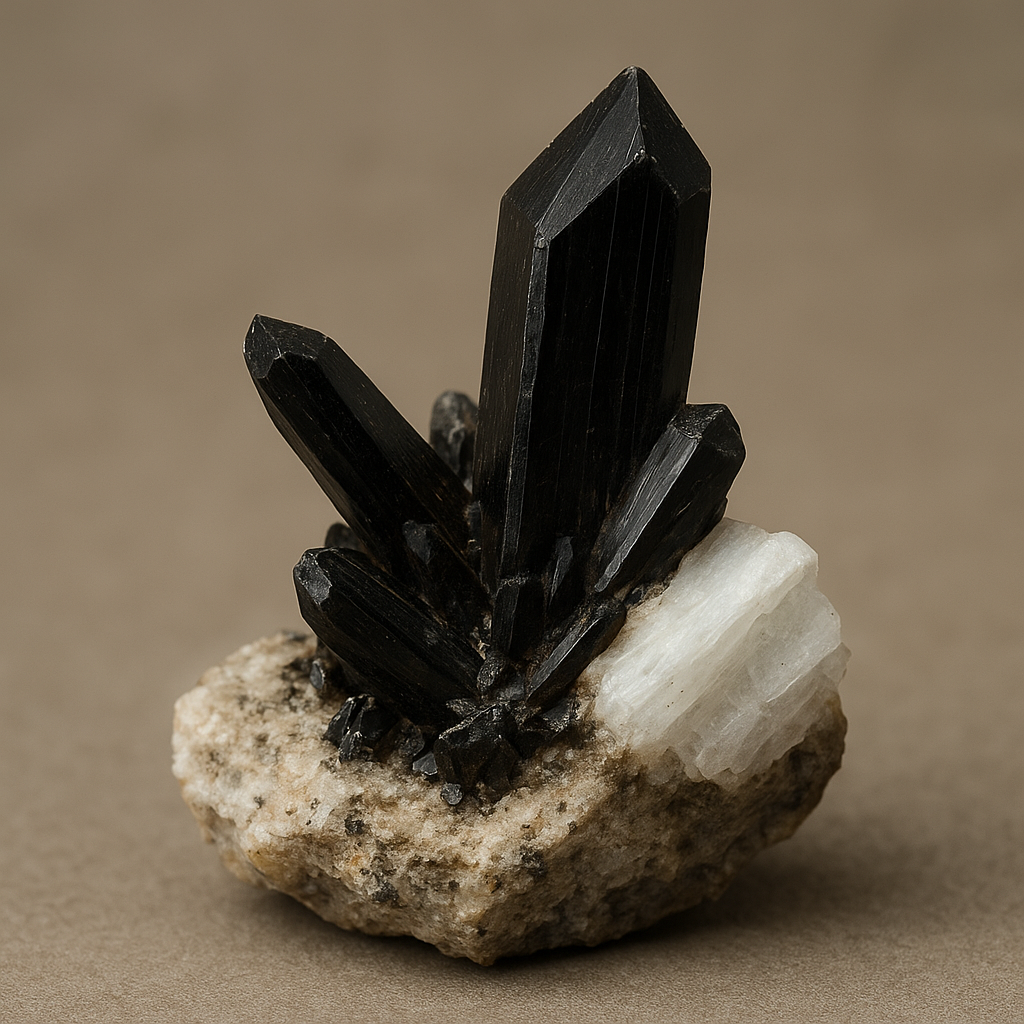
Neptunite is a striking and relatively rare mineral that has fascinated mineralogists, gem cutters, and collectors for more than a century. Although it rarely takes center stage like diamonds or sapphires, neptunite’s distinctive black, lustrous crystals and its close association with the famous blue gemstone benitoite give it a special place in the study of

Neptunite Read More »

Natrolite

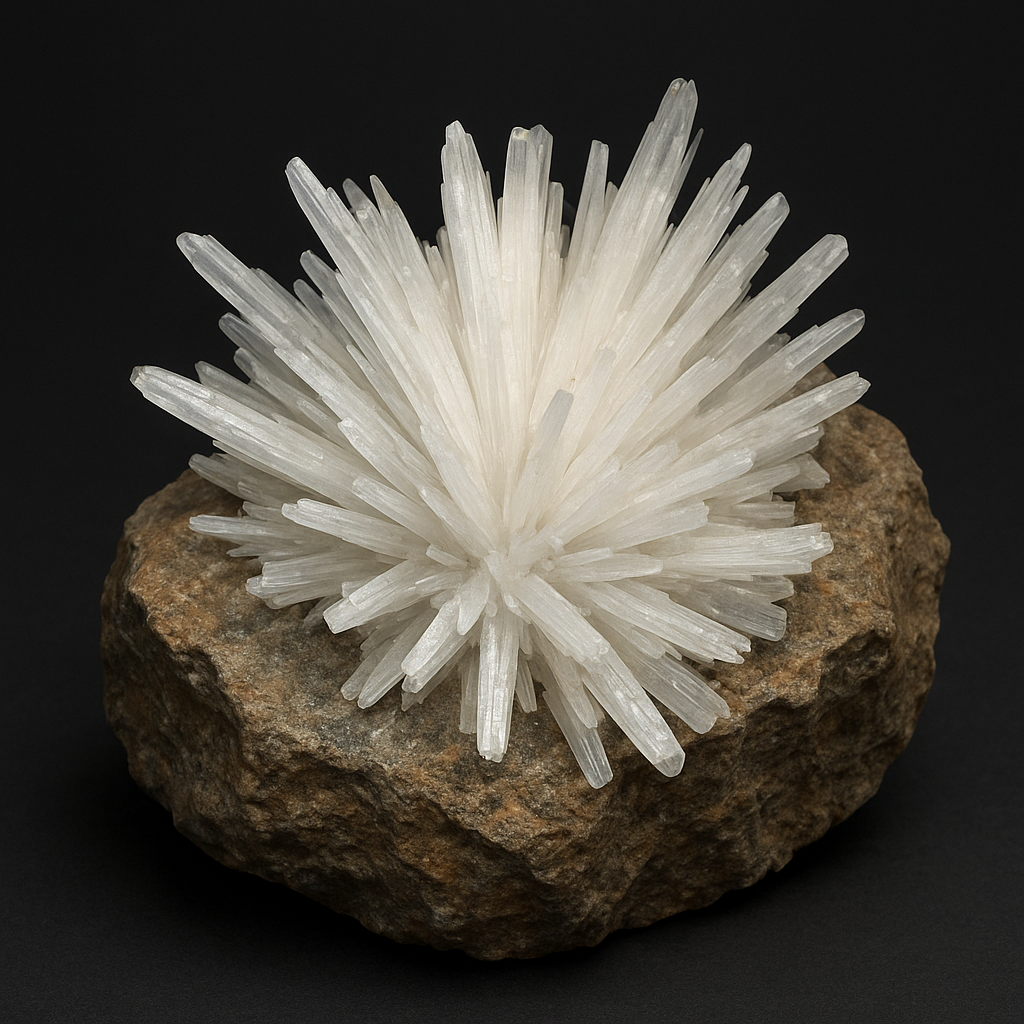
Natrolite is a fascinating member of the zeolite family whose delicate, often needle-like crystals, unique internal channels, and dynamic behavior under heat and moisture have attracted geologists, mineral collectors, and materials scientists alike. This article explores the mineral’s identity, how and where it forms, its structural and chemical properties, practical and research applications, and some

Natrolite Read More »

Muscovite

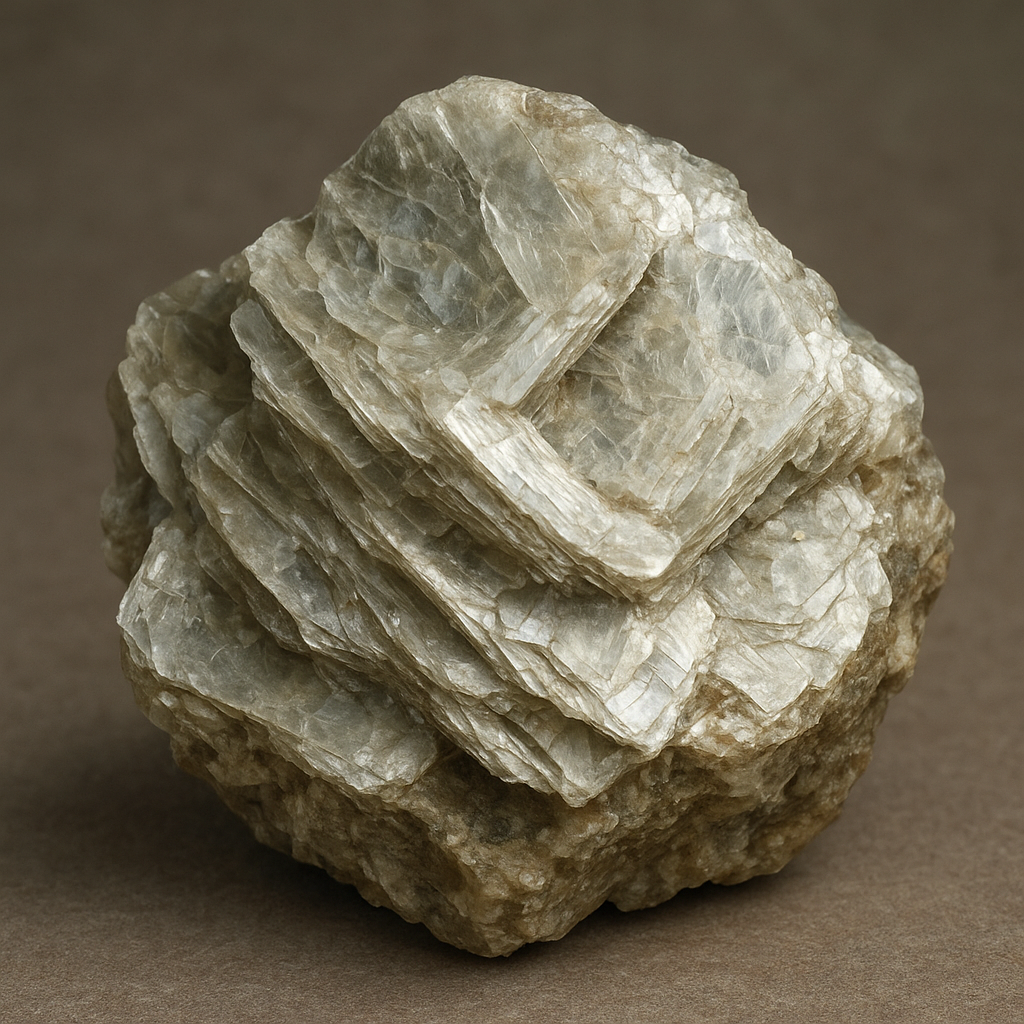
Muscovite is a common and versatile mineral whose influence crosses geology, industry and technology. Known for its thin, flexible sheets and remarkable combination of thermal, electrical and optical properties, muscovite has been used since antiquity and continues to find new roles in modern research and manufacturing. This article explores the mineral’s chemistry and structure, where

Muscovite Read More »

Mookaite

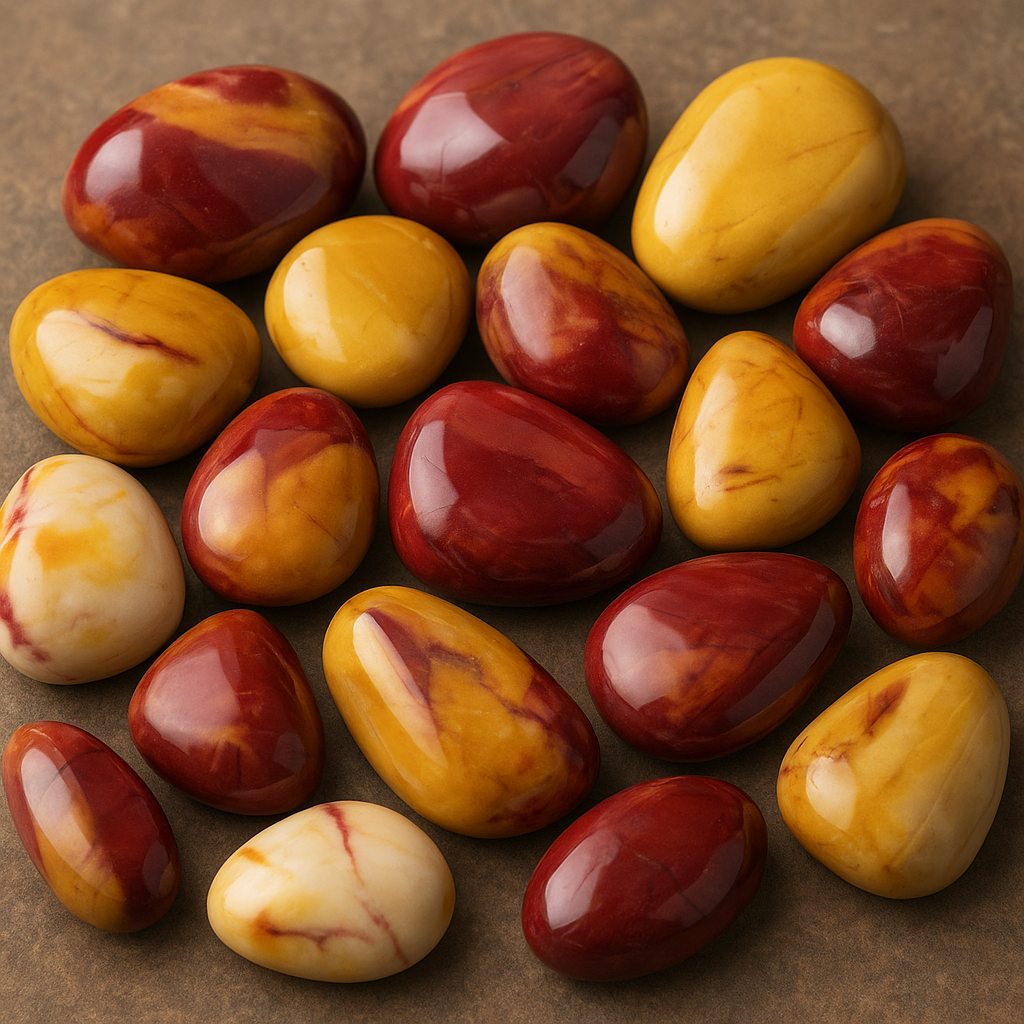
Mookaite is a colorful and striking variety of chalcedony prized by gem cutters, collectors and designers. This article explores the mineralogy, geography, uses and cultural context of this distinctive stone, describing where it forms, how it is worked, what to watch for when buying and selling, and several interesting connections to related fields such as

Mookaite Read More »

Monazite

Monazite is a distinctive and economically important phosphate mineral that hosts a suite of heavy rare-earth and radioactive elements. Found in a range of geological settings from ancient continental shields to coastal placers, it has played a key role in the development of modern technologies and in geological science. This article explores where monazite occurs,

Monazite Read More »