Knowledge base

Alexandrite

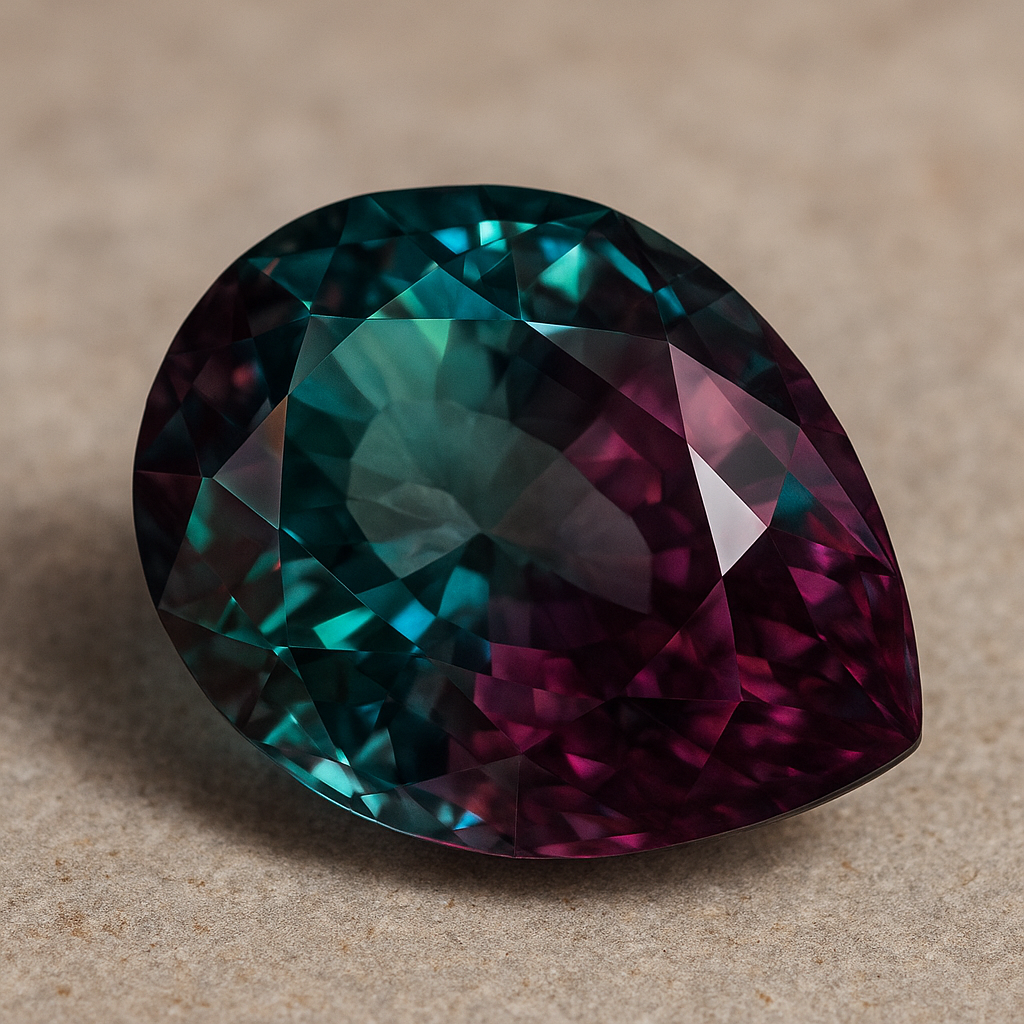
The mineral known as alexandrite has captured the imagination of gem lovers, scientists and collectors for nearly two centuries. Famous for its dramatic and often mysterious optical behavior, this relatively rare form of chrysoberyl offers a natural spectacle: under daylight it commonly appears greenish, while in incandescent light it can look reddish. That striking color-change […]
Alexandrite Read More »

Albite

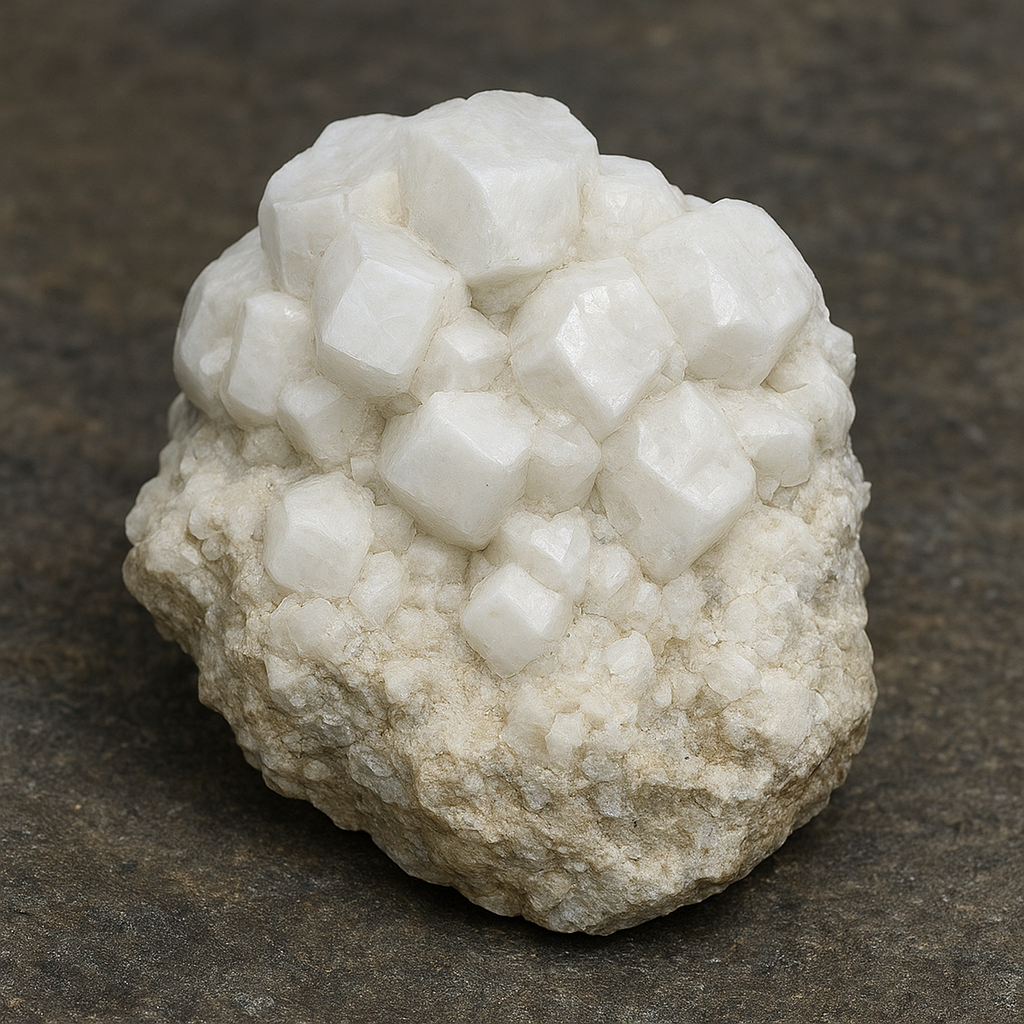
Albite is a common and versatile mineral whose presence weaves through the story of the Earth’s crust. This sodium-rich member of the feldspar family plays a key role in igneous, metamorphic and sedimentary processes, and carries both scientific importance and practical value. The following article explores where albite occurs, how it is used in industry

Albite Read More »

Alabaster

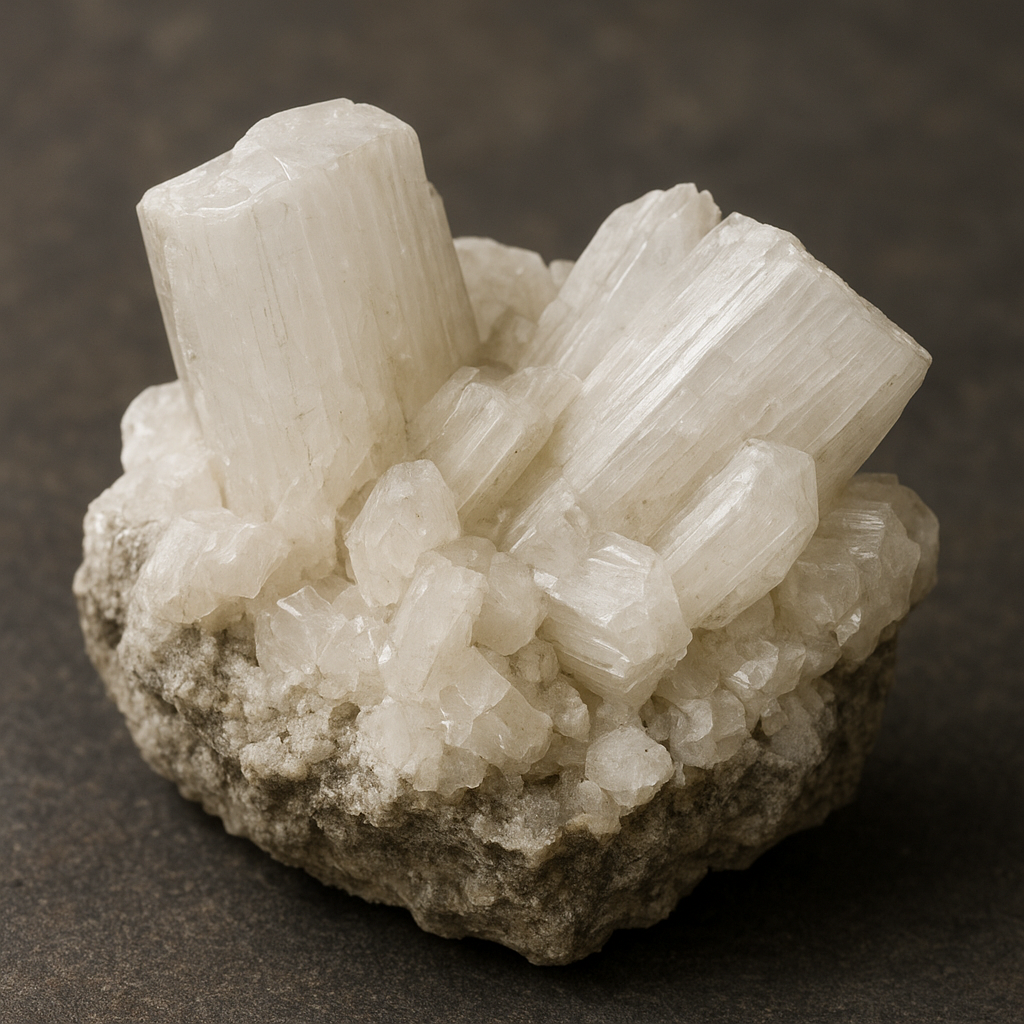
Alabaster has captivated human hands and eyes for millennia, prized for its soft workability and delicate beauty. This article explores the geology, uses, cultural history and practical aspects of working with and conserving this material. You will learn where it occurs, how it differs depending on composition, and why artists and craftsmen continue to choose

Alabaster Read More »

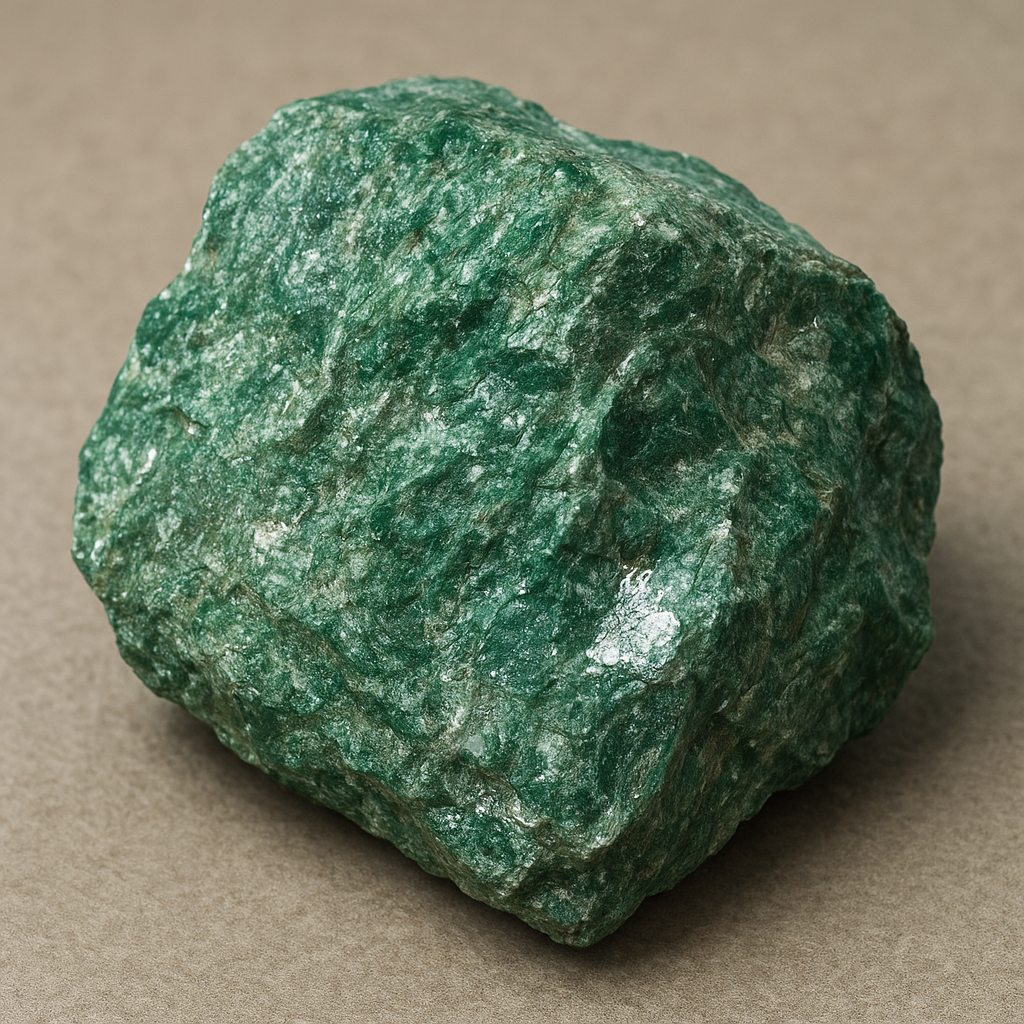
Fuchsite – (mineral)

Fuchsite is a striking green member of the mica family whose vivid color and delicate flaky habit make it attractive to collectors, lapidaries, and researchers alike. This chromium‑rich variety of muscovite combines familiar physical properties of micas—perfect cleavage, pearly luster and flexible sheets—with a distinctive emerald to apple‑green hue caused by chromium substitution. Beyond aesthetics,

Fuchsite – (mineral) Read More »

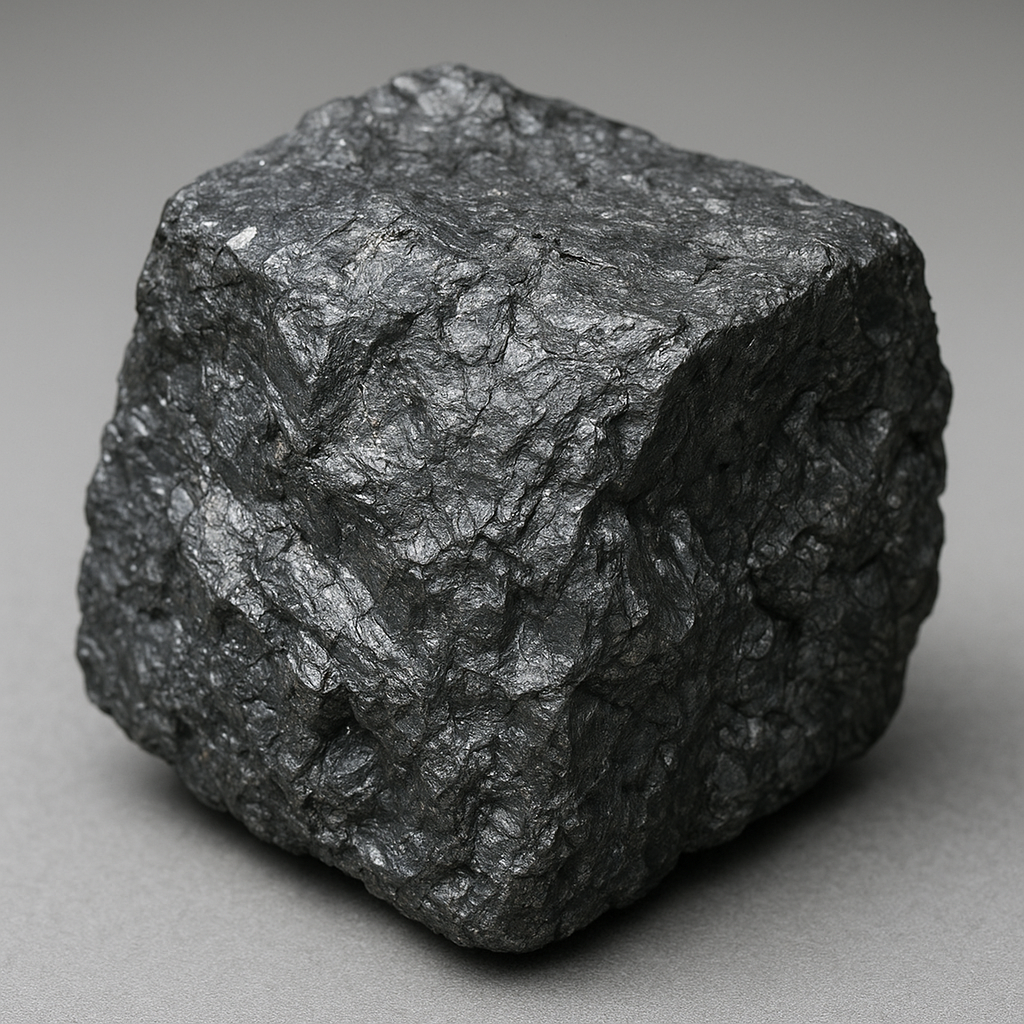
Graphite – (mineral)

Graphite is a fascinating and versatile mineral that has shaped technologies from the simple household pencil to advanced energy storage systems. With a unique combination of physical and chemical properties, it occupies an essential position in modern industry, research and everyday life. This article explores where graphite occurs in nature, how it is processed and

Graphite – (mineral) Read More »

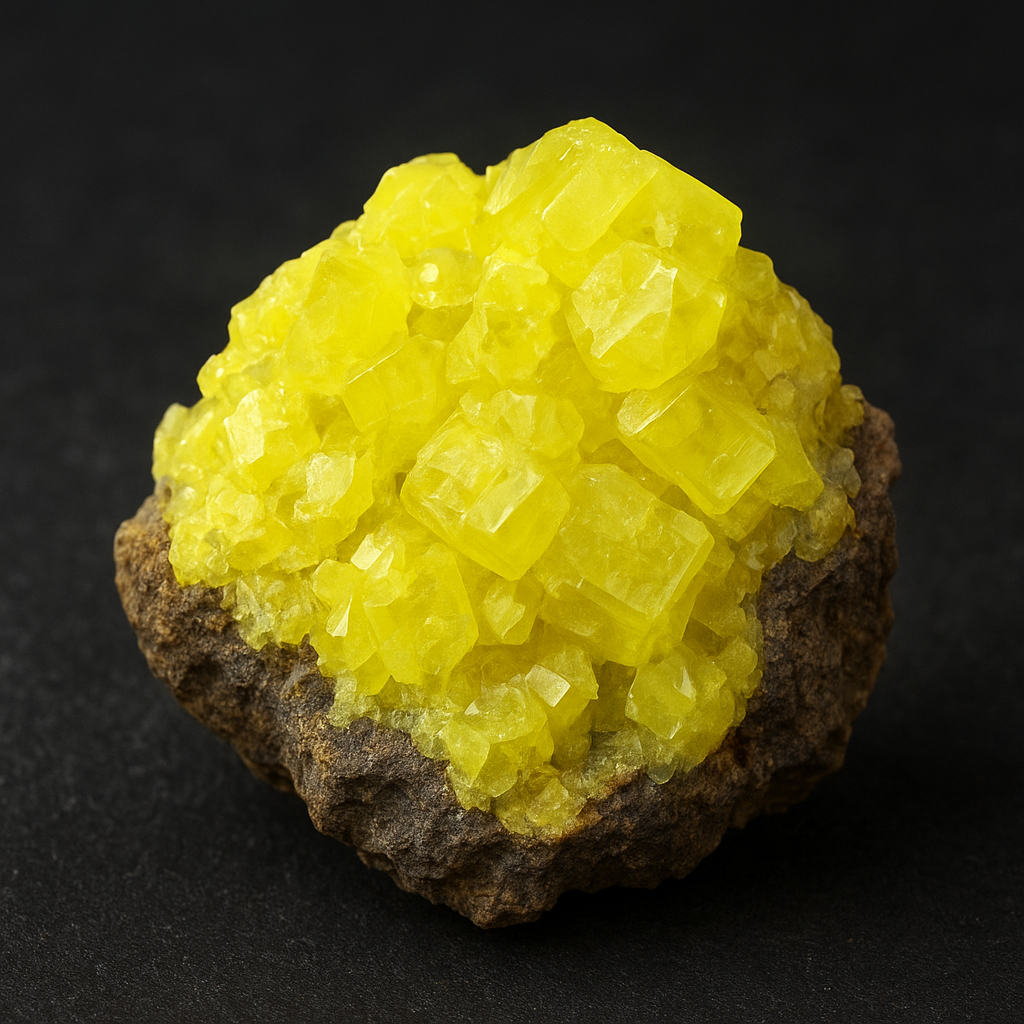
Sulfur – (mineral)

Sulfur is a fascinating and ancient mineral with a bright history and modern relevance. Beyond its familiar yellow crystals, sulfur plays a central role in ecosystems, industry and culture. This article explores where sulfur is found, how it is formed and extracted, and the many uses and implications of this versatile sulfur in natural and

Sulfur – (mineral) Read More »

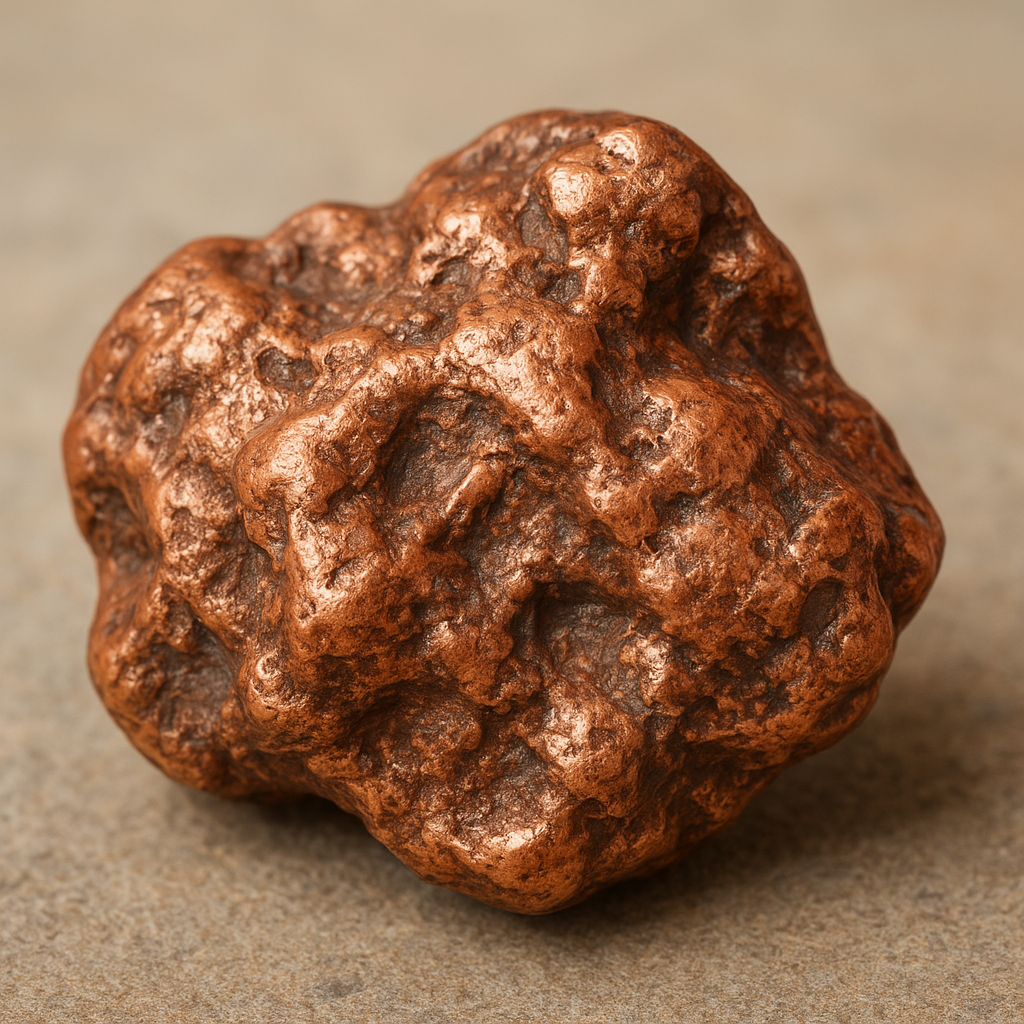
Copper Nugget – (native metal)

The natural occurrence of native copper in the form of nuggets and masses has fascinated geologists, miners, historians and collectors for centuries. This article explores the geological origins, global distribution, physical properties, applications and cultural significance of copper in its native metallic state. Along the way you will encounter scientific details, practical uses and some

Copper Nugget – (native metal) Read More »

Bismuth – (mineral)

Bismuth is an often-overlooked but fascinating mineral and native metal with a range of geological occurrences, unusual physical and chemical properties, and growing industrial and scientific applications. This article explores where bismuth is found, how it behaves in nature and in the laboratory, the processes used to extract and refine it, its principal and emerging

Bismuth – (mineral) Read More »

Magnesite – (mineral)

Magnesite is a mineral with a deceptively simple chemical formula yet a complex and varied role across geology, industry and emerging technologies. Formed in several geological settings and valued primarily as a source of magnesium and magnesium oxide, this carbonate mineral has been used for centuries and is now central to high-temperature industries, environmental applications

Magnesite – (mineral) Read More »

Lepidolite – (mineral)

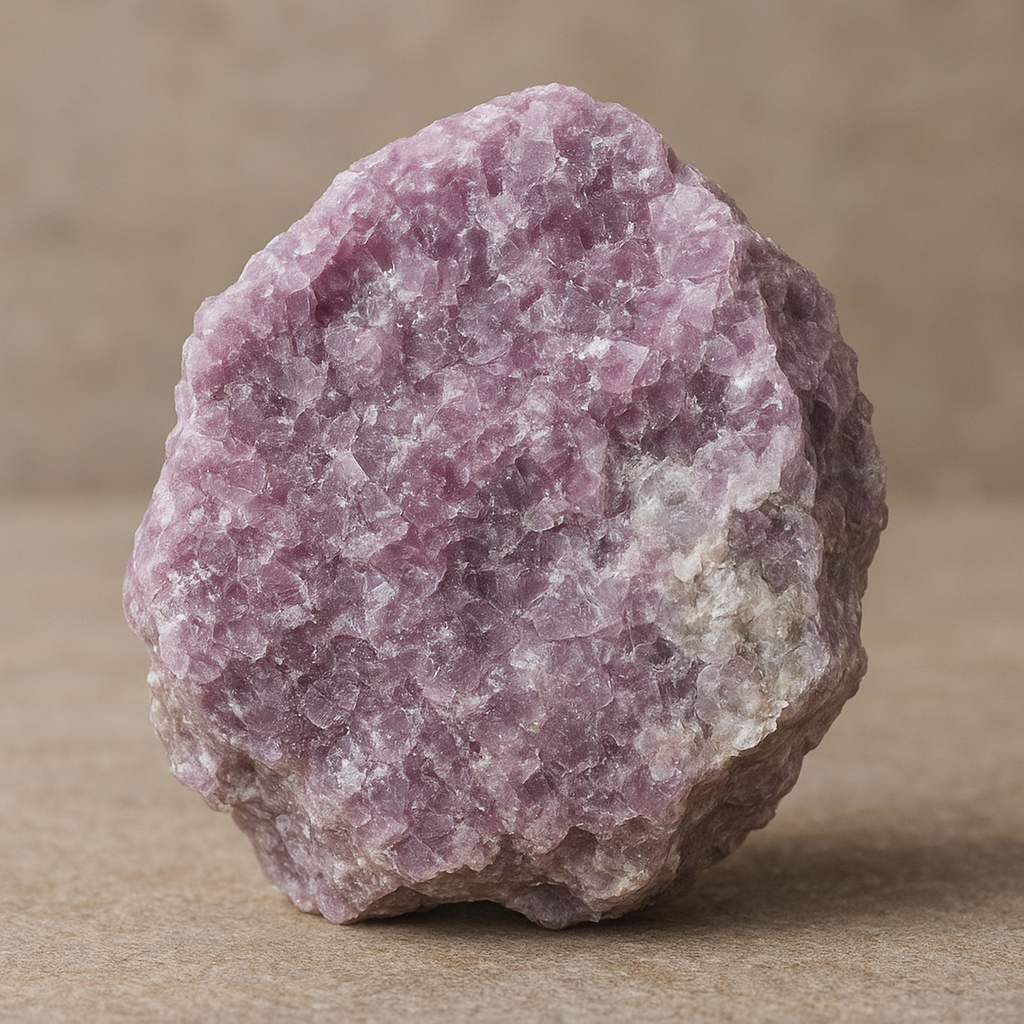
Lepidolite is a visually striking, mica-group mineral valued both by collectors and industry. Recognized for its lavender to rose-violet hues and flaky, scaly habit, it is an important source of several alkali metals and is intimately tied to the geology of Li-bearing granitic systems. This article explores the mineral’s chemistry and physical characteristics, its geological

Lepidolite – (mineral) Read More »