Knowledge base

Roselite

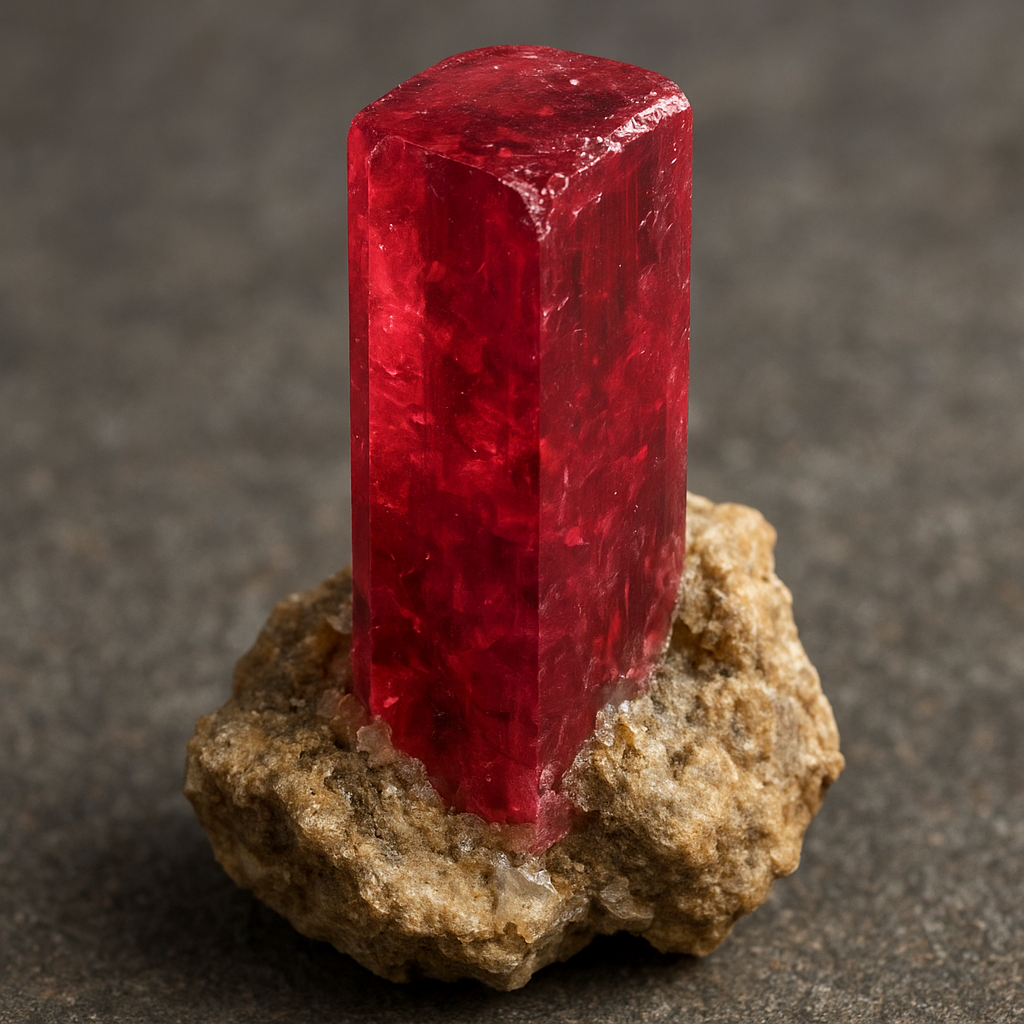
Roselite is a captivating and relatively rare mineral that draws attention for its delicate pink to rose-red hues and its role as an indicator of cobalt- and arsenic-bearing geological environments. Although it rarely appears in quantities useful for extraction, roselite fascinates mineralogists, collectors, and environmental scientists alike. In the following sections you will find a […]
Roselite Read More »

Red Beryl

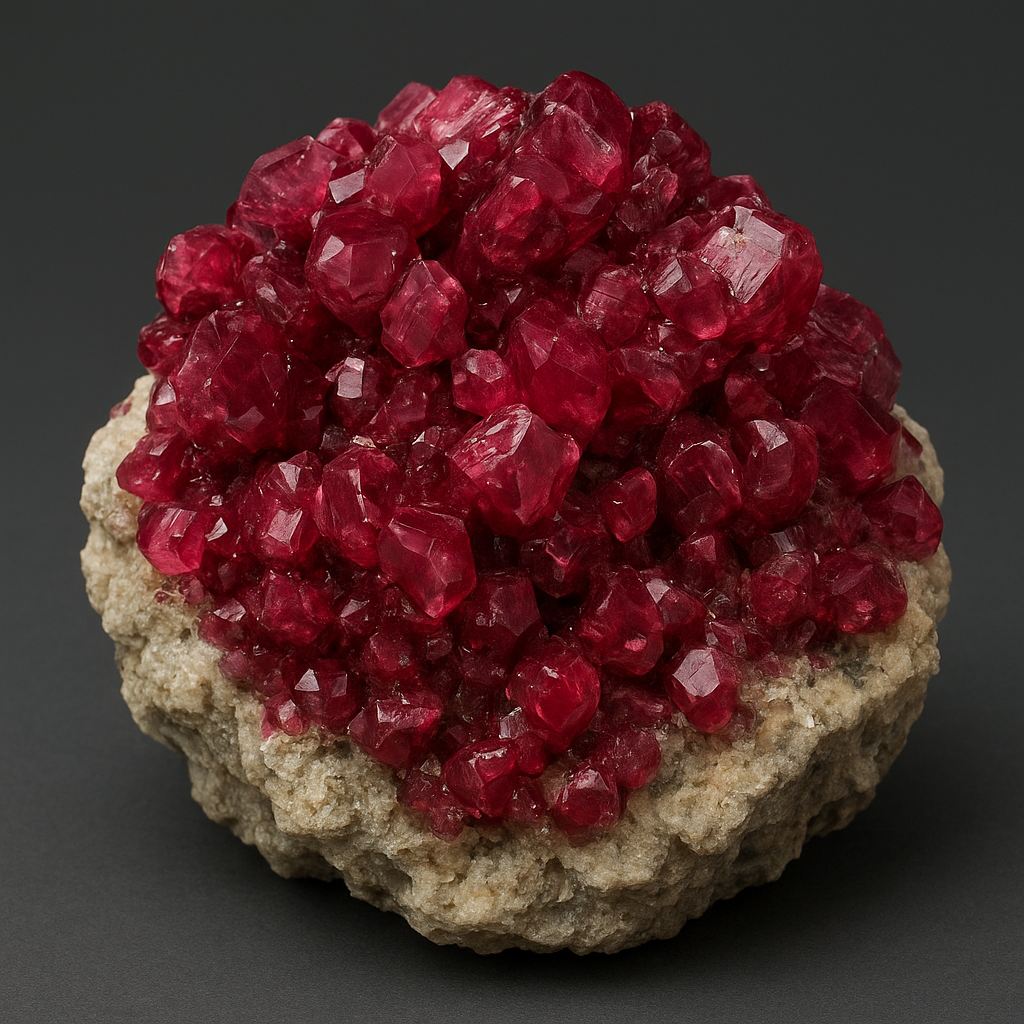
The mineral known to gem dealers and collectors as red beryl occupies a unique niche between scientific curiosity and high-value gemstone. Its striking red hue, extreme rarity, and geological specificity make it one of the most sought-after and least understood members of the beryl family. This article explores the mineral’s identity and origins, where it

Red Beryl Read More »

Realgar

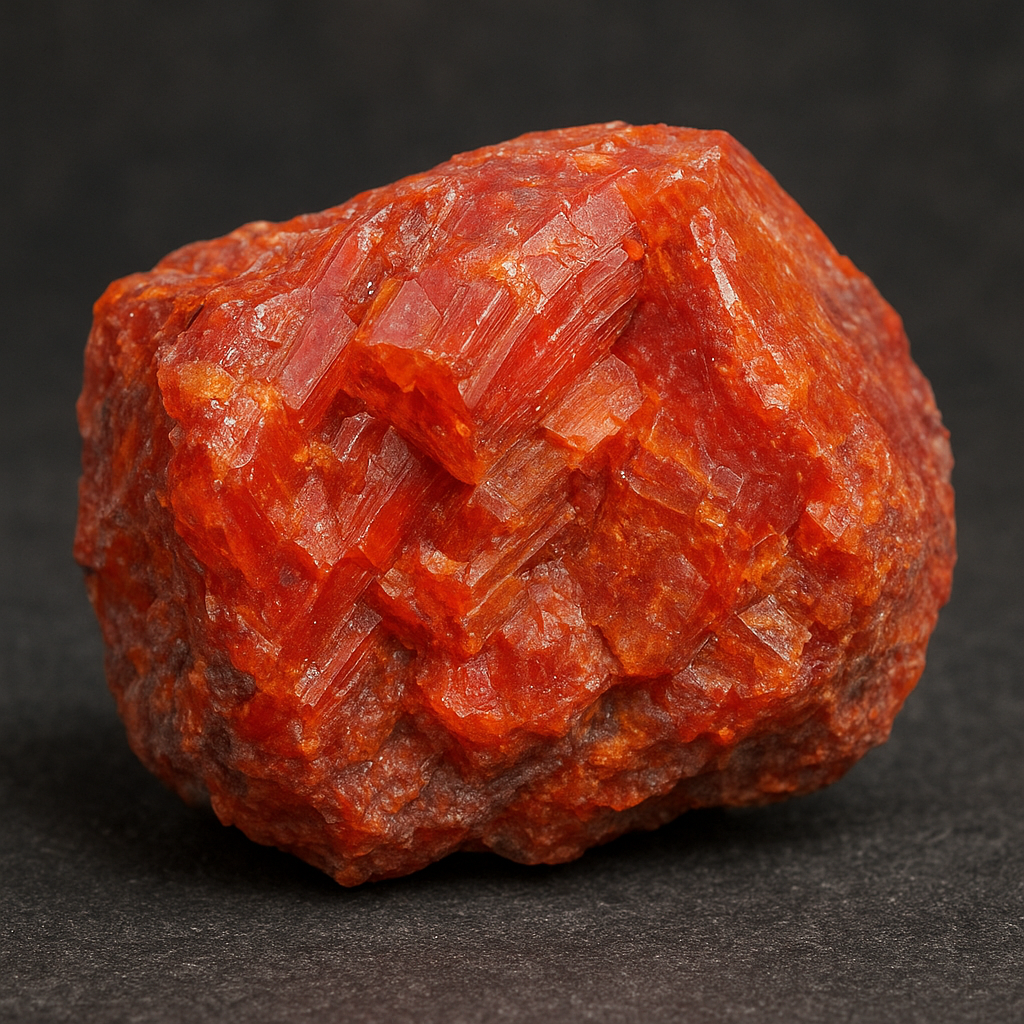
Realgar is a mineral that has fascinated collectors, chemists and historians for centuries. Bright, reddish-orange and distinctly eye-catching, it carries a dramatic mixture of usefulness and hazard: a striking appearance linked to its chemical identity as an arsenic sulfide, and a long history of both practical applications and toxic consequences. This article explores where realgar

Realgar Read More »

Quartz Cat’s Eye

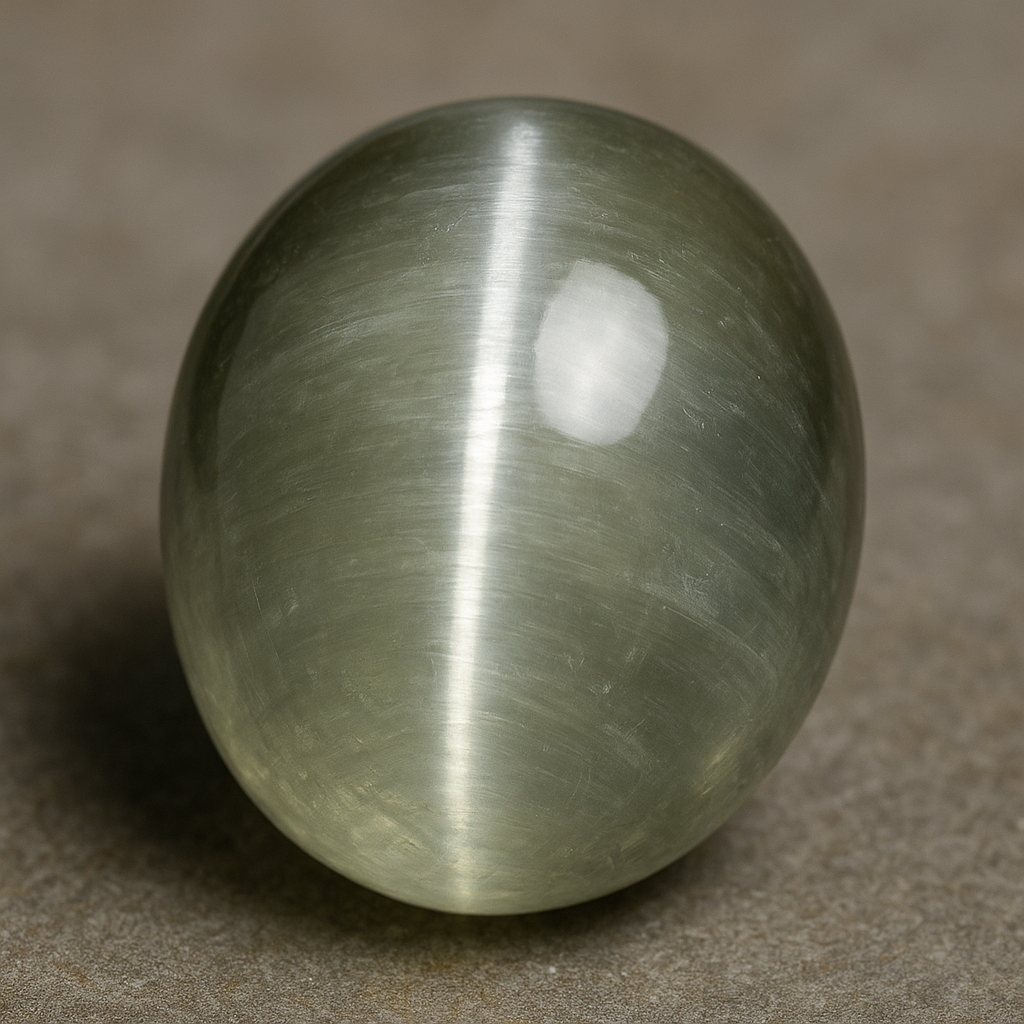
Quartz Cat’s Eye is a fascinating variation of quartz that displays a narrow, moving band of reflected light reminiscent of a cat’s pupil. This optical phenomenon, known as chatoyancy, turns an otherwise ordinary mineral into an eye-catching gemstone prized by collectors and jewelers. In the paragraphs that follow, we will explore how this effect forms,

Quartz Cat’s Eye Read More »

Pyrophyllite

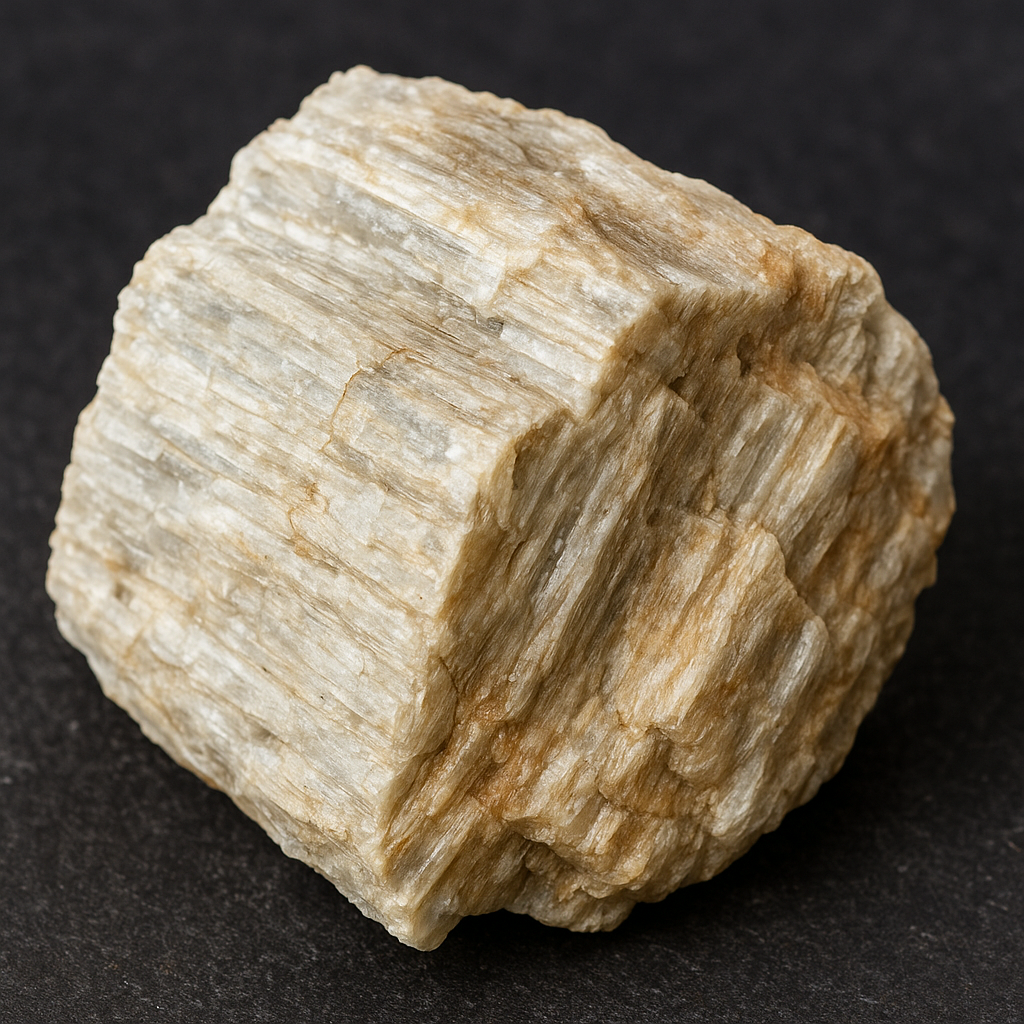
Pyrophyllite is a quiet but remarkably versatile mineral whose physical properties and chemical stability have made it useful across a range of industries for more than a century. Often overlooked in favor of more famous minerals, pyrophyllite combines a soft, talc-like feel with high thermal stability and a layered crystal structure that gives it unique

Pyrophyllite Read More »

Pyromorphite

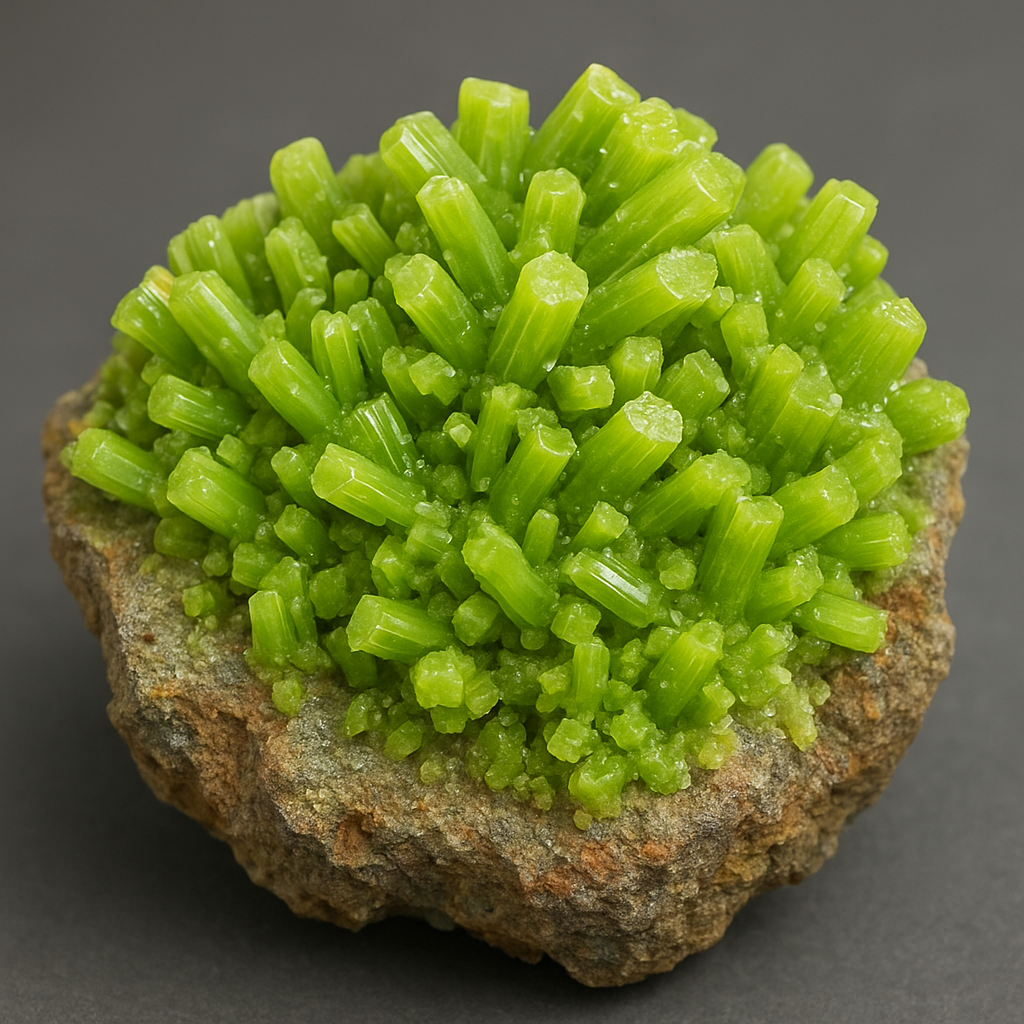
Pyromorphite is a captivating and often brilliantly colored secondary lead phosphate mineral that has fascinated mineralogists, collectors, and environmental scientists alike. Its striking crystalline forms, range of vivid hues, and important role in immobilizing toxic lead in the environment make it both scientifically significant and visually appealing. In this article, we will explore pyromorphite’s chemistry

Pyromorphite Read More »

Purpurite

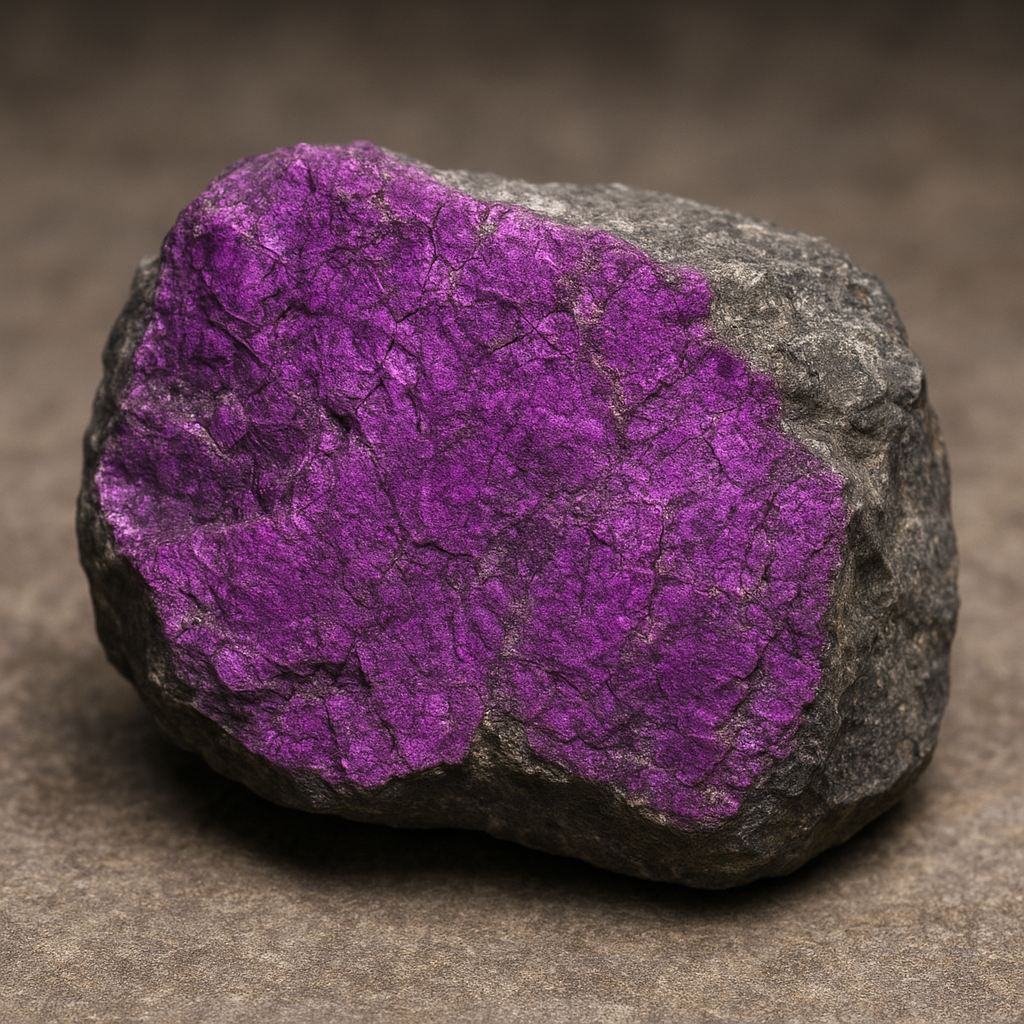
Purpurite is a striking and relatively uncommon mineral prized for its deep violet to reddish-purple hues and its intimate connection to the geochemical cycles of manganese and phosphorus. Though it rarely appears as flawless crystals, purpurite captures the attention of mineralogists, lapidaries and collectors alike because of its color, its formation as a secondary phosphate

Purpurite Read More »

Pumpellyite

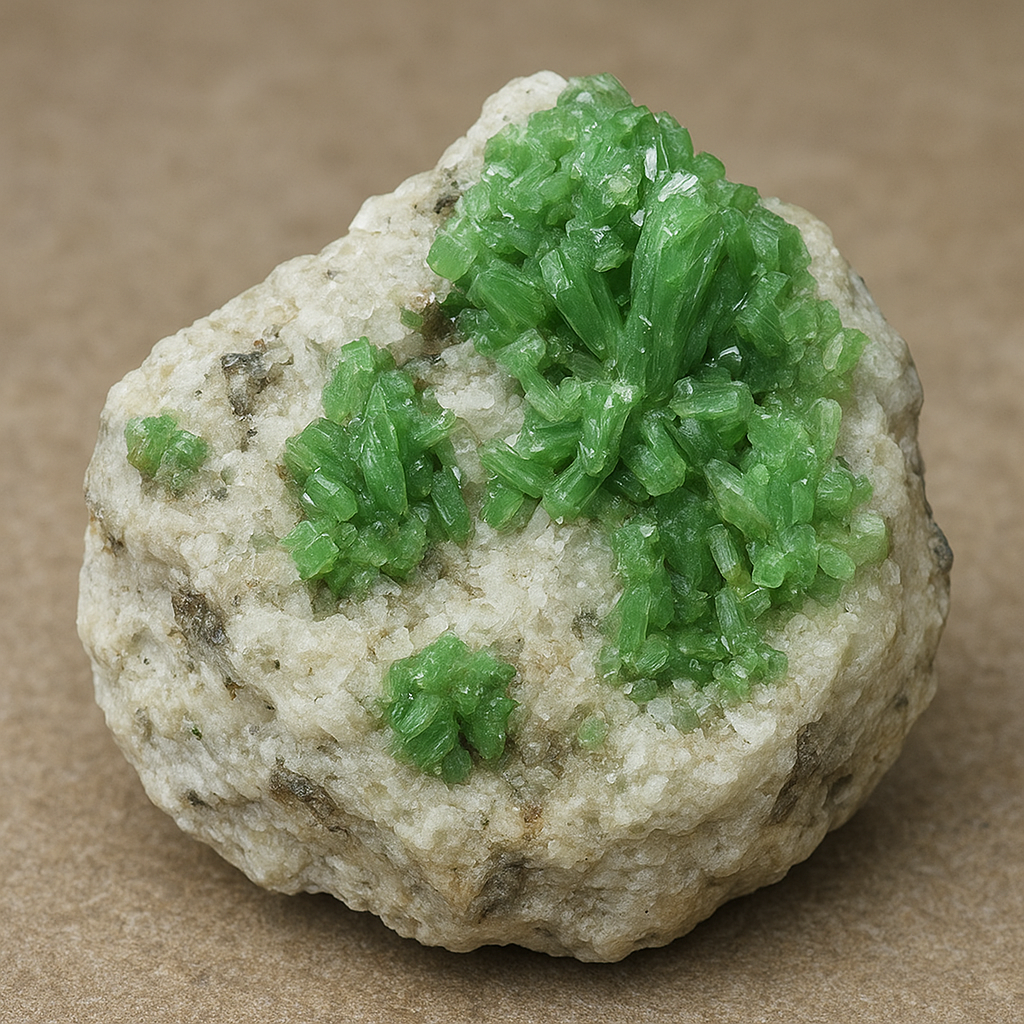
Pumpellyite is a lesser-known but scientifically valuable mineral that often appears as green, bladed or fibrous crystals in low-grade metamorphic rocks and altered volcanic terrains. Although it rarely reaches the public fame of quartz or feldspar, it plays a key role in the interpretation of metamorphic conditions and fluid-rock interactions. In this article I will

Pumpellyite Read More »

Psilomelane

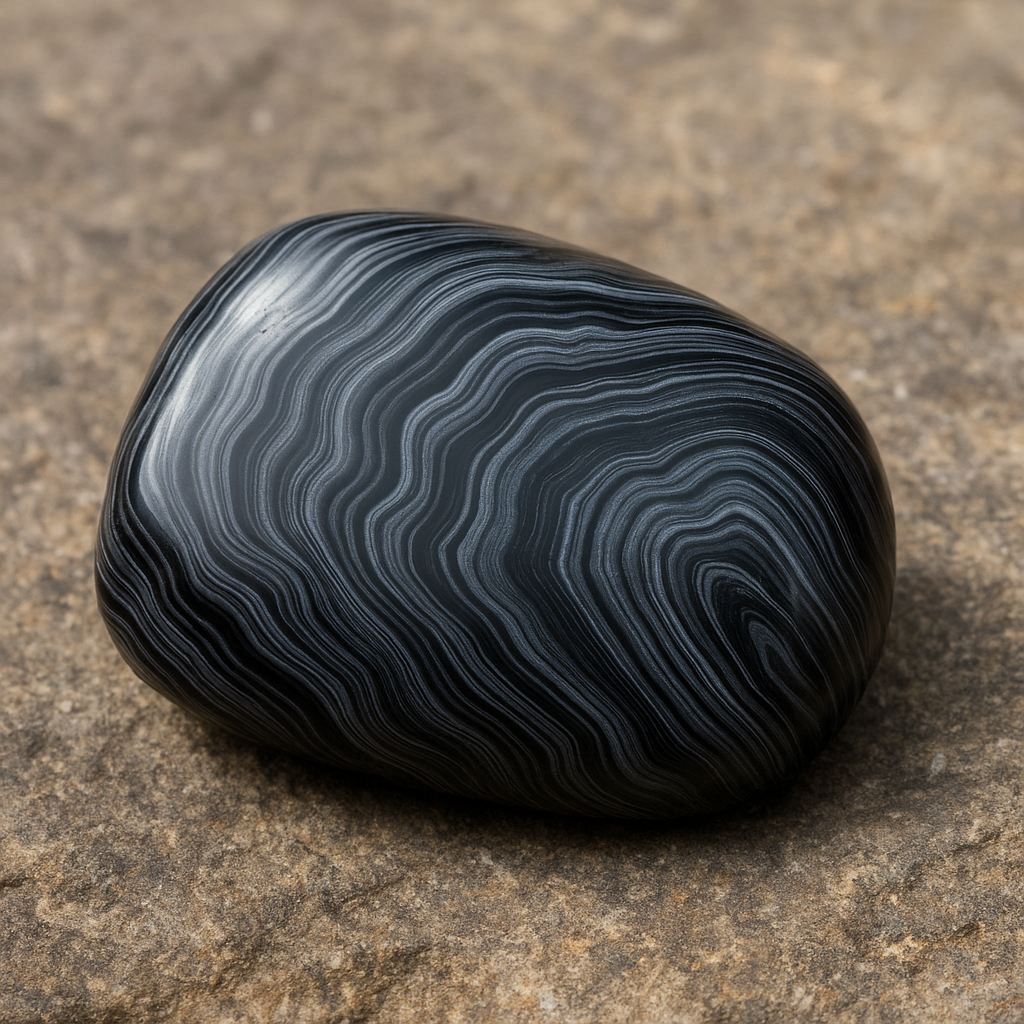
Psilomelane is a historical name applied to a group of hard, black, and often botryoidal manganese oxides. Though modern mineralogy has refined and split the material commonly called psilomelane into distinct species such as romanechite, cryptomelane and hollandite, the rock and ore known by that vernacular still appears in geological reports, museum labels and mining

Psilomelane Read More »

Pseudomalachite

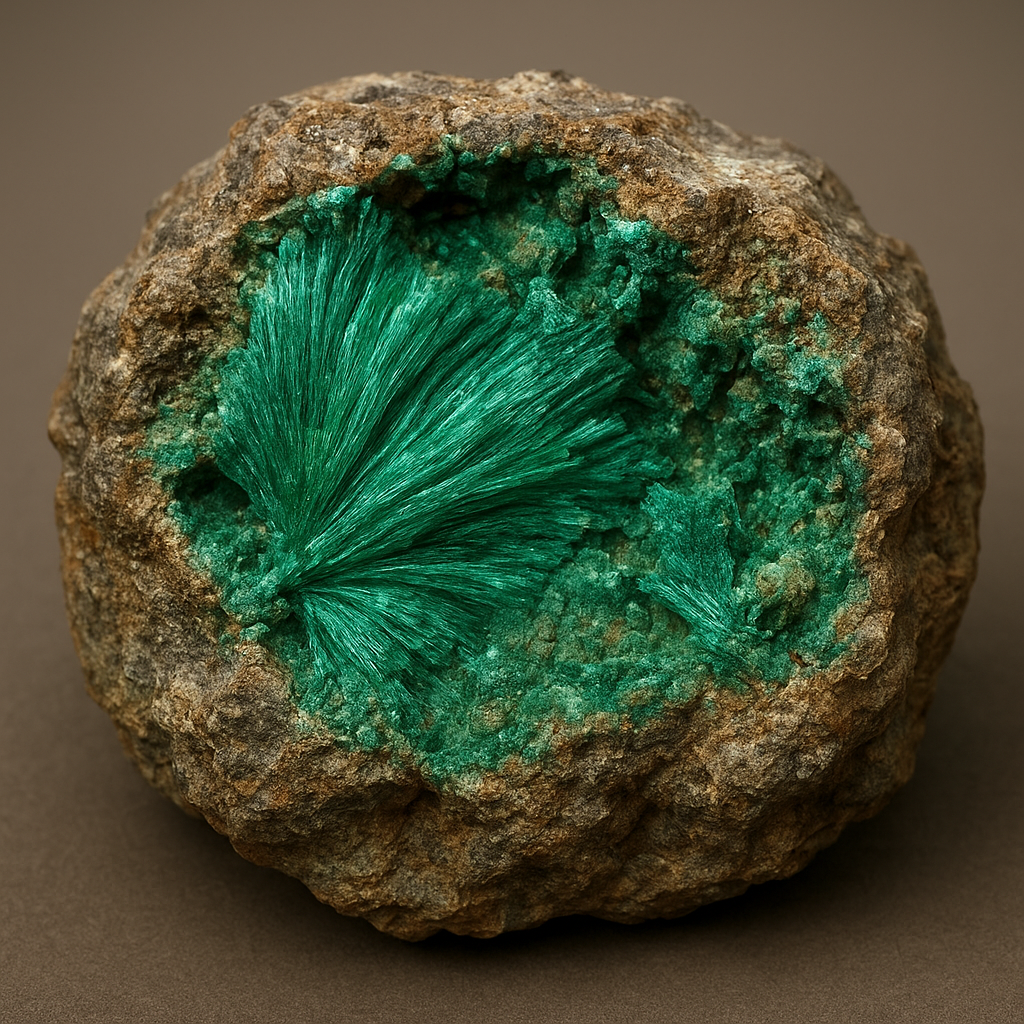
Pseudomalachite is a compelling and often overlooked copper mineral that frequently fools casual observers and even collectors because of its striking resemblance to the more familiar malachite. Although it shares the same verdant palette, this mineral is chemically and structurally distinct, belonging to the family of copper phosphate hydroxides. Its study illuminates the diversity of

Pseudomalachite Read More »