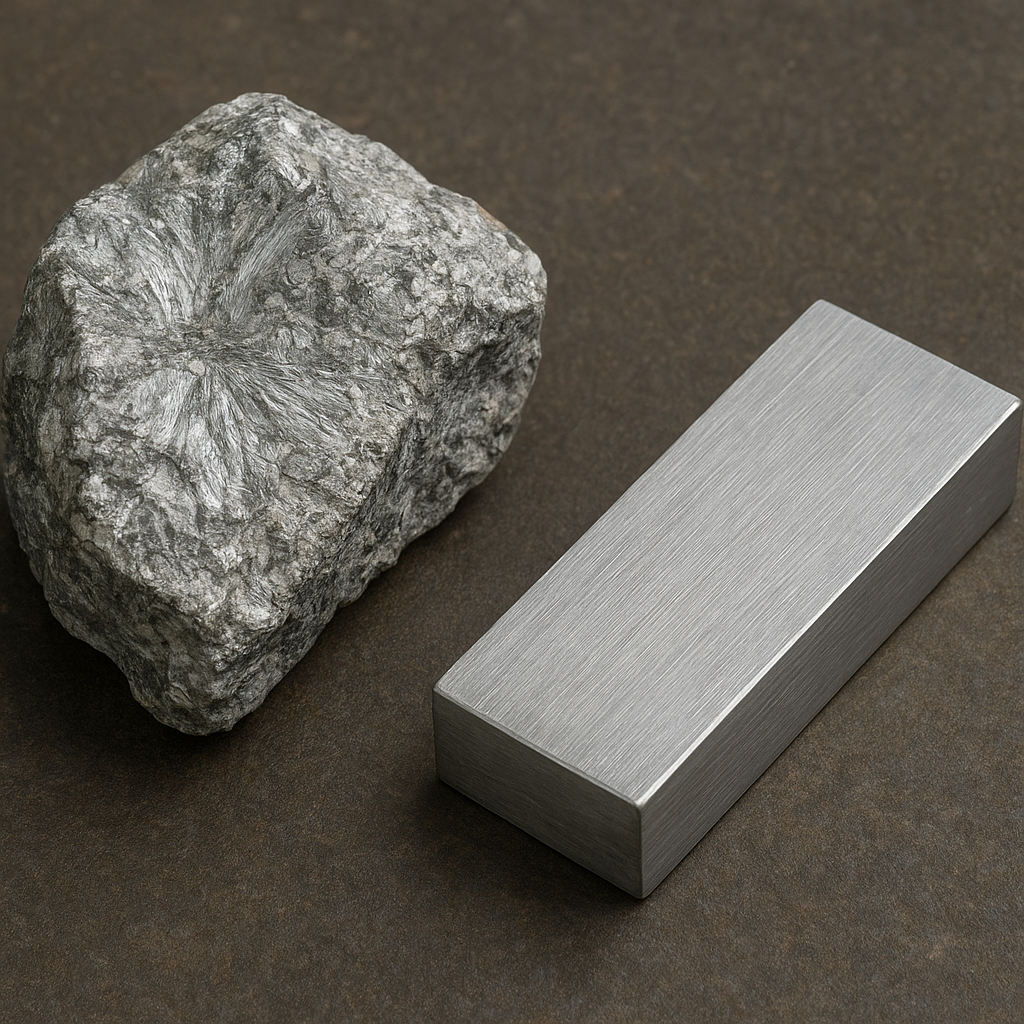
Rare Earth Element
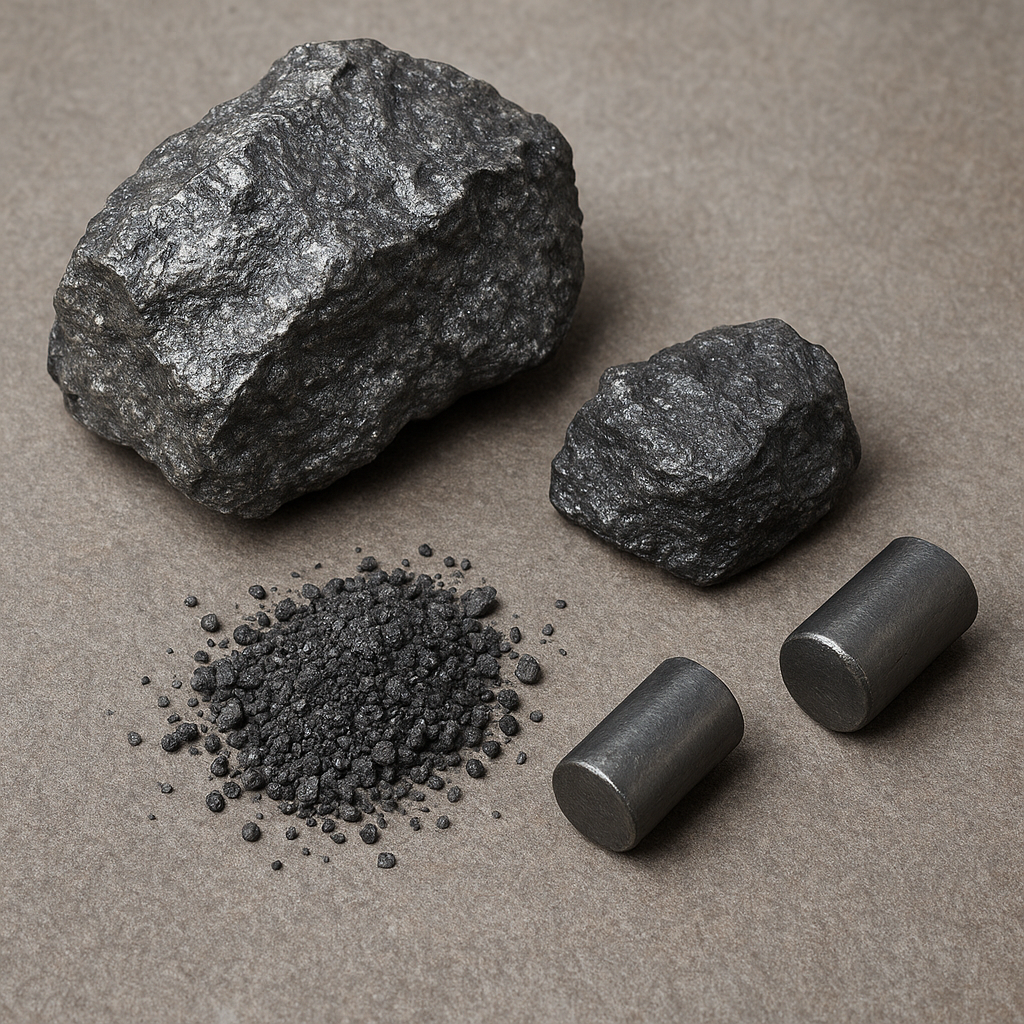
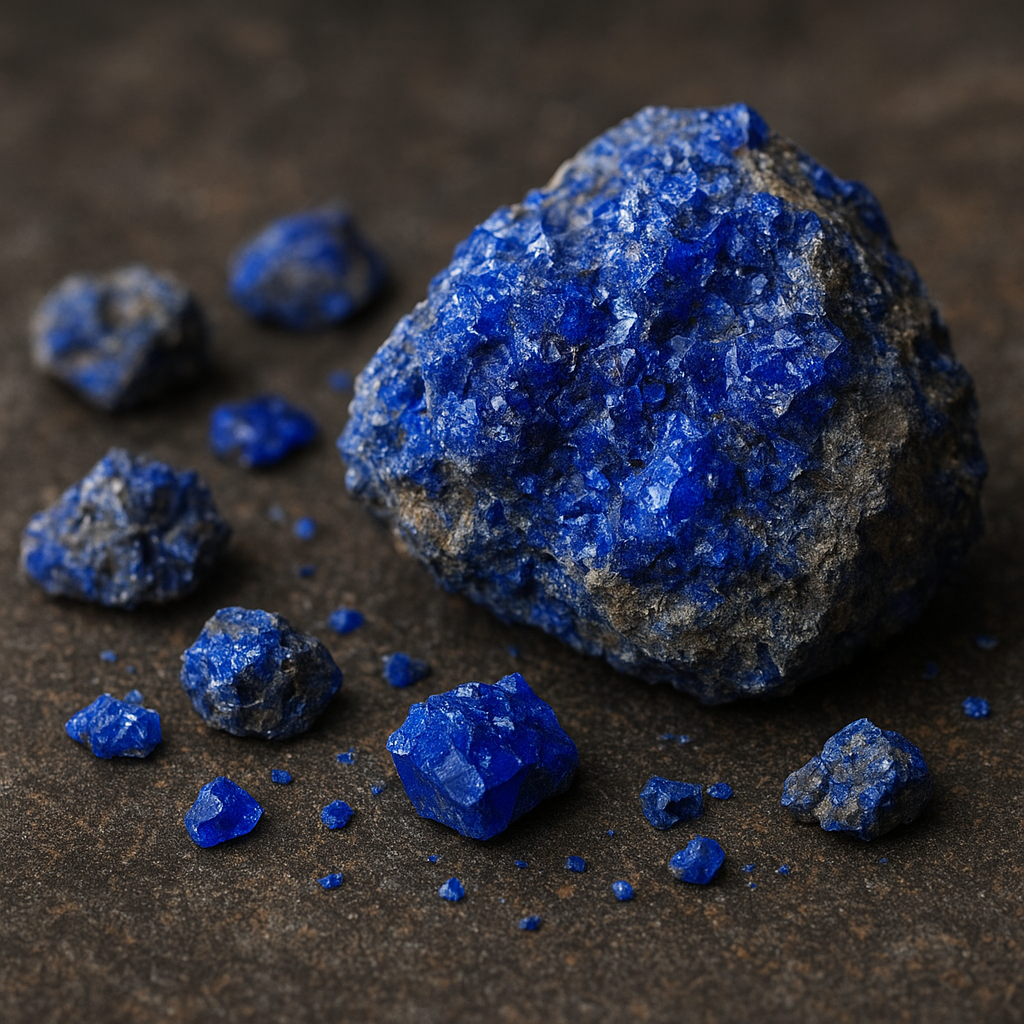
Rare earth elements (REEs) are a group of seventeen chemical elements in the periodic table, specifically the fifteen lanthanides, plus scandium and yttrium. Scandium and yttrium are considered rare earth elements because they tend to occur in the same ore deposits as the lanthanides and exhibit similar chemical properties. Despite their name, most rare earth elements are not particularly rare in the Earth’s crust; however, they are rarely found in concentrated forms, which makes their extraction economically challenging.
The lanthanides are metals that are similar in their properties, including their shininess and reactivity. These elements are key components in a wide range of technological applications due to their unique magnetic, luminescent, and electrochemical properties. They play crucial roles in the manufacture of modern technologies such as smartphones, computers, wind turbines, electric vehicles, and various defense systems. Specific uses include powerful permanent magnets, phosphors in color television and computer screens, catalysts in automotive catalytic converters, and components in rechargeable batteries.
The extraction, refinement, and processing of rare earth elements can be environmentally challenging and technically complex, which has led to concerns about the supply and geopolitical implications of these critical materials. China has been the dominant supplier of rare earth elements, controlling a significant portion of the world’s production and reserves, which has prompted other countries to develop their own REE resources to ensure a stable supply for future technological development.
Titanium is a remarkable metal whose combination of properties has made it indispensable across a wide range of industries. From the deep sea to outer space, and from biomedical implants to everyday pigments, the role of this element extends far beyond its modest appearance. The paragraphs that follow explore the physical nature and geological occurrence […]
Titanium Read More »
Tungsten sits among the most remarkable elements on the periodic table: heavy, resilient, and central to technologies that run from everyday electronics to the most demanding industrial environments. Known by the chemical symbol W and atomic number 74, this metal combines a unique set of physical and chemical properties that make it indispensable in both
Tungsten Read More »
Molybdenum is a transition metal with a unique combination of physical, chemical and biological properties that have shaped its role across industry, science and agriculture. From deep within the Earth’s crust to high-tech laboratories and hospitals, this element plays pivotal roles that are sometimes invisible but often indispensable. This article explores where molybdenum is found
Molybdenum Read More »
Manganese is a transition metal with a wide range of roles across industry, geology, biology, and environmental systems. Its versatility arises from multiple stable oxidation states and its ability to form a diverse set of compounds. The following text explores where manganese is found, how it is extracted and used, its importance to living organisms,
Manganese Read More »
Chromium is a transition element that has shaped modern industry, materials science and even art. Its distinct physical and chemical properties make it indispensable in a wide range of applications, while some of its compounds have inspired both admiration for their vivid colors and concern because of their toxicity. This article explores where chromium is
Chromium Read More »
Cobalt is an element that quietly underpins many modern technologies and ancient practices alike. With a distinctive place on the periodic table and a range of physical and chemical properties that make it both versatile and valuable, cobalt appears in ores, biological systems, industrial alloys, and even medical instruments. This article explores where cobalt is
Cobalt Read More »
Lithium is a small, silvery metal with outsized influence on modern technology, healthcare, and geopolitics. Despite being one of the lightest elements on the periodic table, its chemical properties have made it indispensable in energy storage, pharmaceuticals, and advanced materials. This article explores where lithium is found, how it is extracted and processed, the many
Lithium Read More »
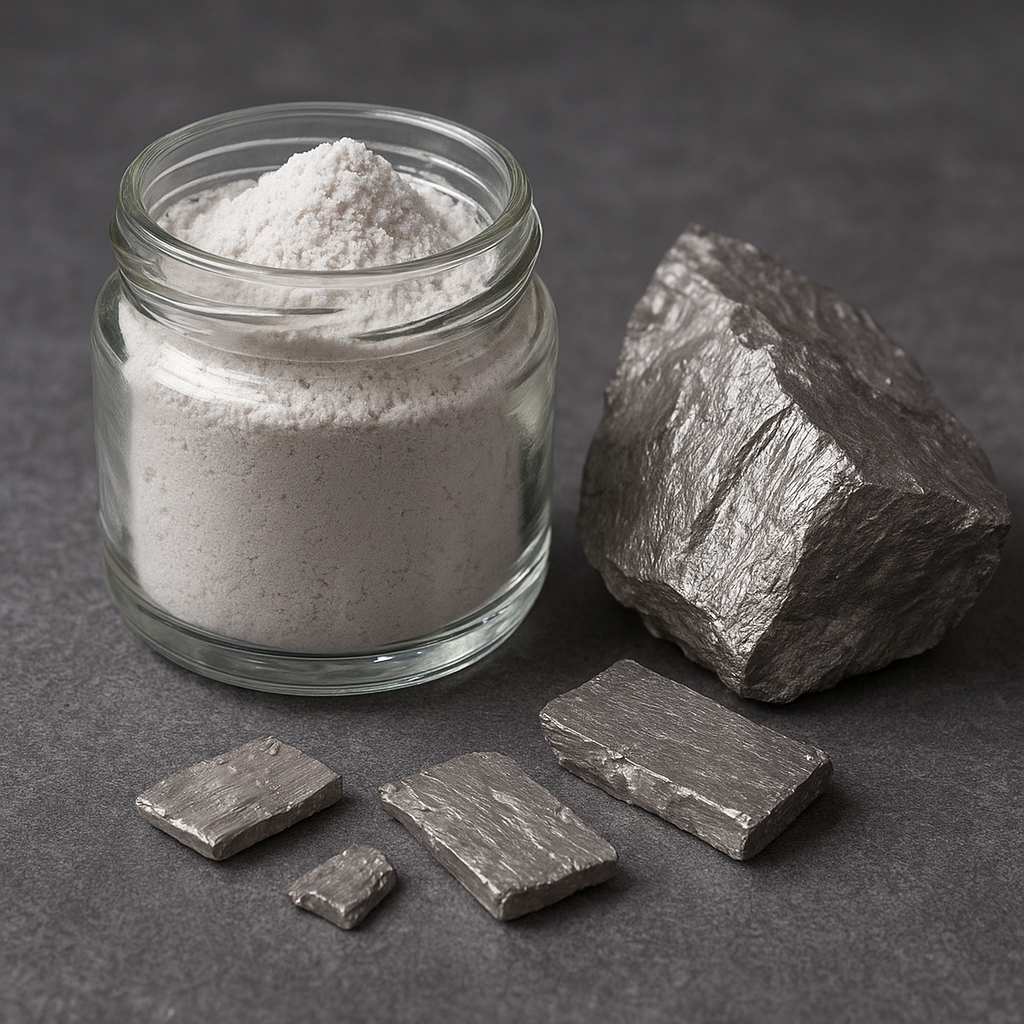
The silvery-gray element discussed below has played diverse roles across civilizations, industries and the environment. It is both a subject of ancient lore and a modern material critical to specific technologies. This article explores its natural occurrence, extraction, chemistry, uses, health and environmental aspects, and a selection of intriguing facts that reflect its enduring relevance.
Antimony Read More »
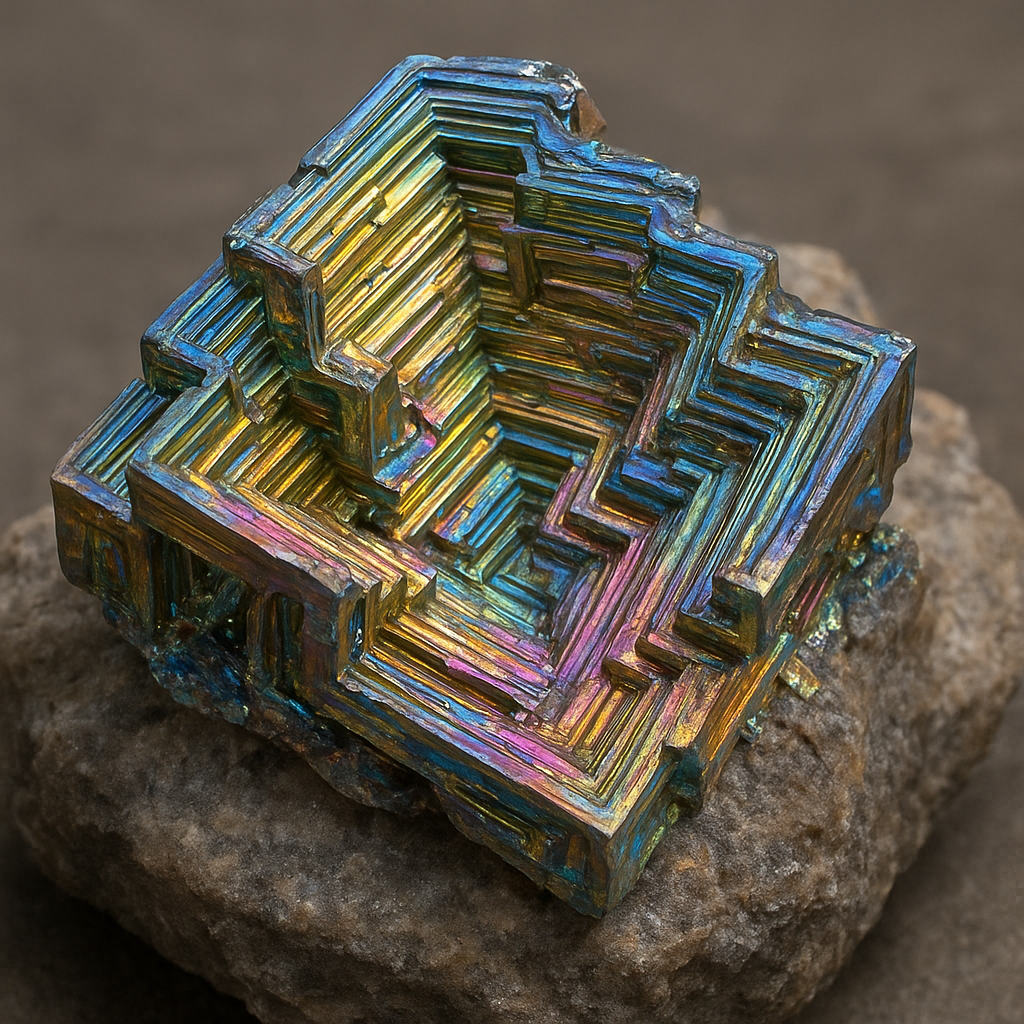
Bismuth is an often-overlooked metal with a combination of properties that make it both scientifically fascinating and increasingly useful across industries. Although it sits near the bottom of the periodic table among the post-transition metals, its unusual physical and chemical behavior, striking crystalline forms and comparatively benign biological profile have driven renewed interest from researchers,
Bismuth Read More »
Beryllium is a small but remarkably influential element that occupies an outsized role in modern technology, science and industry. Light yet stiff, fragile yet resilient under particular conditions, it appears in nature in a handful of minerals and has found its way into specialized alloys, high-performance ceramics and critical components of nuclear and aerospace systems.
Beryllium Read More »