Rare Earth Element
Rare earth elements (REEs) are a group of seventeen chemical elements in the periodic table, specifically the fifteen lanthanides, plus scandium and yttrium. Scandium and yttrium are considered rare earth elements because they tend to occur in the same ore deposits as the lanthanides and exhibit similar chemical properties. Despite their name, most rare earth elements are not particularly rare in the Earth’s crust; however, they are rarely found in concentrated forms, which makes their extraction economically challenging.
The lanthanides are metals that are similar in their properties, including their shininess and reactivity. These elements are key components in a wide range of technological applications due to their unique magnetic, luminescent, and electrochemical properties. They play crucial roles in the manufacture of modern technologies such as smartphones, computers, wind turbines, electric vehicles, and various defense systems. Specific uses include powerful permanent magnets, phosphors in color television and computer screens, catalysts in automotive catalytic converters, and components in rechargeable batteries.
The extraction, refinement, and processing of rare earth elements can be environmentally challenging and technically complex, which has led to concerns about the supply and geopolitical implications of these critical materials. China has been the dominant supplier of rare earth elements, controlling a significant portion of the world’s production and reserves, which has prompted other countries to develop their own REE resources to ensure a stable supply for future technological development.
Seaborgium is one of the most exotic entries in the periodic table: an artificially produced, short-lived element whose existence extends human understanding of nuclear forces, chemistry at the edge of the periodic table, and the effects of relativity on electrons in very heavy atoms. Studies of this element combine painstaking experiments in particle accelerators, rapid […]
Seaborgium Read More »
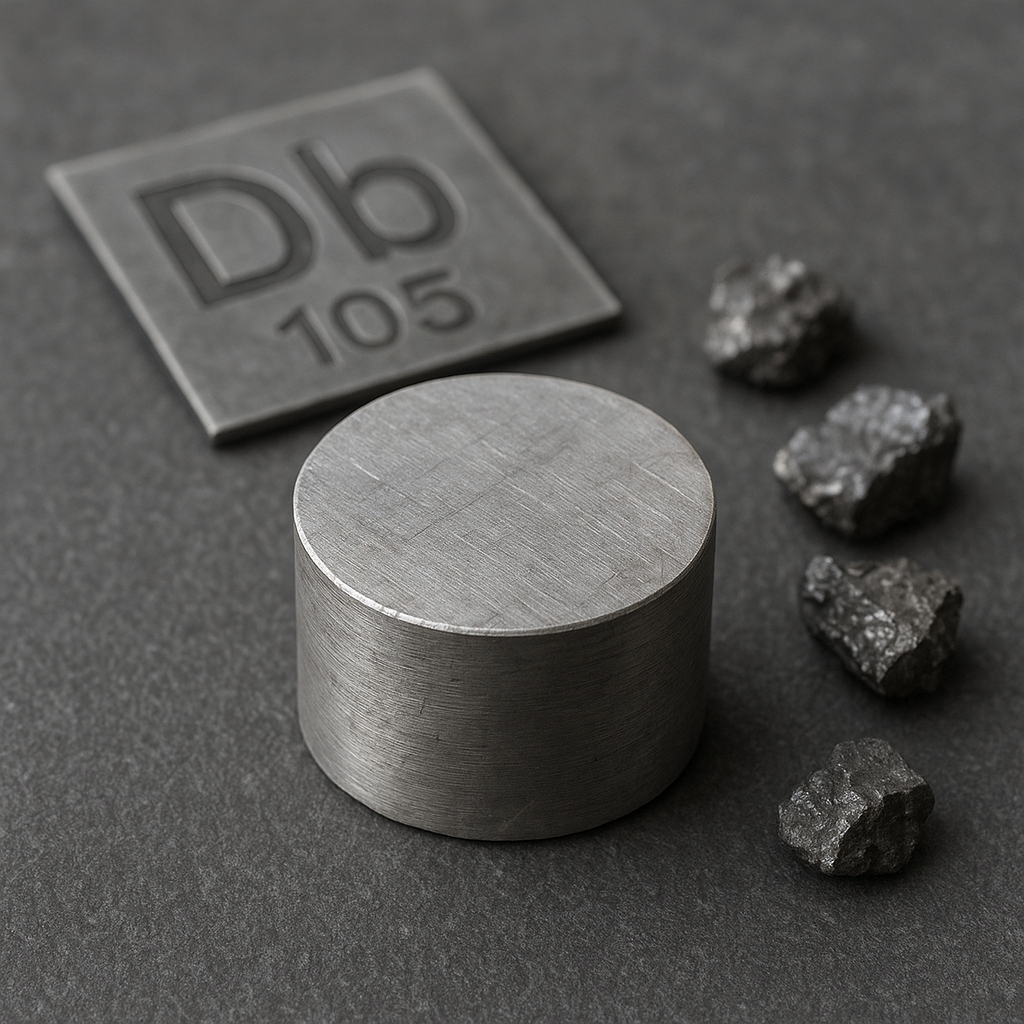
Dubnium is a synthetic, highly radioactive element in the periodic table whose story weaves together experimental ingenuity, international rivalry, and modern theoretical chemistry. Assigned the atomic number element 105 and the chemical symbol Db, dubnium sits among the early members of the heavy transactinide elements. Because it is produced only in minute amounts and decays
Dubnium Read More »
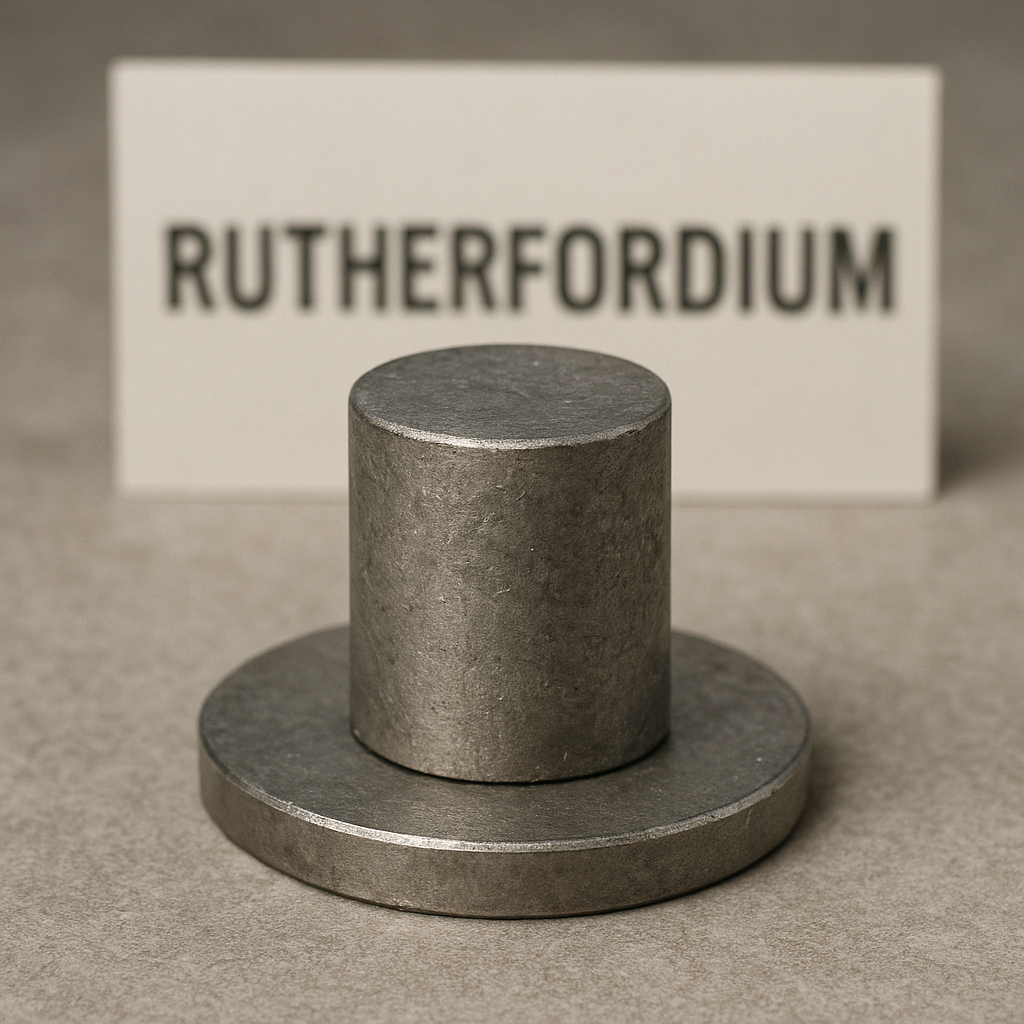
Rutherfordium is one of the most intriguing entries in the periodic table: a short-lived, man-made member of the transition metals whose existence is known only through high-energy experiments and the faint traces of its decays. Although it has no practical industrial uses, the element plays an outsized role in research on nuclear reactions, heavy-element chemistry
Rutherfordium Read More »
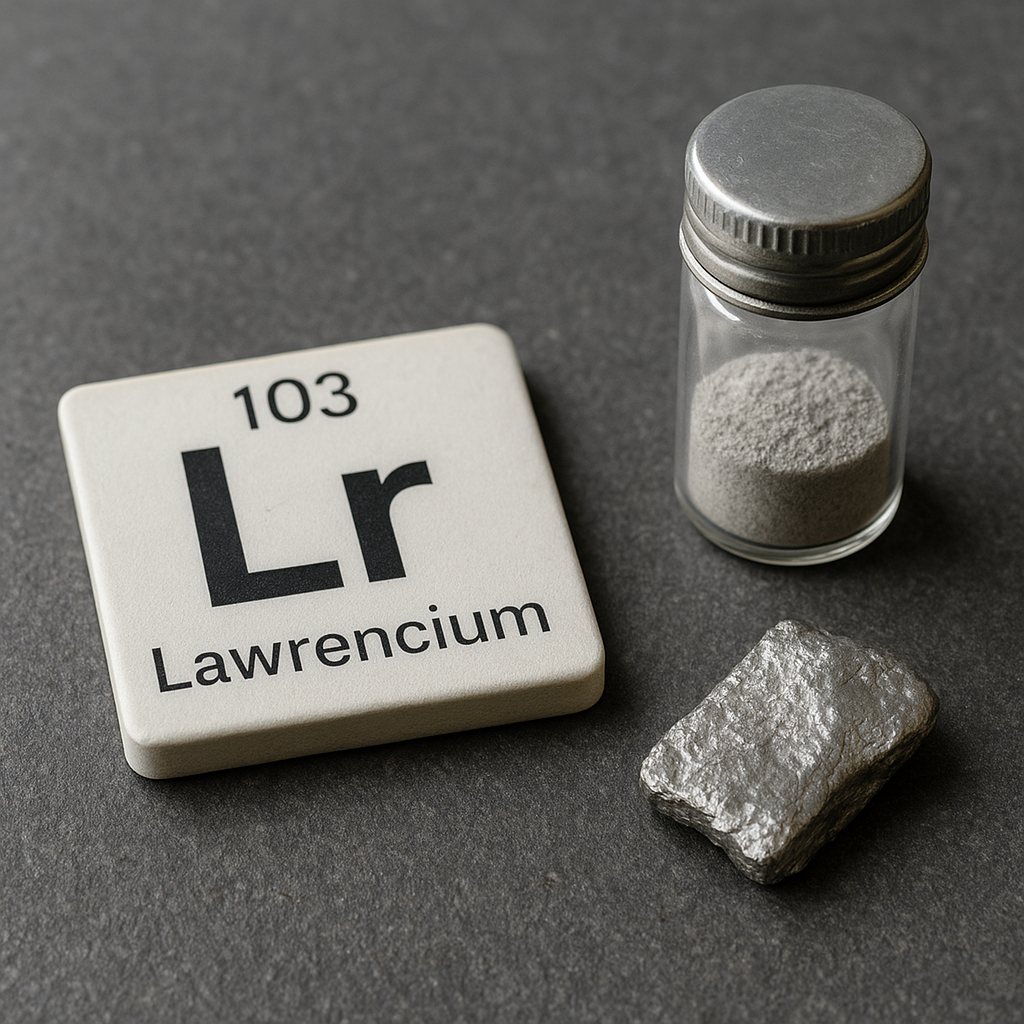
Lawrencium is one of the heaviest and most enigmatic members of the periodic table. With atomic number 103 and the symbol Lr, it sits at the frontier between experimental nuclear physics and advanced theoretical chemistry. Only synthesized in microscopic amounts, lawrencium has played an outsized role in shaping our understanding of how very heavy atoms
Lawrencium Read More »
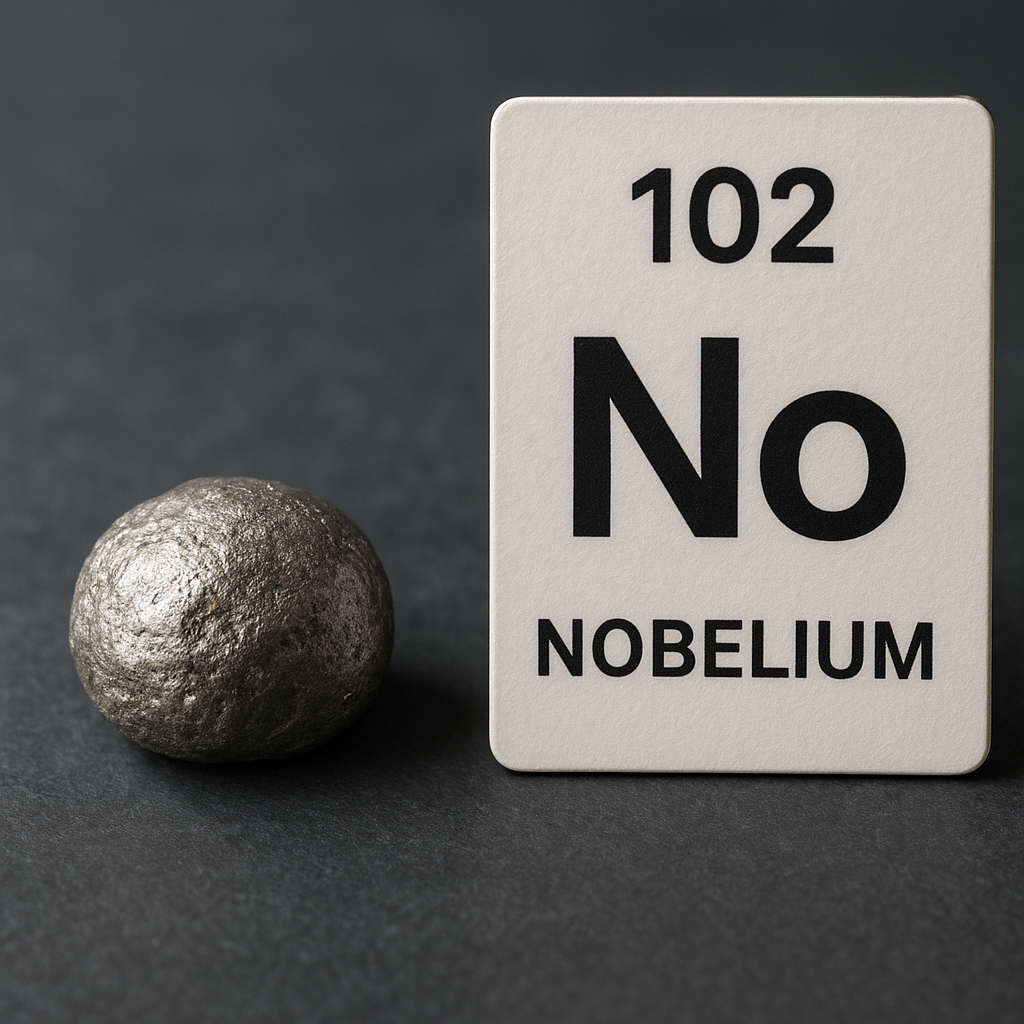
Nobelium is an intriguing member of the heavy elements, occupying a position at the frontier of synthetic chemistry and nuclear physics. As element number 102, it has fascinated researchers because of its placement among the late actinides, its complex production pathways, and the unusual chemical behavior it displays under extreme experimental conditions. This article explores
Nobelium Read More »
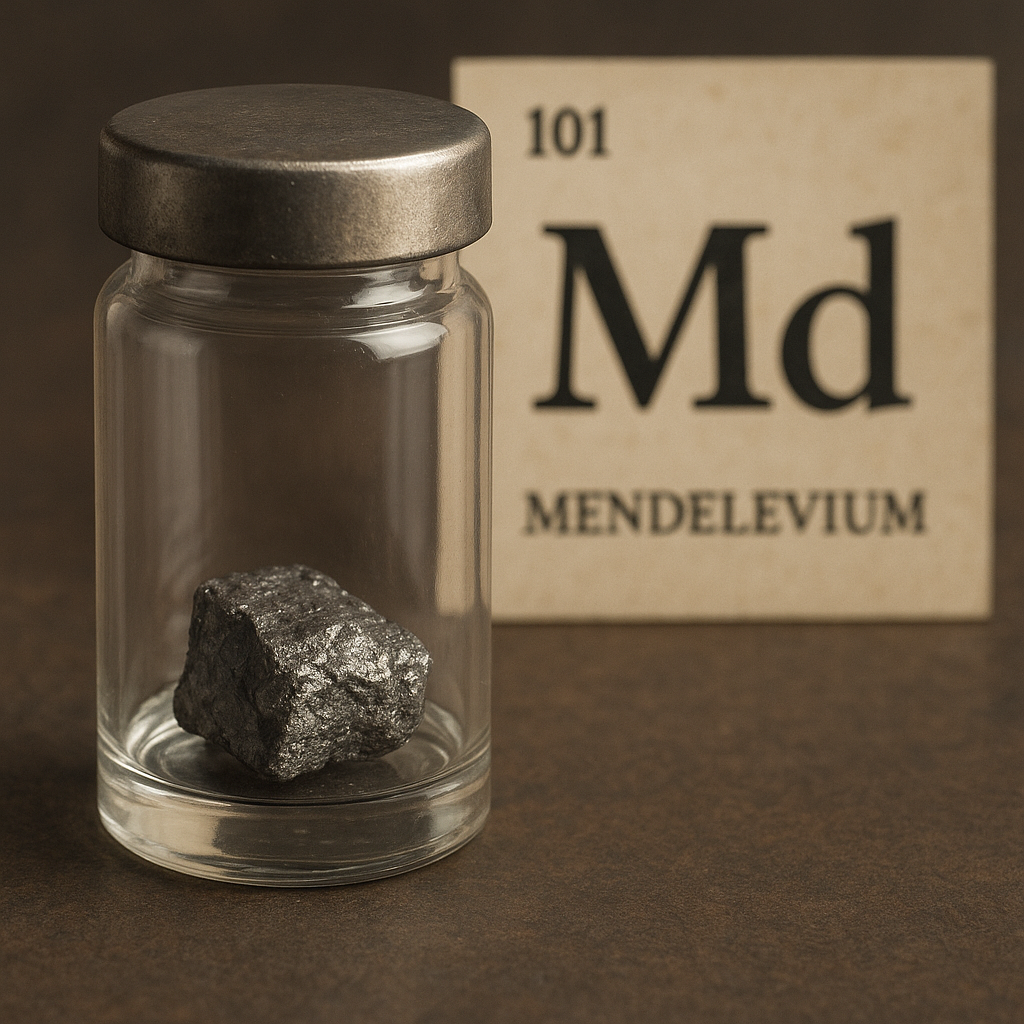
Mendelevium is an element that sits near the end of the actinide series and exemplifies many of the challenges and fascinations of modern nuclear and inorganic chemistry. Although invisible in everyday life, it has played an outsized role in shaping our understanding of heavy-element behavior, the limits of nuclear stability, and the techniques required to
Mendelevium Read More »
Fermium is a member of the heavy elements that fascinate nuclear scientists and chemists alike. This article explores the origins, occurrence, production, and practical significance of Fermium, a rare and intensely radioactive synthetic element officially known as element 100. I will describe where it can be found (and why it is essentially absent from nature),
Fermium Read More »
Einsteinium is one of the more exotic entries in the periodic table: a synthetic, highly radioactive member of the late actinide series that exists only in trace amounts and in the laboratories that can produce and handle it. Its story links the dawn of the thermonuclear age, advanced nuclear reactors, and cutting-edge research in heavy-element
Einsteinium Read More »
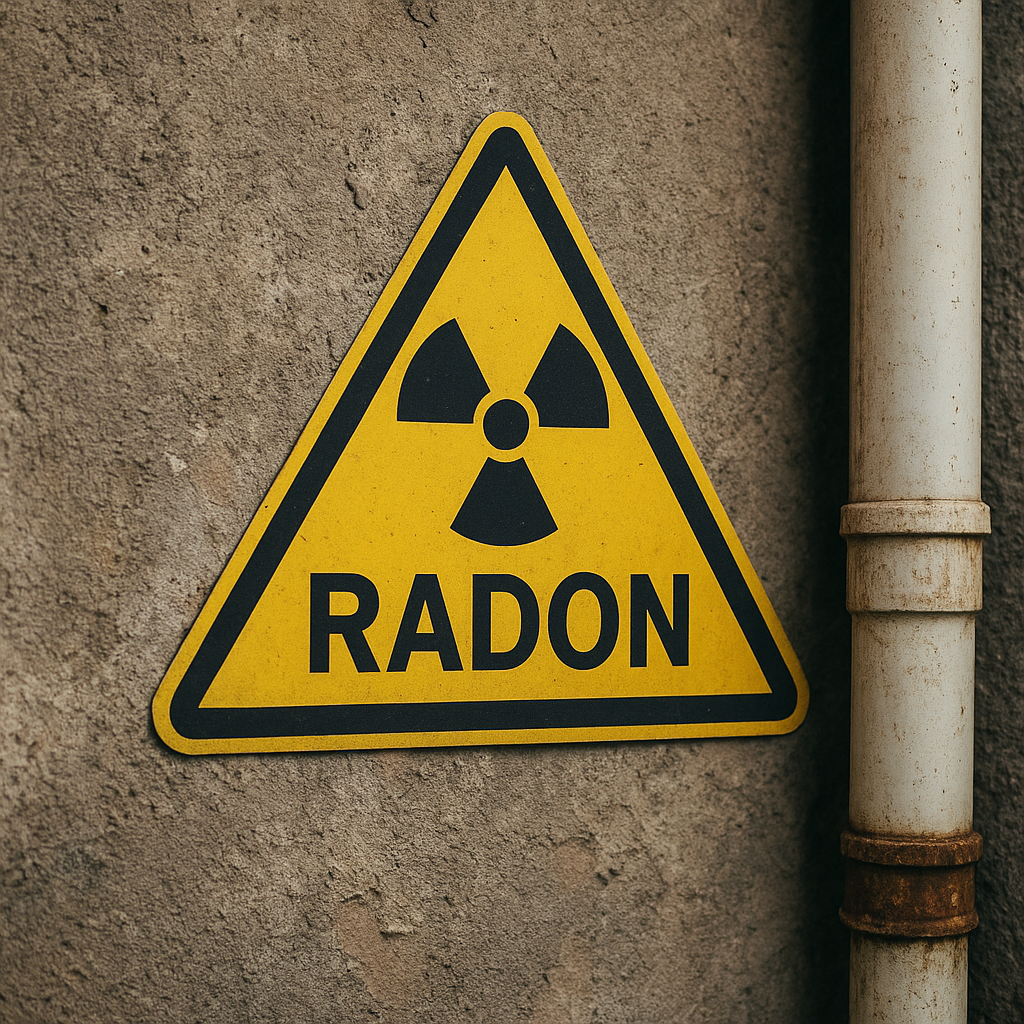
Radon is a subtle but significant presence in the natural world and in our built environment. As an invisible, odorless, and tasteless noble gas that arises from the decay of heavy elements in the Earth’s crust, it quietly affects geology, public health, and even cultural practices. This article explores where radon appears, how it behaves,
Radon Read More »
Francium is one of the most elusive and intriguing elements on the periodic table. As the heaviest naturally occurring member of the alkali metal column, it attracts attention far more for its rarity and extreme radioactivity than for any practical utility. This article explores where francium is found, what makes its chemistry and nuclear behavior
Francium Read More »