Minerals of the World

Platinum

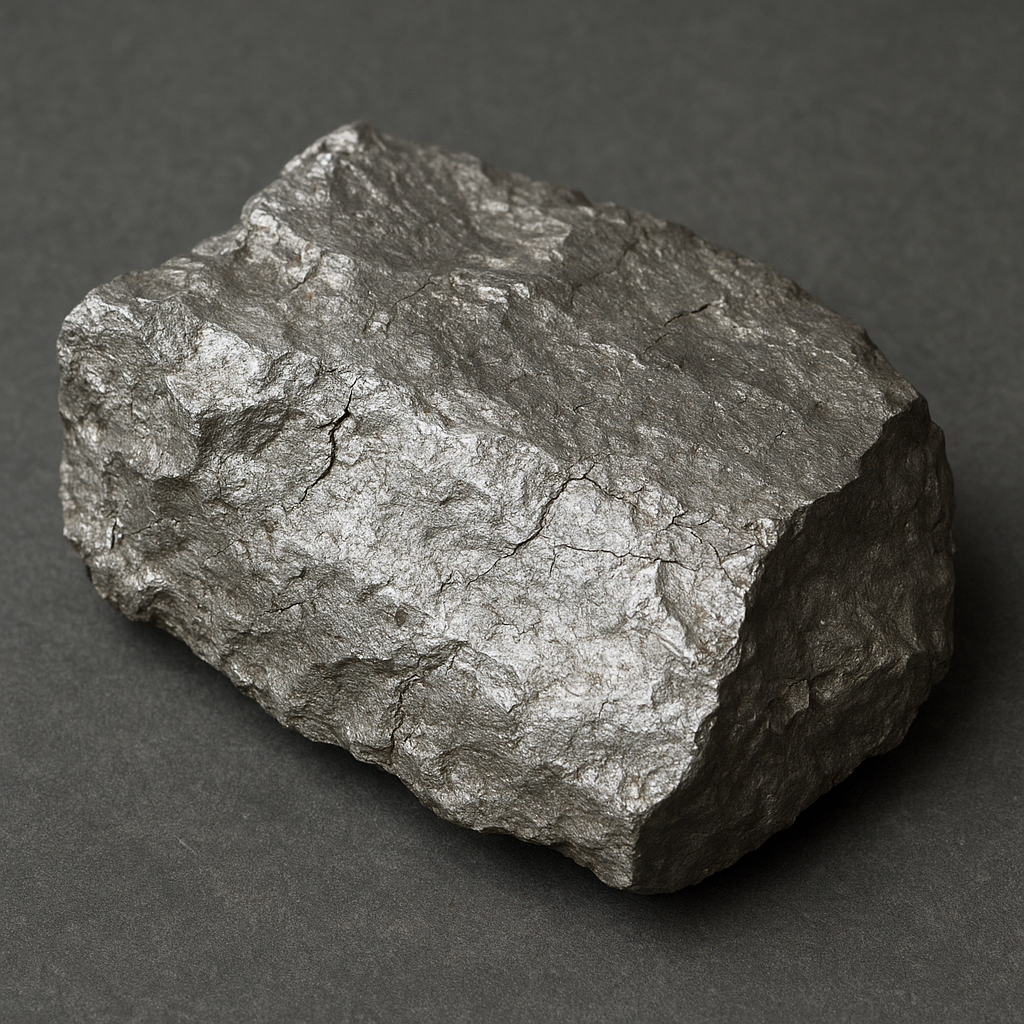
Platinum is a metal of rare beauty and exceptional utility. Distinguished by its pale silvery-white luster and remarkable stability, it occupies a unique place at the intersection of geology, industry, finance and culture. This article explores where platinum is found in nature, how it is extracted and refined, the broad range of its applications, and […]

Platinum Read More »

Thallium

The silvery-gray metal commonly known to chemists and toxicologists as thallium occupies a curious place among the elements: obscure to the general public, essential to certain niche technologies, and infamous because of its potent toxicity. This article explores the natural occurrence, physical and chemical character, practical applications, health and environmental impacts, and the historical and

Thallium Read More »

Boron

Boron is a small but remarkably influential element: a metalloid that sits at the crossroads of chemistry, materials science and technology. It appears in nature in a handful of mineral forms, enters our lives through glass, ceramics, agriculture and electronics, and inspires frontier research ranging from two-dimensional materials to neutron-based cancer therapies. This article surveys

Boron Read More »

Selenium

The element at the crossroads of chemistry, biology and technology carries a name that evokes both ancient myth and modern utility. This article explores the many faces of selenium: where it is found in the Earth and in living systems, how humans extract and apply it across industries, the fascinating physical and chemical properties that

Selenium Read More »

Cadmium

Cadmium is a soft, bluish-white metal known for its unique combination of chemical and physical properties and for the outsized role it has played in industry and environmental health debates. Although naturally present in the Earth’s crust at low concentrations, cadmium becomes problematic when concentrated through mining, smelting, or industrial use. This article explores where

Cadmium Read More »

Barium

Barium sits among the heavier members of the alkaline earth group and attracts attention for its contrasting roles in industry, medicine and the environment. This article explores where barium can be found in nature, how it behaves chemically and physically, the many ways humans extract value from it, and the safety considerations that accompany its

Barium Read More »

Cesium

Cesium is one of the most intriguing elements on the periodic table: soft, highly reactive, and central to technologies that measure time and manipulate the quantum states of atoms. Its chemistry and isotopes link geology, industry, medicine and cutting-edge physics. This article explores where cesium is found, how it is obtained, the many ways humans

Cesium Read More »

Rubidium

Rubidium is an intriguing and versatile element that sits among the alkali metals and quietly supports many modern technologies. Named for the deep red lines seen in its spectrum when it was discovered, rubidium’s physical and chemical traits make it both a challenge to handle and a powerful tool for researchers and engineers. This article

Rubidium Read More »

Strontium

Strontium is an often-overlooked chemical element that quietly influences many aspects of modern life, from the deep history recorded in rocks to the brilliant reds of fireworks. This article explores where strontium is found in nature, how it is processed and used across industry and medicine, and several intriguing scientific and cultural stories connected to

Strontium Read More »

Zirconium

Zirconium is a versatile transition metal whose properties and compounds have shaped technologies from ancient jewelry to modern nuclear reactors. This article explores where it is found, how it is processed, and the many applications that depend on its unique combination of strength, corrosion resistance and chemical behavior. You will also find interesting tangents about

Zirconium Read More »