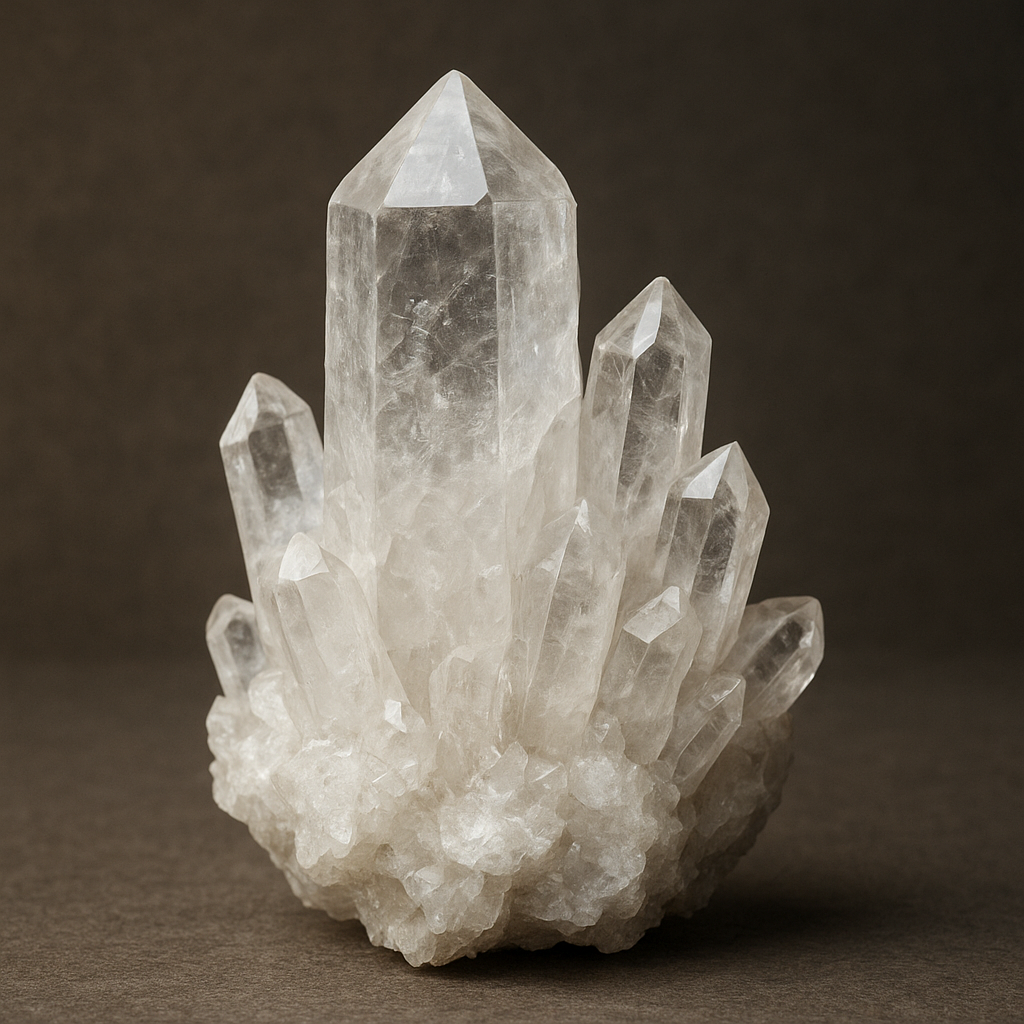

Hidden inside unremarkable rocks, **geodes** are natural treasure chests that reveal dazzling crystal worlds once they are cut open. To the casual observer, they may look like ordinary, lumpy stones scattered across deserts, ancient lava fields or riverbeds, yet their interiors tell **geological** stories that span millions of years. Because they unite science, aesthetics and symbolism in a single object, geodes fascinate not only **geologists**, but also collectors, jewelers, designers and people interested in the subtle influence of stones on human well‑being.
How Geodes Form and Where They Are Found
At the most basic level, a geode is a hollow or partially hollow rock cavity whose inner walls are lined with crystals or mineral layers. Although the definition sounds simple, the processes that give birth to geodes are **complex** and surprisingly diverse. Understanding how they form explains why certain regions of the world are famous for spectacular specimens, while others produce only modest or very rare examples.
From bubbles and cavities to crystal chambers
Many geodes begin as bubbles in molten lava. When volcanic eruptions send lava flows across the landscape, gas trapped in the melt forms rounded voids. As the lava cools and solidifies into **basalt** or related igneous rocks, the gas escapes, leaving empty pockets. These cavities later become perfect micro‑laboratories for slow mineral growth. Groundwater rich in dissolved silica, iron, manganese and other substances seeps into the voids. Over thousands or millions of years, these solutions deposit microscopic layers of crystals on the cavity walls. With time, the layers build up into fully formed quartz, amethyst or other mineral structures that coat the inside of the rock like a glittering carpet.
Geodes can also form in **sedimentary** rocks such as limestone or dolomite. In this setting, small cavities are created by the dissolution of fossils, nodules of anhydrite or other soluble materials. Once these spaces are available, mineral‑bearing fluids circulate through the permeable rock and start line by line to fill the void with crystals. The outer shell remains relatively plain and weathered, while the inside becomes a protected, pristine environment that preserves delicate crystal shapes in remarkable detail.
Chemistry and color inside the geode
The chemistry of the circulating fluids and the physical conditions inside the cavity largely determine what type of crystals form and what colors they show. The most widespread mineral found in geodes is **quartz**, which can occur in many varieties. Colorless rock crystal, milky quartz, smoky quartz and the violet variety known as **amethyst** are among the most common. If iron is present in certain oxidation states, it can produce warm yellow, brown or orange tones, sometimes turning quartz into citrine or giving amethyst a reddish tint. Manganese, titanium and other trace elements add subtle variations, creating delicate and often unique color patterns in each geode.
In some regions, layers of microcrystalline quartz known as **agate** form concentric bands inside the cavity. These bands may alternate between translucent and opaque zones and can display shades ranging from white and gray to pink, blue, green or even nearly black. The interplay between agate layers and crystal clusters gives many geodes a rich, three‑dimensional texture when they are sliced and polished. Additional minerals such as calcite, celestite, fluorite or goethite sometimes appear alongside quartz, adding visual diversity and making certain localities especially sought after by collectors.
Global hotspots for geode formation
Because geodes require both cavities and the slow circulation of mineral‑charged fluids, they are most common in areas with volcanic rocks or soluble sedimentary layers combined with active groundwater systems. Some regions have become internationally known for their abundant or unusually beautiful geodes.
In parts of North and South America, extensive basalt flows host countless geode‑bearing cavities. Fields in the American Midwest, particularly in Iowa, Illinois and Missouri, are famous for weathered geodes that erode out of stream banks and slopes. In Brazil and Uruguay, spectacular amethyst geodes form within large basalt formations. Miners occasionally uncover giant chambers lined with deep purple crystals, some large enough for a person to stand inside. These massive geodes, often weighing several tons, are cut into halves or segments and shipped worldwide for use in galleries, hotels and private collections.
In Europe, volcanic regions and old sedimentary basins also produce notable geodes. Spain, Germany and the Czech Republic offer agate‑lined geodes with striking banding and color contrasts. In North Africa and Madagascar, geode‑like nodules filled with quartz, chalcedony or celestite are extracted from layered rocks and transported to lapidary workshops. Each locality leaves a distinct chemical “signature” on its geodes, making it possible for experienced experts to identify the origin of many specimens based on color, crystal habit and mineral associations.
Geodes in Science, Industry and Design
While geodes are often associated with decorative objects and crystal shops, their significance extends well beyond ornament. They function as natural laboratories for understanding mineral growth, fluid movement through rock and the thermal history of a region. At the same time, their aesthetic and physical properties give them a range of practical applications that connect the worlds of science, craft and commercial design.
Scientific windows into underground processes
From a scientific perspective, the interior of a geode is a frozen record of changing environmental conditions. Each thin layer of agate or generation of crystal growth represents a specific episode in the history of the cavity. By studying the orientation, inclusion patterns and trace‑element compositions of these layers, researchers can reconstruct how **hydrothermal** fluids evolved over time. They can also estimate temperatures and pressures at which crystals formed, offering clues to the broader geological processes that shaped a region.
Fluid inclusions, tiny pockets of trapped liquid or gas within crystals, are especially valuable. When geodes are carefully opened and analyzed, inclusions may contain ancient water or gases preserved for millions of years. These sealed micro‑environments help scientists understand the chemistry of past underground waters, including their salinity and dissolved components. Such data contribute to models of ore deposit formation, groundwater movement and even long‑term climate influences on rock alteration.
Geodes also illustrate fundamental principles of crystal growth, such as nucleation, supersaturation and competition for space. Quartz and related minerals often form pointed terminations that grow towards the center of the cavity, showing how growth slows as space becomes limited and solution chemistry fluctuates. These natural examples inspire laboratory experiments and help crystallographers refine theories that are relevant not only to mineralogy but also to materials science and industrial crystal production.
Geodes as raw material and industrial resource
Although large geodes are primarily valued for their decorative appearance, smaller or more common specimens can serve as a raw material for various industrial and commercial products. The silica content of quartz‑rich geodes makes them useful feedstock for certain glass and ceramic applications, though in modern industry, more uniform sources of silica are usually preferred. In some regions, however, geode‑bearing rocks are quarried as aggregate or crushed stone for construction, road building and landscaping, with occasional attractive geodes set aside for sale.
The lapidary industry uses geodes extensively. Craftspeople slice them into thin cross sections that reveal internal patterns, which are then polished to a high gloss. These slices become coasters, bookends, lamp bases, **tabletops** or components in inlay work for furniture. When properly sealed and mounted, agate slices from geodes transmit soft, colored light and are used in decorative panels, window inserts and back‑lit displays. Their combination of durability, translucency and natural patterning makes them especially attractive in interiors that blend natural elements with contemporary design.
Fragments of attractive geodes may also be tumbled and polished to produce small cabochons and beads. These are incorporated into jewelry, from simple necklaces and bracelets to complex artistic pieces that highlight unique banding or drusy surfaces. In some cases, the inner crystal surfaces of geodes, covered with tiny sparkling points known as druse, are left intact and set directly as pendants or earrings. This approach maintains the “natural” appearance while still offering a refined finish suitable for everyday wear.
Architecture, interior design and artistic expression
In modern architecture and high‑end interior design, geodes have taken on a role that goes beyond small decorative items. Entire walls or large panels can be faced with slices of geodes arranged in **mosaic** patterns. When back‑lit, such installations create luminous surfaces that shift in appearance throughout the day. The irregular, organic shapes contrast with straight architectural lines, adding depth and a sense of geological time to contemporary spaces.
Some designers incorporate large, intact geodes into feature pieces such as sculptural lamps, reception desks or freestanding partitions. The rough exterior is often preserved, while the polished interior faces outward to display crystal formations. In luxury spas and wellness centers, amethyst or quartz geodes sometimes appear as focal elements in relaxation rooms and meditation spaces. Even in more modest homes, small geodes placed on shelves, desks or windowsills serve as subtle reminders of natural beauty and deep time.
Artists inspired by geodes may use them as starting points for paintings, photographs or multimedia installations. The complex interplay of color, geometry and texture inside the stone provides countless abstract compositions. Some creators go further, combining geode slices with metals, glass or resin to produce hybrid works that blur the boundary between natural object and human craftsmanship. In this way, geodes continue to bridge geological processes and cultural expression.
Symbolic, Cultural and Metaphysical Dimensions of Geodes
Beyond their scientific and material value, geodes have long stimulated the human imagination. Humans are naturally drawn to objects that hide a surprising interior beneath a plain exterior, and geodes exemplify this contrast perfectly. They appear as rough, often unattractive stones on the outside, yet reveal a delicate world of crystals when opened. This duality has fed myths, symbolic interpretations and metaphysical uses across different cultures.
From ancient curiosity to collector’s centerpiece
Long before the development of modern geology, people living near geode‑bearing deposits discovered that some ordinary rocks held sparkling secrets. Breaking open these stones must have felt like encountering a hidden gift from the earth, and it is easy to imagine early reactions of **wonder** and speculation. In various cultures, unusual crystalline stones were seen as signs of divine favor, protective talismans or repositories of mysterious energies. While historical documentation for specific geodes is limited, their resemblance to other crystal‑filled nodules suggests they were likely cherished and traded as curiosities.
In the era of cabinets of curiosity and early natural history collections, geodes became popular items among scholars, aristocrats and travelers. Their ability to demonstrate crystal forms, mineral diversity and internal layering made them ideal teaching tools. Because each specimen is unique, collectors often treat geodes like works of natural art, building themed collections based on locality, mineral type, color palette or internal structure. Large geodes with unusual formations or rare mineral combinations can achieve high prices at auctions and specialized mineral fairs.
Today, even people with little formal interest in mineralogy are drawn to geodes as decorative objects and conversation pieces. Children often encounter them at science museums, gift shops or school events, where the simple act of cracking open a small geode can ignite a lasting interest in rocks, **fossils** and the natural world. This educational and emotional role, while intangible, is an important part of the cultural impact of geodes.
Modern metaphysical and wellness perspectives
In contemporary metaphysical and holistic communities, geodes are frequently viewed as more than attractive stones. They are believed by many to influence mood, focus or spiritual growth. While these effects cannot be demonstrated by conventional scientific studies, the symbolic and psychological aspects are meaningful to numerous practitioners and enthusiasts.
Geodes are often associated with inner potential and hidden strength, reflecting the contrast between their rough exterior and radiant interior. Amethyst geodes, in particular, are linked in many belief systems with **clarity**, protection and emotional balance. People place them in meditation areas, therapy rooms or bedrooms, intending to cultivate a sense of calm and introspection. The hollow structure is said to amplify or gently diffuse energy, making geodes popular as supports during mindfulness practices or group gatherings centered around intention setting.
In crystal‑based wellness approaches, different geode types are assigned specific attributes. Quartz geodes may be described as general “harmonizers,” while agate‑lined geodes are sometimes recommended for stability and grounding. Celestite‑filled cavities, with their pale blue crystals, are associated with communication and serenity. Whether or not one accepts these interpretations literally, the act of choosing and caring for a geode can itself be an intentional ritual that encourages reflection and self‑awareness. The stone becomes a physical anchor for personal narratives and aspirations.
Ethical considerations and sustainable appreciation
The growing popularity of geodes in wellness, design and collecting brings with it questions about responsible sourcing and environmental impact. Extracting geodes often involves quarrying or targeted mining in sensitive landscapes. Without careful regulation and best practices, these activities can lead to habitat disruption, soil erosion and unsafe working conditions for local communities. Conscious consumers and professionals increasingly seek information about where and how their geodes were obtained.
Ethically oriented suppliers aim to ensure fair wages, safe extraction techniques and minimal ecological damage. Some work directly with small local operations, promoting transparency and long‑term cooperation rather than short‑term exploitation. Buyers can support these efforts by asking about origin, favoring companies that provide clear documentation and avoiding products that show signs of aggressive, unregulated mining. Reclaimed or second‑hand geodes, acquired through auctions, estate sales or vintage markets, offer another way to enjoy these stones without driving new extraction.
Education plays an important role in sustainable appreciation. When people understand that a single geode may have taken millions of years to form, they are more likely to view it not simply as a fashionable accessory but as a finite and precious record of the planet’s history. This perspective can inspire more deliberate choices, from purchasing fewer but better‑documented specimens to using them in ways that emphasize longevity and care rather than short‑lived trends.
Taken together, the scientific, artistic and symbolic dimensions of geodes explain why these unassuming stones have captivated human attention for centuries. Their quiet exterior conceals crystal landscapes formed through the slow choreography of minerals, water and time. Whether admired under a microscope, displayed in a museum, integrated into a modern interior or held in the hand during a moment of reflection, geodes offer a tangible connection between **deep** geological processes and the intimate scale of human experience.